Tag: The Benefits of Solar Energy

  • The Future of Renewable Energy: How Solar Power Is Leading the Charge

    The Future of Renewable Energy: How Solar Power Is Leading the Charge

    Solar power is a form of renewable energy that has been gaining popularity in recent years. It involves harnessing the sun’s energy and converting it into electricity using solar panels. But what makes solar power so special, and why is it becoming an increasingly popular choice for homeowners and businesses alike? Let’s take a closer look at this incredible source of clean energy.

    Introduction to Solar Power: How It Works and Why It’s Important

    Solar panels are made up of photovoltaic cells that convert sunlight into direct current (DC) electricity. This DC electricity then passes through an inverter, which converts it into alternating current (AC) electricity that can be used to power your home or business. The best part about solar power is that it produces no greenhouse gas emissions, making it a clean and sustainable source of energy.

    The Benefits of Solar Energy: From Lower Bills to a Cleaner Planet

    One of the most obvious benefits of solar power is that it can help you save money on your energy bills. By generating your own electricity, you rely less on traditional utility companies, which means lower monthly bills. Additionally, solar power reduces our reliance on fossil fuels, which not only helps reduce carbon emissions but also decreases our dependence on foreign oil.

    Common Misconceptions About Solar Panels Debunked

    Many people believe that solar panels require constant maintenance or that they don’t work well in cloudy weather. However, these beliefs couldn’t be further from the truth. In reality, solar panels are designed to withstand all types of weather conditions, including rain, snow, and even hail. And while they do need to be cleaned occasionally, maintenance requirements are minimal.

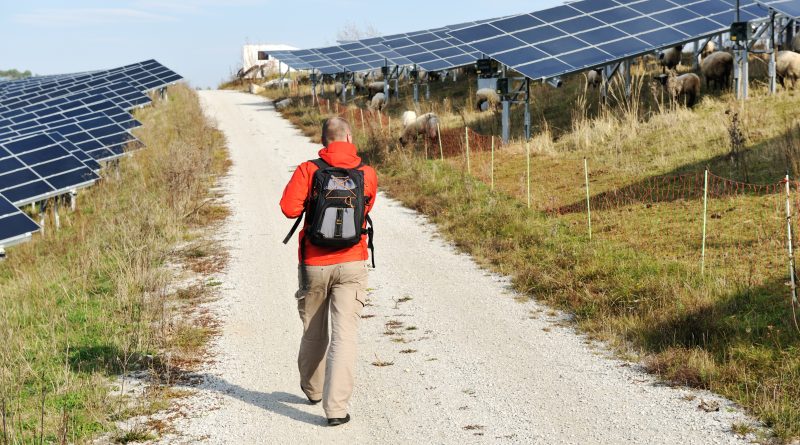
    man walking on a countryside road with solar panels BYSI2jpri scaled

    Innovations in Solar Technology: What the Future Holds for Renewable Energy

    As technology continues to advance, we’re seeing new innovations in solar energy that promise to make it even more efficient and cost-effective. One example is thin-film solar panels, which use less silicon than traditional panels and can be applied to a variety of surfaces, including roof tiles and windows. Another promising development is floating solar arrays, which allow us to utilize previously unused bodies of water as sources of solar power.

    Conclusion: Why Solar Power Is the Key to a Sustainable Tomorrow

    Solar power offers numerous benefits, from reducing our carbon footprint to saving money on energy bills. As technology continues to improve, we’re likely to see even greater advancements in solar energy, making it an increasingly viable option for homes and businesses around the world. If we want to create a sustainable tomorrow, investing in renewable energy sources like solar power is essential.

  • The Future of Renewable Energy: How Solar Power Is Leading the Charge

    The Future of Renewable Energy: How Solar Power Is Leading the Charge

    Solar power is one of the most promising forms of renewable energy, and it’s easy to see why. Not only does solar power offer a clean and sustainable source of electricity, but it also has the potential to revolutionize the way we power our homes and businesses. In this blog post, we’ll explore everything you need to know about solar power, from how it works to its many benefits and innovative technologies that are shaping the future of renewable energy.

    Introduction to Solar Power: How It Works and Why It’s Important

    Solar panels work by converting sunlight into usable electricity through photovoltaic cells. These cells are made up of layers of silicon, which absorb photons from the sun and release electrons, creating an electrical current. This current can then be used to power your home or business, reducing your reliance on fossil fuels and lowering your carbon footprint.

    The Benefits of Solar Energy: From Lower Bills to a Cleaner Planet

    One of the biggest advantages of solar power is its ability to reduce energy bills over time. While there may be some initial costs associated with installing solar panels, once they’re installed, you’ll be generating free electricity from the sun. Additionally, solar power produces no greenhouse gas emissions, making it a cleaner and more environmentally friendly option than traditional sources of energy like coal or natural gas.

    Common Misconceptions About Solar Panels Debunked

    Despite the many benefits of solar power, there are still some common misconceptions about solar panels that persist. One of the most prevalent myths is that solar panels don’t work in cloudy weather or at night. While it’s true that solar panels generate less electricity when there’s less sunlight available, modern solar systems are designed to store excess energy during peak hours for use later. Another misconception is that solar panels require frequent maintenance or repairs. In reality, solar panels are incredibly durable and require very little maintenance beyond occasional cleaning.

    electricity generating solar energy panels BFZCTa6Ns 2 scaled

    Innovations in Solar Technology: What’s Next for Renewable Energy

    As technology continues to advance, so too do the possibilities for solar power. Some of the latest innovations in solar include flexible and lightweight solar panels that can be rolled up like a rug, as well as floating solar arrays that can be deployed on bodies of water. There’s even research being done into using artificial photosynthesis to convert sunlight directly into fuel, offering yet another exciting possibility for renewable energy.

    Conclusion: How You Can Get Started with Solar Power Today

    If you’re interested in exploring solar power for your own home or business, there are plenty of resources available to help get started. Many states now offer tax credits and other incentives for residents who install solar panels, making it easier than ever to make the switch to renewable energy. Whether you choose to go solar yourself or simply learn more about the benefits of solar power, one thing is clear: solar energy is leading the charge towards a brighter, cleaner future.

  • The Future of Renewable Energy: How Solar Power Is Leading the Charge

    The Future of Renewable Energy: How Solar Power Is Leading the Charge

    Solar power is a form of renewable energy that has been gaining popularity in recent years. It involves harnessing the sun’s energy and converting it into electricity using solar panels. But what makes solar power so special, and why is it becoming an increasingly popular choice for homeowners and businesses alike? Let’s take a closer look at this incredible source of clean energy.

    Introduction to Solar Power: How It Works and Why It’s Important

    Solar panels are made up of photovoltaic cells that convert sunlight into direct current (DC) electricity. This DC electricity then passes through an inverter, which converts it into alternating current (AC) electricity that can be used to power your home or business. The best part about solar power is that it produces no greenhouse gas emissions, making it a clean and sustainable source of energy.

    The Benefits of Solar Energy: From Lower Bills to a Cleaner Planet

    One of the biggest benefits of solar power is its ability to lower utility bills. By generating your own electricity from the sun, you can reduce your reliance on traditional fossil fuels and save money on your monthly energy bills. Additionally, solar power helps to reduce carbon emissions and combat climate change by producing clean energy. With more people turning to solar power, we can create a cleaner planet for future generations.

    Common Misconceptions About Solar Panels Debunked

    There are many misconceptions about solar panels that prevent people from investing in them. One common myth is that they don’t work well in cloudy weather. While solar panels do produce less energy when there is less sunlight available, they still generate some electricity even under cloudy skies. Another myth is that solar panels require constant maintenance. In reality, once installed, solar panels require very little maintenance and can last for decades.

    Innovations in Solar Technology: What’s Next for Renewable Energy

    As technology continues to advance, new innovations in solar power are emerging. For example, researchers are working on developing transparent solar panels that could be used as windows or roof tiles. These would allow buildings to generate their own electricity while also providing natural light and heat. Other advancements include floating solar farms and solar-powered cars. As these technologies continue to evolve, we will see even greater adoption of solar power around the world.

    Conclusion: Why Solar Power Is the Future of Sustainability

    With all of the benefits of solar power, it’s clear why it’s becoming such a popular option for homeowners and businesses alike. Not only does it help to reduce our impact on the environment, but it also saves us money on our energy bills over time. And with continued advances in solar technology, we can expect to see even greater adoption of this clean and sustainable source of energy in the coming years. So if you’re looking for a way to reduce your carbon footprint and save money on your energy bills, consider going solar today.

    wind turbine

  • The Future of Renewable Energy: How Solar Power Is Leading the Charge

    The Future of Renewable Energy: How Solar Power Is Leading the Charge

    Solar power is no longer a futuristic dream. It’s a reality that’s changing the way we generate electricity and reducing our reliance on fossil fuels. As concerns about climate change mount, solar energy has become an increasingly popular choice for homeowners, businesses, and governments around the world. But what makes solar power so special? And how can it help us build a more sustainable future? Let’s take a closer look at this incredible technology and its potential to transform our planet.

    Introduction to Solar Power: How It Works and Why It’s Important

    Solar panels work by converting sunlight into electrical energy using photovoltaic cells. These cells are made up of layers of silicon, which absorb photons from the sun and release electrons, creating an electrical current. This current is then sent through wiring in the panel and converted into usable AC (alternating current) electricity. The great thing about solar power is that it produces zero emissions and doesn’t require any fuel or water to operate. Plus, once you install a system, there are virtually no maintenance costs.

    The Benefits of Solar Energy: From Lower Bills to a Cleaner Planet

    One of the biggest benefits of solar power is that it can save you money on your utility bills. Depending on where you live, electricity rates can be very high, especially during peak usage times like summer afternoons. With solar panels, you can generate your own electricity and reduce your dependence on the grid. In some cases, you may even be able to sell excess energy back to the utility company, earning credits on your bill or cash payments.

    solar energy panels at work BteRwTpVj 1 scaled
    a single wind turbine over a cloud filled blue sky BF0 uG 0Hj scaled

    But beyond the financial benefits, solar power also offers significant environmental advantages. By generating clean energy, we can reduce our carbon footprint and help combat climate change. According to the National Renewable Energy Laboratory, solar power has the potential to avoid 28 million metric tons of CO2 emissions per year by 2050. That’s equivalent to taking over 5 million cars off the road!

    Common Misconceptions About Solar Panels Debunked

    Despite the many benefits of solar power, there are still some common misconceptions about solar panels that persist. One of the most prevalent myths is that they don’t work well in cloudy climates. While it’s true that solar panels do perform better in direct sunlight, they can still generate electricity in cloudy conditions. In fact, Germany, one of the world leaders in solar power, has a relatively cloudy climate but generates over half of its electricity from renewables.

    Another misconception is that solar panels are too expensive to be practical. While installation costs have fallen dramatically in recent years, it’s true that installing a solar system can be a significant investment. However, with tax incentives, rebates, and other financing options available, many homeowners find that solar pays for itself within just a few years.

    Innovations in Solar Technology: What the Future Holds for Renewable Energy

    As demand for solar power continues to grow, researchers and engineers are working hard to develop new technologies that will make solar energy even more efficient and cost-effective. Some promising areas of innovation include:

    Perovskite solar cells: these next-generation cells use a different type of material than traditional silicon cells, allowing them to potentially achieve higher efficiencies and lower costs.

    Floating solar arrays: as land becomes scarce for large-scale solar projects, floating arrays on bodies of water could provide a solution, offering additional benefits such as reduced evaporation and cooling of the panels.

    Energy storage: while solar power is generated during daylight hours, storing excess energy for use when the sun isn’t shining is critical for meeting energy demands. Advances in battery technology and other forms of energy storage are making it easier to integrate solar into the grid.

    Conclusion: Why Solar Power Is the Key to a Sustainable Tomorrow

    As we face unprecedented challenges such as climate change, air pollution, and resource depletion, it’s clear that we need to shift towards cleaner, more sustainable sources of energy. Solar power has emerged as a leading contender in this effort, offering numerous economic, environmental, and social benefits. Whether you’re a homeowner looking to slash your utility bills or a policymaker seeking to promote renewable energy, solar power is worth considering. With continued innovation and support from consumers and governments alike, solar power can play a key role in building a brighter, more sustainable tomorrow.

  • The Benefits of Solar Energy for Multi-Unit Dwellings

    The Benefits of Solar Energy for Multi-Unit Dwellings

    Cost Savings on Energy Bills

    Reduction in Monthly Expenses

    One of the first things that jumped out at me when exploring solar energy was the potential for reduced energy bills. Seriously, who wouldn’t want to save a few dollars every month? By installing solar panels on a multi-unit dwelling, you can spread out the energy costs over several apartments or units, which adds up to significant savings. A lower monthly electric bill feels like finding cash in your pocket!

    But it’s not just about the immediate savings; think about the long-term effects. With rising energy costs, solar power can help stabilize expenses. It’s pretty comforting to lock in energy rates while everyone else is sweating over their bills every month.

    Moreover, many states offer incentives or rebates for solar installations, making it even more affordable. It’s really a win-win situation where saving money meets responsible environmental choices!

    Building Value Increases

    Investing in solar energy can significantly increase the value of your multi-unit property. In my experience, prospective tenants and buyers are increasingly looking for energy-efficient options. When they see a building with solar panels, it’s like a cherry on top, boosting appeal. Properties with solar installations often have better resale values, which is a huge plus if you’re considering future investments.

    Moreover, properties that are energy efficient tend to attract quality tenants who value sustainability. This not only helps maintain the building but can also lower your management headaches over time.

    So if you’re contemplating adding solar energy to your building, remember that it won’t just save you money – it can elevate the entire property’s value!

    Solar Energy as a Community Asset

    When you think about adding solar energy to a multi-unit dwelling, consider the community benefits. Imagine a scenario where neighbors share the solar output, leading to a closer-knit community. It spans beyond energy savings; it fosters a sense of collaboration and shared responsibility among residents.

    Not to mention, the environmental impact is significant! By harnessing solar energy, we collectively contribute to reducing greenhouse gas emissions. It’s like doing your small part for the planet while enjoying all the perks of modern living.

    I’ve seen how community solar initiatives can create a more connected and engaged atmosphere. It might start with solar energy, but it cultivates an overall sense of community pride and sustainability that is extremely fulfilling.

    Environmental Impact of Solar Energy

    Reduction in Carbon Footprint

    Let’s get real for a moment; climate change is an undeniable challenge that we all face. By utilizing solar energy in multi-unit dwellings, you directly contribute to lowering carbon footprints. It feels great knowing my choices can positively impact the environment.

    Every kilowatt-hour of solar energy produced replaces a portion of fossil fuel consumption. With each household generating its own clean energy, the collective impact can be astounding! It’s empowering to think about the difference we can make together.

    Plus, moving towards renewables alleviates dependence on non-renewable resources. As we become more informed and proactive, it’s crucial that we choose pathways that protect our planet for future generations. Trust me, there’s nothing quite like knowing you’re part of the solution!

    Promotion of Sustainable Living

    Solar energy isn’t just an alternative energy source; it’s a lifestyle change that supports sustainability. By opting for solar in multi-unit dwellings, we encourage others around us to adopt similar eco-friendly practices. Once you take that leap, it can inspire a ripple effect within the community!

    Engaging with residents on sustainable practices, like recycling or water conservation, can enhance their commitment to green living. I’ve encountered so many inspiring stories where one tenant’s enthusiasm for solar pushes their neighbors to follow suit.

    In a way, solar energy can serve as a catalyst for adopting a more sustainable mindset among the community residents. It’s about teamwork, after all, and when everyone’s growing together, it feels downright rewarding!

    Improved Indoor Air Quality

    Here’s a not-so-obvious perk of installing solar energy in multi-unit dwellings: better indoor air quality! Yes, you heard that right. Traditional energy sources often contribute to poor air quality, but solar power changes the game.

    Since solar energy reduces reliance on fossil fuels, it minimizes harmful emissions that contribute to air pollution. Imagine breathing cleaner air every day, a tangible improvement in living conditions that can go hand-in-hand with energy savings!

    Good air quality means healthier residents, less sick days, and overall happier living conditions. It’s amazing how the choices we make about energy can directly impact well-being on multiple levels.

    Increased Energy Independence

    Less Reliance on Grid Energy

    When transitioning to solar energy, one of the most significant benefits I’ve noticed is a reduced reliance on traditional grid power. This can be particularly beneficial in multi-unit settings, where a large share of energy is utilized at peak hours when electricity rates are highest.

    By generating your own power, you create a buffer against fluctuating energy prices. Knowing that you can rely on your produced energy offers peace of mind. It’s like having a safety net against the unwelcome increase in utility bills!

    It’s not just about cost; independence from the grid also means resilience. In situations of power outages, well-equipped buildings with solar and battery storage can keep running, providing an added layer of security for residents.

    Encouragement of Technological Innovation

    Investing in solar technology paves the way for adaptability and staying ahead of the curve. During my exploration of solar options, I’ve noticed that advancement in technology has skyrocketed! Each year, new innovations in solar panels and energy storage solutions make the prospect even more alluring.

    With technological advances, multi-unit dwellings can harness energy more efficiently than ever. It means optimizing setups to fit the building’s particular layout, focusing on maximized output. It’s all about making sure every nook and cranny is working to provide the necessary energy.

    Those innovations don’t just benefit the existing installations; they’re also accessible and applicable for future upgrades. I always find it exciting when I consider the possibilities of tech advancements that could lower costs or improve efficiency down the line.

    Empowerment through Energy Choices

    Last but certainly not least, embracing solar energy empowers individuals by providing energy choices. This can be huge for residents who may not have access to such options individually. In multi-unit dwellings, a decision to go solar can be a powerful collective choice.

    This empowerment doesn’t just end with energy production; it allows residents to take pride in their community’s sustainable practices. By collaborating to create clean energy solutions, tenants feel more motivated to engage with and partake in energy-saving practices.

    Ultimately, energy independence fosters self-sufficiency and a feeling of ownership among residents. It’s rewarding to see how one decision can elevate a community’s approach to energy sustainability, making it something everyone can feel good about!

    Attracting Tenants and Enhancing Competitiveness

    Market Appeal to Environmentally Conscious Renters

    In this day and age, many renters seek an eco-friendly lifestyle. As a property owner or manager, promoting solar energy in your multi-unit dwelling can definitely draw in those conscious tenants who prioritize sustainability. Who doesn’t want to live in a place that aligns with their values?

    When showcasing a property, many prospective tenants ask about energy efficiency or environmentally conscious practices. By having solar power in place, you can effectively set your building apart from the chain of generic options out there. It’s time to flaunt your green credentials!

    Building positive associations with solar energy creates a more appealing environment. I’ve seen renters gravitate toward properties that not only provide great living amenities but also exhibit responsibility toward the environment. It’s a win-win situation!

    Stability of Occupancy Rates

    Installing solar energy can contribute to steady occupancy rates over time. In my experience, properties associated with saving energy and lowering costs tend to retain tenants longer. When residents appreciate the benefits of lower energy bills, they’re less likely to move away.

    This kind of consistency isn’t just comforting; it means less turnover and reduced management stress. Turning over units can be a hassle, and anything that minimizes that toll helps. Happy tenants often lead to positive reviews, making your property even more attractive to potential renters!

    Plus, those long-term tenants also help build community atmosphere, which keeps people wanting to stay. The cycle continues, creating a place everyone loves to call home.

    Stand Out in a Competitive Market

    Let’s face it; the rental market can be cutthroat. Having solar energy implemented isn’t just a nice feature; it’s an edge over other properties. When potential renters see that solar is part of the deal in your multi-unit dwelling, it’s a factor that can weigh heavily in their decision-making process.

    People love unique offerings! By promoting solar installations, you create an identity for your building that’s not just another cookie-cutter option. Residents want to feel like they’re making a responsible choice, and your initiative can be the compelling headline.

    I’ve seen how properties that stand out tend to be favored in high-demand areas. Making the investment in solar energy creates a differentiating factor that can draw interest and, in turn, generate more occupancy—from my perspective, that’s a real game-changer!

    FAQs about The Benefits of Solar Energy for Multi-Unit Dwellings

    1. What are the primary benefits of installing solar energy in multi-unit dwellings?

    The major benefits include significant cost savings on energy bills, increased property value, positive environmental impact, enhanced energy independence, and greater tenant attraction. All these factors create a more sustainable living environment!

    2. How does solar energy affect the value of a property?

    Installing solar energy can increase the property’s value due to the appeal it brings to potential buyers or renters. Energy-efficient properties often have higher resale prices and attract tenants willing to pay a premium for lower utility costs.

    3. Can solar power contribute to reducing my monthly energy expenses?

    Absolutely! Utilizing solar energy can decrease dependence on grid electricity, leading to lower monthly bills. The savings can compound over time, especially with incentives and rebates available in certain areas.

    4. How does solar energy benefit the environment in urban settings?

    Solar energy helps reduce reliance on fossil fuels, which limits greenhouse gas emissions. It promotes a cleaner urban environment and can improve indoor air quality in multi-unit dwellings, benefiting everyone living there.

    5. Is installing solar energy worth the investment for multi-unit dwellings?

    Yes! Beyond the immediate financial savings, the increased property value, positive community impact, and tenant attraction make solar energy a worthwhile long-term investment. It’s a step towards sustainability that many renters and buyers are actively looking for!

  • The Benefits of Solar Energy for Eco-Friendly Living

    The Benefits of Solar Energy for Eco-Friendly Living

    Environmental Impact

    Reducing Carbon Footprint

    One of the biggest perks of going solar is the significant reduction in carbon emissions. By switching to solar energy, you’re essentially opting for a cleaner way to power your life. I love knowing that my energy source is renewable and sustainable. It feels great to be part of a movement that combats climate change and minimizes our ecological footprint.

    To break it down: traditional energy sources like fossil fuels release a ton of greenhouse gases. But solar energy harnesses the sun’s rays, which means there are no emissions! Every ray of sunlight captured is another step toward a healthier planet.

    Plus, it’s not just about the energy we use in our homes. By popularizing solar energy, we encourage more people to make sustainable choices, leading to a ripple effect that can involve entire communities. And that, my friends, is powerful!

    Preserving Natural Resources

    Another major benefit is that solar energy helps preserve our planet’s precious natural resources. I used to think that energy was just something I paid for, but now I realize it’s also connected to how we treat our environment.

    The mining and drilling required for fossil fuels not only devastates the landscape, but it also depletes valuable natural resources. By switching to solar, we’re tapping into a source that is abundant and does not run out, which is a complete game-changer for sustainability.

    Every house that adopts solar panels is one less house relying on those depleting fossil fuels. And honestly, knowing that I’m doing my part to keep the planet intact? That’s a pretty good feeling!

    Encouraging Biodiversity

    You’d be surprised at how solar energy can contribute to biodiversity! By reducing our reliance on fossil fuels, we’re helping preserve natural habitats that would otherwise be destroyed by drilling, mining, and pollution.

    Transitioning to solar supports the wildlife that might otherwise be endangered by habitat loss. I always feel a sense of responsibility toward nature, and knowing I’m helping wildlife thrive in their natural habitats gives me a great deal of satisfaction.

    So every time I see a bird or a butterfly in my garden, I think, “Hey, I did my part to help keep their home safe.” It might seem small, but it’s these little victories that add up to a healthier ecosystem!

    Financial Savings

    Lower Energy Bills

    Who doesn’t love saving money, right? One of the immediate benefits I noticed after switching to solar was the dramatic reduction in my electricity bills. Those savings can really add up over time, and let’s be honest, they allowed me to splurge on a few fun things!

    With solar panels on my roof, I’m not only generating power for my home but also consuming less from the grid. It’s like getting a paycheck every month in the form of lower bills. And with various incentive programs out there, I could access rebates and tax credits that made it even easier to go solar.

    In my experience, the initial investment might look steep, but the long-term savings are totally worth it. Plus, there’s something satisfying about covering your energy needs with something as natural as sunshine!

    Increased Property Value

    Investing in solar panels has also proven to be a savvy move for increasing my property’s value. Many buyers today really gravitate toward homes that come with solar energy systems because they know they can save on electricity costs.

    Research shows that homes equipped with solar panels typically sell for more than comparable homes without them. If you’re contemplating putting your house on the market, having solar can seriously catch the eyes of eco-conscious buyers.

    Every time I think about the future, I feel reassured knowing my home is more valuable due to my solar installation—it’s like I’m building equity in a more sustainable way!

    Government Incentives

    Let’s not overlook the impact of government incentives when considering the financial benefits of going solar. I was pleasantly surprised to discover various rebates and tax credits I qualified for when I made the switch.

    These incentives can significantly lighten the financial burden associated with installing solar panels. It’s pretty much like the government giving you a nice pat on the back for making eco-friendly decisions, which is super encouraging!

    Based on my experience, I found these incentives made the transition much easier and more affordable. It’s definitely worth looking into what your local government offers—it can make a world of difference!

    Energy Independence

    Reducing Dependence on Fossil Fuels

    Energy independence is a concept that’s often discussed but can feel very abstract. However, after switching to solar energy, I understood it on a personal level. By producing my own power, I’m no longer relying on these large utility companies that rely on fluctuating fossil fuel prices.

    Knowing I’m partially self-sufficient feels empowering. It makes me more resilient against the unpredictabilities of the energy market. I feel like I’m taking control of my energy future, and that is incredibly liberating!

    Plus, it generally encourages more investment in local renewable resources, which can also benefit my community. Every day, I wake up knowing I’m part of a bigger movement toward independence from those external energy pressures!

    Enhancing Grid Resilience

    Solar energy systems can contribute to a more stable and reliable energy grid. When many people switch to solar, we reduce the overall strain on the grid, especially during peak demand times. It’s a major win-win situation!

    From my perspective, having more decentralized energy sources like solar panels means fewer outages and higher stability. For those times when the grid goes down, having a solar setup with battery storage can keep your lights on longer, so I can relax a little easier during storms or other emergencies.

    This resilience is crucial, as we face climate change and its associated extreme weather. Creating a community of homes using solar energy helps bolster not just my household but the whole neighborhood, making us less vulnerable to energy disruptions.

    Encouraging Local Economy

    The rise of solar energy also promotes local job creation, which is something that can’t be overlooked. By choosing solar, I’m supporting local businesses—from installation to maintenance—which helps build a stronger community.

    I’ve enjoyed getting to know my local solar company; they care about the community just as much as I do. Hiring local solar experts for installations fosters economic growth, helping keep funds circulating within the community.

    When I make eco-friendly choices like solar energy, I’m not just benefiting myself—I’m participating in creating jobs and building a better economy, and that feels good!

    Energy Efficiency

    Maximizing Resources

    You know, energy efficiency and solar energy go hand in hand. When I invested in solar, I also took the time to make my home more energy-efficient. This meant I wasn’t just generating power but utilizing it in the most effective way possible.

    After making some smart upgrades, I tapped into a world of savings! Things like LED lighting and energy-efficient appliances meant I was maximizing the power I produced. It’s about making every ounce of sunshine work for me.

    For anyone looking to go solar, I encourage you to also consider efficiency upgrades. It’s like finding that perfect outfit that just fits, and suddenly everything feels right—you get to enjoy your solar benefits even more!

    Increased Battery Storage

    Battery storage for solar energy isn’t just a trend; it’s a game-changer! When I added battery storage, it unlocked the potential of my solar system. I could store energy produced during sunny days for later use, like during the evenings when the sun sets.

    This feature has allowed me to maximize my solar energy use and reduces reliance on the grid even further. It gives me peace of mind knowing I have backup power when needed. Plus, I can power my home during grid outages or unexpected emergencies.

    Investing in battery storage is something everyone should explore—it enhances the overall efficiency of your solar system and makes you a true energy management superstar!

    Smart Home Integration

    Speaking of energy efficiency, integrating solar energy with smart home technology is a match made in eco-heaven! I love controlling my energy consumption from my smartphone, making real-time adjustments that help utilize solar energy more effectively.

    Using smart devices means automated energy use, efficient scheduling, and constantly optimizing consumption patterns. If I know it’s a sunny day, I can schedule heavy appliance use during peak solar energy production times, maximizing my efficiency.

    By really leaning into smart home integration, I feel like I am in tune with my home energy system in a whole new way. It’s all about working smarter—not just harder—when it comes to living sustainably!

    Conclusion

    Solar energy isn’t just a trend; it’s a way of life. From environmental benefits to financial savings, energy independence, and efficiency, the reasons to go solar stack up quickly. I’ve personally experienced these advantages, and the journey has been fulfilling and empowering.

    While making the switch might seem daunting, it’s totally achievable and worth it. The satisfaction that comes from contributing to a sustainable future and saving money at the same time is irreplaceable!

    If you’re considering solar, embrace the journey. You’ll not only improve your life but also positively impact the planet. What’s not to love about that?

    Frequently Asked Questions

    1. What are the main benefits of solar energy?

    The primary benefits include reducing your carbon footprint, saving money on energy bills, increasing property value, gaining energy independence, and enhancing energy efficiency.

    2. How does solar energy impact the environment?

    Solar energy reduces reliance on fossil fuels, which minimizes greenhouse gas emissions and helps preserve natural resources and wildlife habitats.

    3. Are there financial incentives for switching to solar?

    Yes! Many governments offer tax credits, rebates, and incentives that can significantly lessen the financial burden of installing solar panels.

    4. How does solar energy improve energy efficiency?

    By using solar energy, homeowners often make energy-efficient upgrades which maximize the resources they generate, leading to lower overall energy consumption.

    5. Can solar energy systems provide backup power?

    Absolutely! With the addition of battery storage, solar energy systems can provide backup power during outages, ensuring you stay powered when the grid goes down.