Tag: Off Grid solar

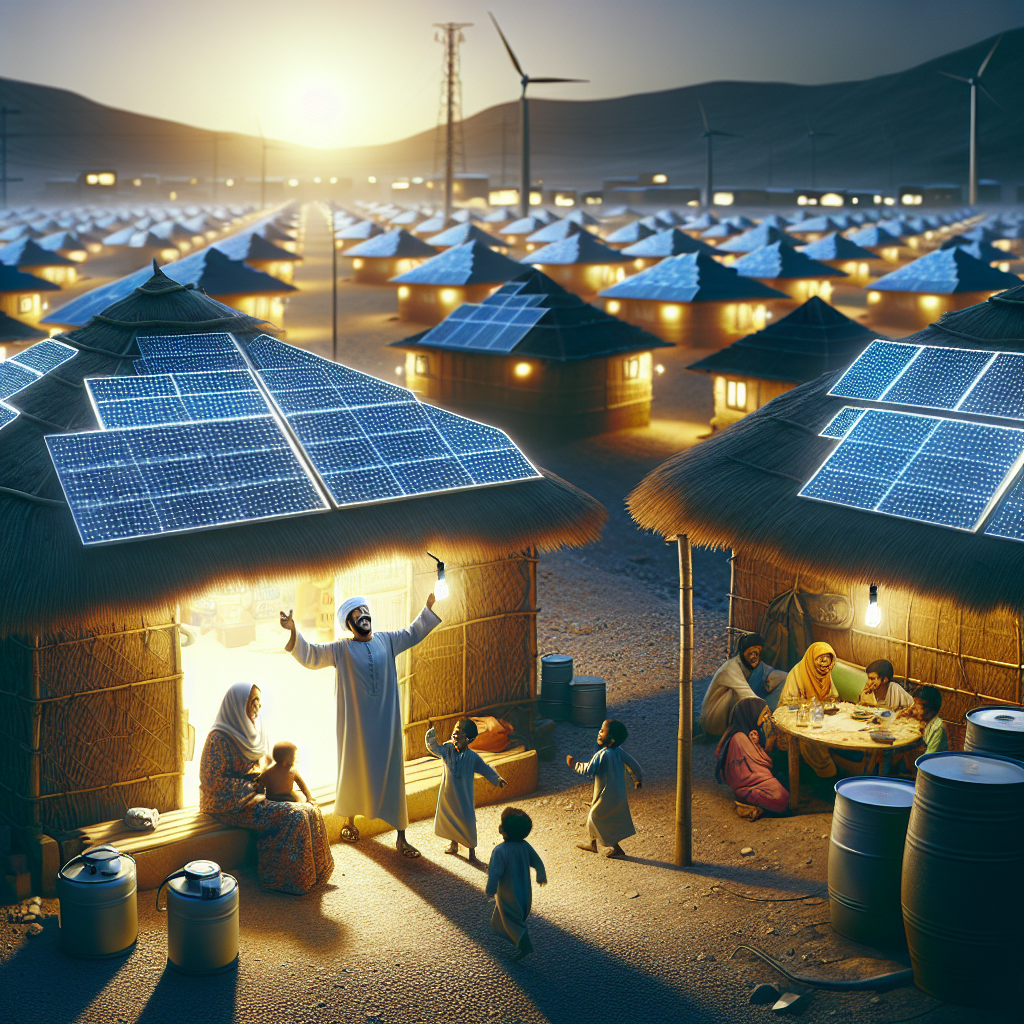
  • How Off-Grid Solar Systems Are Changing Rural Communities

    How Off-Grid Solar Systems Are Changing Rural Communities

    Empowering Local Economies

    Creating New Job Opportunities

    When I first dove into the world of off-grid solar systems, I was amazed by the potential for job creation in rural areas. Not only do these systems require installation, but they also need maintenance and support, which creates a range of jobs. From technicians to salespeople, there’s room for all kinds of expertise in the solar realm.

    Plus, local workers are often more invested in their communities compared to outsiders. They understand the unique challenges and opportunities of their neighborhoods and can create innovative solutions that resonate with the local populace.

    In my experience, a thriving job market boosts community pride and economic stability. The money stays local, and as people become employed, they have more power to invest back into their own community. It’s a win-win!

    Boosting Entrepreneurship

    It’s pretty exciting how off-grid solar can unleash a wave of entrepreneurship. Imagine local farmers who rely on intermittent power sources suddenly having a reliable energy supply. They can expand their operations or even start value-added businesses like processing or selling their products directly.

    This not only brings in more income for them but also gives rise to local markets and shops. I’ve seen villages transform into bustling hubs filled with vibrant small businesses—all thanks to the reliable energy from solar systems.

    Moreover, I’ve noticed that when entrepreneurs have access to energy, they’re able to think bigger. They can innovate, develop new products, and even export goods to wider markets, which further strengthens the local economy.

    Reducing Energy Costs

    Another significant advantage I’ve seen with off-grid solar systems is the reduction in energy costs for rural households. Traditional power sources can be outrageously expensive, especially when you factor in transportation and infrastructure costs. With solar, families can produce their own energy, often at a lower cost.

    This savings can be transformative—imagine redirecting the money you would have spent on electricity to education or healthcare. I’ve chatted with families who have been able to afford books and school supplies for their kids simply because they’ve cut down on their energy expenditures.

    Long-term, these savings can lead to financial independence for many households. It’s all about giving them more control over their finances, which is essential in building a sustainable future.

    Enhancing Access to Essential Services

    Improvements in Healthcare

    One of the most heartwarming changes I’ve witnessed is in the field of healthcare. With solar power, clinics that once struggled with power outages can keep their lights on and run essential medical equipment. This can be a game-changer in emergencies.

    I’ve heard stories of how childbirth has become safer in areas with solar-powered clinics, as medical staff can have reliable lighting and can store medicines that require refrigeration. It’s amazing how something as simple as consistent electricity can truly save lives.

    Moreover, telemedicine has gained traction in rural areas thanks to better energy access. Health professionals can connect with specialists located far away, providing villagers the medical attention they need without the exhausting travel.

    Educational Opportunities

    Then there’s the impact on education. Schools can now harness solar energy to power computers and internet access. This opens up a world of possibilities for students who otherwise might not have access to modern educational materials.

    I’ve seen classrooms turn into vibrant learning environments where kids are not only reading about the world but actually connecting with it online. It’s this bridge across distances that can inspire the next generation of leaders and innovators.

    Education is the cornerstone of development, and reliable solar power makes it more accessible. Schools can offer extended hours, host adult education classes, and even provide tech training!

    Connecting Communities

    Off-grid solar systems aren’t just about power—they’re about connection. With better energy solutions, rural areas can now implement better communication services. I’m talking about everything from reliable phone services to internet connectivity.

    This connectivity allows communities to share resources, collaborate on projects, and promote local businesses more effectively. I’ve seen how local online forums or social media groups can propel a community’s growth just by keeping everyone informed and engaged.

    Moreover, the sense of belonging strengthens when people can communicate effortlessly. I’ve seen farmers share tips, educational resources, and good old-fashioned support via these new connections, creating a unified community spirit.

    Fostering Sustainability and Environmental Responsibility

    Reducing Dependence on Fossil Fuels

    Switching to solar energy directly translates to reduced dependence on fossil fuels, which is something I am particularly passionate about. I’ve talked to folks out in the fields who get the real importance of this shift. The cleaner our energy sources, the healthier our planet!

    There’s something satisfying about knowing that local communities are taking charge of their energy future while simultaneously preserving the environment. I’ve seen firsthand how this creates a ripple effect in sustainable practices within the community.

    People become more aware as they engage with solar technologies, leading to a broader understanding of environmental stewardship. It’s empowering to be part of this shift towards a cleaner future.

    Promoting Ecological Awareness

    On top of reducing carbon footprints, off-grid solar installations have sparked a consciousness about resource management. Rural communities are starting to engage in better practices such as water conservation and sustainable farming. It’s all interconnected, really!

    I’ve had conversations with many farmers who are keen on adopting permaculture techniques alongside solar installations. They’re understanding that harnessing energy wisely can also mean better stewardship of water and soil.

    This mindset can lead to a renaissance of eco-awareness in rural areas, creating communities that are not just off-grid but also greener and smarter.

    Encouraging Renewable Energy Innovations

    As more rural communities embrace solar power, there’s also a flourishing of creativity and innovation. People are thinking outside the box to create systems that suit their specific needs. I find it amazing how necessity breeds innovation!

    I’ve seen small-scale solar projects involving clever DIY solutions that maximize efficiency, and it’s proof that even the smallest community can make a big difference when it comes to energy independence.

    With more people involved in renewable energy discussions, there’s bound to be exciting developments that could inspire larger projects or collaborations. It’s truly a collective journey into a sustainable future!

    Strengthening Community Resilience

    Coping with External Shocks

    Off-grid solar systems contribute greatly to community resilience. When I think about how vulnerable some rural areas have been to energy crises or disasters, it’s heartening to see them bounce back more swiftly thanks to the decentralized power provided by solar.

    These systems can be a lifeline during natural disasters, when the grid may fail or be destroyed. Communities with solar setups can continue to access essential services like refrigeration for medicine or emergency communication. It’s empowering and provides peace of mind.

    Over time, I’ve realized that resilience isn’t just bouncing back; it’s also about adapting and growing stronger. And solar power plays a pivotal role in that equation!

    Building Social Cohesion

    It’s no surprise to me that solar energy installations can help foster a sense of community. In many places, I’ve seen neighbors coming together to discuss how to best utilize their shared solar resources. This collaboration strengthens bonds, enhances trust, and creates a more connected community.

    When people invest their time and resources in a common cause, they not only learn from one another but also develop a shared vision for the future. It becomes about so much more than just energy—it’s about relationships and camaraderie.

    I love the feeling when a community rallies together—it’s contagious! This newfound unity often leads to other initiatives, such as local clean-up days or community gardens, which can beautify the environment even further.

    Encouraging Youth Engagement

    Finally, let’s talk about the inspiring effect solar energy has on the youth. I’ve seen firsthand how introducing sustainable practices can spark interest in renewable energy fields among young people. Many are keen to learn more about solar technology and environmental science, inspiring the next generation of innovators.

    Programs offering training on solar installation and renewable energy come from grassroots initiatives directly led by passionate community members. This hands-on experience gives students a taste of what it means to work in a growing and crucial sector.

    When the youth feel engaged, they often become advocates for their communities, sharing knowledge and information with their peers. This creates a cycle of learning that can help propel entire communities forward toward a sustainable future.

    FAQ

    1. What are off-grid solar systems?

    Off-grid solar systems are setups that generate electricity independently from the traditional power grid. They are usually composed of solar panels, batteries for energy storage, and inverters to convert stored energy into usable electricity.

    2. How do off-grid solar systems empower local economies?

    Off-grid solar systems create jobs in installation, maintenance, and support services while allowing local entrepreneurs to thrive by decreasing energy costs and enabling them to invest in their businesses.

    3. In what ways do off-grid solar systems improve healthcare?

    By providing reliable power, these systems allow clinics to maintain essential equipment, store medicine properly, and even enable telemedicine, making healthcare more accessible in rural areas.

    4. How do off-grid solar systems promote sustainability?

    They reduce dependence on fossil fuels, encourage ecological awareness, and inspire local innovation, creating a cleaner environment and making communities more self-sufficient.

    5. What is the community impact of solar energy on youth engagement?

    Solar energy initiatives often spark interest among youth in renewable energy careers, leading to hands-on training and advocacy, which fosters a new generation of environmentally-conscious leaders.

  • The Future of Off-Grid Solar: Innovations to Watch

    1. Advancements in Solar Technology

    High-Efficiency Solar Panels

    One of the most exciting areas in solar technology is the development of high-efficiency solar panels. These panels can convert a greater amount of sunlight into usable energy, making them ideal for off-grid applications. I’ve seen firsthand how these panels can significantly affect energy output. There’s this satisfaction from knowing that more energy means greater independence.

    The latest designs utilize advanced materials like perovskite and bifacial cells, which capture sunlight on both sides. It’s like they’re doubling down and saying, “Bring it on, sun!” The implications for off-grid users are monumental because higher efficiency means fewer panels needed for the same output.

    Imagine a vacation cabin that’s fully powered by just a couple of these high-tech panels. You wouldn’t have to sacrifice comfort and convenience just because you’re off the grid. How cool is that?

    Storage Innovations and Battery Technologies

    Moving to the next innovation, let’s talk battery tech. The heart of off-grid systems isn’t just the solar panels; it’s also how you store that energy. The latest breakthroughs in lithium-ion and solid-state batteries are game-changers. I remember when storage was a limiting factor for many, but now with these improvements, we can store energy more efficiently and safely.

    These new batteries are not only lasting longer but also charging faster. It’s a relief to know that we can harness energy during sunny days and utilize it at night without any significant losses. There’s something quite liberating about knowing that enough energy is available to power your essentials when you need them.

    Trust me, when you have a reliable energy storage solution, you can throw impromptu outdoor parties or movie nights under the stars without worrying about whether the lights will go out. Now that’s living your best off-grid life!

    Smart Technology Integration

    The integration of smart technologies into off-grid solar systems is kind of incredible. I’ve had personal experiences with smart solar management tools that allow users to monitor energy production and consumption via a phone app. It really gives you that sense of being in control.

    These systems often come equipped with AI algorithms that optimize energy usage based on your habits and forecasts. For instance, if they know you typically use more energy on weekends, they’ll ensure that your energy is well-managed in advance. I’ve found that makes a real difference in managing resources effectively.

    Plus, with features like remote troubleshooting and automated maintenance alerts, you can enjoy more peace of mind knowing that your solar setup is looking out for you.

    2. Affordability and Accessibility Improvements

    Cost-Effective Solar Products

    When it comes to off-grid solar, affordability is everything. It’s been incredibly exciting to see how the costs of solar panels and related products have been dropping over the last few years. I remember the days when going solar felt more like a luxury than a sustainable choice – but that’s definitely changing!

    More manufacturers are entering the market, driving down prices while simultaneously improving quality. As a result, consumers and small businesses looking to go off-grid are presented with incredible opportunities to find solutions without breaking the bank.

    It’s all about making off-grid living accessible to everyone. Even someone on a tighter budget can now consider a solar setup. Trust me, there’s nothing more fulfilling than knowing you’re making an eco-friendly choice without draining your wallet.

    Flexible Financing Options

    Another important piece in this affordability puzzle is the rise of flexible financing options. When I first looked into solar, I was blown away by the upfront costs. But now, many companies offer attractive financing plans like leasing or power purchase agreements (PPAs). It transforms the whole decision-making process!

    This means that you can start saving money on your energy bills from day one without having to pay the full cost upfront. It’s a win-win! You get to experience the benefits of clean energy while easing the financial burden.

    From what I’ve observed, this approach has opened the door for many families and individuals who thought living off-grid was out of reach. Now, it feels like anyone can step into this lifestyle with the right support.

    Community Solar Programs

    Lastly, community solar programs have gained traction, providing another way to make off-grid solar more accessible. These programs allow groups of residents to share the benefits of a single, larger solar installation. It’s a fantastic way for individuals who may not have suitable roofs or space for panels to join in!

    Through these programs, communities can pool resources to invest in solar technology together. I saw this taking shape in my neighborhood, and it was incredible to see neighbors uniting over a common goal: sustainability. It’s that sense of camaraderie that makes the journey worthwhile!

    Plus, with shared ownership comes shared savings. The return on investment is impressive when the community collaborates, ultimately leading to a brighter future for all involved.

    3. Policy and Regulatory Changes

    Incentives for Off-Grid Solar

    Let’s dive into the world of policy and regulatory changes. I’ve seen firsthand how government incentives can make a substantial difference in promoting off-grid solar adoption. Many regions are now offering tax credits and rebates aimed at reducing the cost of solar installations.

    These incentives can significantly lower the initial investment and thus encourage more people to consider going solar. It’s motivating to see how policymakers recognize the benefits of renewable energy and are acting to support individuals making the switch.

    This support essentially sends a message that we’re serious about sustainability and energy independence. It’s reassuring to know that you’re not alone in this journey but have support backing your efforts.

    Streamlined Permitting Processes

    Another aspect that often gets overlooked is the streamlining of permitting processes for solar installations. It can be a cumbersome experience, which is why I truly appreciate regions that have simplified the procedure. The effort to make it easier to go solar reflects the growing demand and recognition of its importance.

    This means less red tape and hassle for individuals wanting to install off-grid systems. I’ve felt the frustration of waiting on approvals, and anything that reduces that waiting game is a win in my book!

    As these processes become more accessible, it encourages more homeowners to invest in solar technology. More solar systems mean more clean energy — a true win-win!

    Collaborations Between Governments and Private Sector

    The collaboration between governments and the private sector is crucial for pushing forward the off-grid solar movement. I’ve read about several partnerships aimed at creating innovative solutions that drive down costs and improve accessibility.

    These collaborations often lead to pilot programs that test new technologies and approaches, providing valuable insight into what works best. It’s inspiring to witness these entities working together for a common cause, and it reaffirms my belief in the future of renewable energy.

    Knowing that there’s a combined effort to innovate and support off-grid solutions fills me with hope. It’s truly a beautiful thing when we can align motivations and goals toward a sustainable future.

    4. Increased Awareness and Education

    Community Workshops and Initiatives

    Education is key when it comes to solar energy, and I’m thrilled to see an increase in community workshops and educational initiatives. These programs demystify the solar installation process and show folks that going off-grid isn’t as complicated as it might seem.

    When I attended a local workshop, I was amazed at how many misconceptions were cleared up. It’s all about arming yourself with information and understanding the technologies available. It’s empowering to see communities become better informed and more enthusiastic about solar energy.

    These workshops often feature experts and testimonials from those who have successfully made the switch. Hearing their experiences solidifies the message that going off-grid is an achievable goal.

    Online Resources and Platforms

    In this digital age, a wealth of information is available online. A plethora of resources, from videos to blogs, is dedicated to educating individuals about off-grid solar. I’ve spent countless hours scrolling through this content, and it’s opened my eyes to numerous options and solutions I hadn’t considered before.

    Whether you’re looking for DIY installation tips or in-depth analyses of battery systems, the variety of online content allows everyone to find something that resonates. It’s a fantastic way to encourage more discussions about renewable energy and motivate others to take the leap.

    That continuity of learning builds strength in communities, where knowledge is shared, and everyone can benefit from the experiences of others. Together, we can harness that energy and create a movement!

    Advocacy Groups and Their Impact

    There are also numerous advocacy groups tirelessly working to spread the word about off-grid solar and its benefits. I’ve connected with some organizations that focus on promoting clean energy solutions in rural areas, providing resources and assistance to those wanting to switch.

    Their efforts are invaluable because they highlight the need for sustainable energy sources for those who may not have access to traditional power grids. I’ve seen how they tackle challenges head-on, pushing for change and raising awareness.

    Each voice counts in this movement, and the momentum these groups generate can lead to significant impacts in communities in need. It’s truly a collaborative effort toward a cleaner future!

    5. Emerging Markets and Global Trends

    Off-Grid Solutions in Developing Countries

    Off-grid solar isn’t just a trend in developed nations; it’s making waves in developing countries, too. These regions often lack access to reliable electricity, making solar an appealing option. I recently read about how off-grid systems are transforming lives in rural areas — helping families gain access to vital services, education, and opportunities.

    With affordable solar technology, local entrepreneurs are stepping up, creating jobs and fostering economic growth within their communities. It’s heartwarming to see how solar initiatives can bring about real change by empowering individuals.

    Seeing these transformations only strengthens my belief in the potential of solar energy to drive global progress. From lighting up homes to powering schools, the ripple effect of solar in developing countries is inspiring.

    Global Collaboration for Renewable Energy Initiatives

    The importance of global collaboration in renewable energy initiatives can’t be overstated. I love seeing international organizations and governments coming together to share knowledge, resources, and technologies. This united approach accelerates progress and brings about innovative solutions to global energy challenges.

    By learning from each other’s successes and mistakes, countries can adapt strategies that fit their unique circumstances. It’s amazing how one country’s success story can inspire another to take action.

    I’ve found that these discussions promote creative solutions to common problems and remind us we’re all in this together. A collective commitment to renewable energy can lead to groundbreaking advancements that change the world.

    Consumer Demand and Market Expansion

    With increased awareness comes expanded consumer demand, sparking a surge in the market for off-grid solar. As people become more eco-conscious and seek sustainable alternatives, the demand for solar products will only grow. I’ve noticed this shift firsthand, with neighbors and friends showing strong interest in green technologies.

    This shift has driven companies to innovate and provide a wider range of sustainable options. More players in the market mean more choices for consumers, which is exactly what we need! The competition helps keep prices reasonable and quality high.

    It’s thrilling to think about the kind of future we can build if we all continue pushing toward that demand for renewable energy. The best part? We can be part of the solution each step of the way!

    FAQ

    1. What are the key innovations in off-grid solar technology?

    The key innovations include advancements in high-efficiency solar panels, improved storage and battery technologies, and the integration of smart technologies that allow for better energy management.

    2. How do affordability and accessibility impact off-grid solar adoption?

    Affordability and accessibility have a significant impact as they encourage more individuals to consider solar solutions. With falling prices and flexible financing options, more people are able to invest in solar technology.

    3. What role do policies and regulations play in promoting off-grid solar?

    Policies and regulations, such as incentives and streamlined permitting processes, significantly influence the adoption of off-grid solar by making installations more cost-effective and easier for consumers.

    4. Why is education and awareness important for off-grid solar?

    Education and awareness help dispel misconceptions about solar technology. Workshops, online resources, and advocacy efforts inform potential users about the benefits, making off-grid living more attractive.

    5. How does the market for off-grid solar differ globally?

    The market for off-grid solar varies, with developing countries often utilizing solar solutions for essential services due to a lack of access to reliable electricity, while developed nations focus more on sustainability and innovation.

  • Off-Grid Solar Power: Everything You Need to Know

    Off-Grid Solar Power: Everything You Need to Know

    Understanding Off-Grid Solar Systems

    What is Off-Grid Solar Power?

    Okay, so first off, let’s get clear on what off-grid solar power actually means. Simply put, it refers to solar energy systems that operate independently of the centralized power grid. This setup is perfect for those looking to achieve energy independence, especially in remote areas where connecting to the grid isn’t practical.

    When I first took the plunge into off-grid living, I was amazed at how liberating it felt. I didn’t have to rely on anyone else for my power needs. Using solar panels, I could generate my own electricity and power my life, whether I was out in the woods or living in a cozy cabin.

    But it’s not just about independence; it’s also about sustainability. Off-grid solar systems can drastically reduce your carbon footprint and contribute to a greener planet. I mean, who doesn’t want to do their part for Mother Nature, right?

    Components of an Off-Grid System

    Now, let’s talk parts. An off-grid solar power system typically consists of solar panels, a charge controller, batteries, and an inverter. Each component has a unique role in making the system work smoothly.

    The solar panels convert sunlight into electricity, which is charged into the batteries by the charge controller. These batteries store energy, so you have power even when the sun isn’t shining. Finally, the inverter changes the stored DC electricity into usable AC power for your home appliances. It’s a nifty little setup!

    When I was setting this up, I had to take a bit of time to research the right components that fit my energy needs. Trust me, investing in quality equipment pays off big time in the long run.

    Advantages and Challenges

    While being off the grid is fantastic, there are both advantages and challenges. The biggest perk for me was the reduction in electricity bills. Once everything was set up, my power was practically free!

    However, it’s not all sunshine and rainbows. The initial setup costs can be high, and you need to ensure your system is designed well enough to handle your energy needs. Plus, if you’re in a less sunny area or during winter months, you might struggle with insufficient power.

    It’s essential to do thorough research and planning before going off-grid. Understanding your energy consumption habits can save you lots of headaches—and probably some money—in the long run.

    How to Calculate Your Energy Needs

    Assess Your Daily Usage

    The first thing I did when moving toward an off-grid lifestyle was calculate how much energy I used daily. This meant listing out all my appliances, their wattage, and how many hours I used them. It felt a bit like going back to school with all the math involved!

    But once I wrapped my head around the numbers, it turned out to be super relieving. Knowing how much energy I consumed allowed me to tailor my solar system to meet my specific needs instead of just guessing.

    This step is crucial to ensure you’re investing in the right amount of solar. Trust me, you don’t want to end up with a system that doesn’t cover your energy use, especially during those cloudy days.

    Solar Panel Output

    Next up, understanding solar panel output. Not all solar panels are created equal! They vary significantly in efficiency, size, and output rating. When I chose my panels, I made sure to pick ones that had high efficiency and a good warranty. You want something that’ll last!

    Calculating how many panels you need means dividing your total daily kilowatt-hours (kWh) by the solar panel output rating. This will help you get a good estimate of how many panels you should install for your energy usage.

    Keep in mind that different factors—like location and weather—can affect performance, so I usually added a bit extra to my calculations just to be safe.

    Battery Storage Considerations

    Finally, let’s talk batteries. Selecting the right battery storage is crucial since they are what keeps your lights on when the sun goes down. I opted for lithium-ion batteries because of their longevity and efficiency, but lead-acid batteries are also popular for a reason—they’re usually cheaper!

    When figuring out how many batteries you’ll need, I considered how much energy I wanted to store. A good rule of thumb is to have enough batteries to cover 2-3 days of energy use. That way, if there are a couple of cloudy days in a row, you won’t be left in the dark.

    Also, don’t forget about battery maintenance! It’s something that can be easily overlooked, but regular checks can prolong their lifespan significantly.

    Installation Process

    Planning Your System

    The installation process can seem daunting, but it’s all about planning. I drew up a diagram of where I wanted my panels installed and how everything would connect. Visualizing helped me avoid mistakes once the real work began.

    I also spent time checking local regulations regarding solar installations. Some places have specific guidelines or permits that you need to adhere to. It’s better to tackle this upfront to avoid headaches later on!

    Involving professionals is always a good idea if you feel overwhelmed. They bring expertise to the table and can help streamline the installation process.

    Installing Solar Panels

    When it came time to install the solar panels, I felt like such a boss! It was hard work, but really rewarding to see my system coming together. Depending on your setup, you may need to mount the panels on a roof or ground mount them in your yard. I went for a ground-mounted system because it made maintenance simpler.

    For anyone who decides to take this route, just be sure your panels are angled correctly for maximum sunlight exposure. It’s key to rotate those bad boys to capture the most sun throughout the day!

    Also, make sure to use proper tools and safety equipment. It’s always better to be safe, especially when working on ladders or rooftops!

    Connecting Other Components

    With the panels up, the next step is connecting everything: the charge controller, batteries, and inverter. This part sometimes felt like piecing together a puzzle. I had to double-check each connection to ensure it was all correct; one wrong move can throw off the entire system!

    Online tutorials and videos were my best friends during this stage. There’s a wealth of info out there that can guide you through the process like a pro. And if you’re ever unsure, calling in a certified technician is a solid option.

    After hooking everything up, watching the system come to life was such a thrill! I finally saw my panels generating energy, and it felt like I’d conquered a huge mountain.

    Maintenance and Troubleshooting

    Regular Maintenance Practices

    Let’s chat about keeping your system in tip-top shape. Even the best solar systems need a bit of TLC now and then. I set a schedule to clean my panels and check connections regularly, especially after big storms or heavy dust.

    A clean panel can be more efficient, so I occasionally used a hose and a soft brush to remove any debris. Just be gentle; you don’t want to scratch the surface!

    Beyond cleaning, it’s good to keep an eye on the battery health as well. Sometimes battery cells can get imbalanced, so occasionally checking their charge status helps ensure everything runs smoothly.

    Signs of System Failure

    Now, even with the best planning, issues can crop up. Some signs of system failure include persistent low voltage readings or batteries not charging correctly. When I experienced this, it was super frustrating!

    Whenever you notice something off, it’s essential to investigate right away. If the issue isn’t something obvious like dirt on the panels, you might need to consult with a pro to diagnose and fix the problem.

    Staying ahead of potential issues can save you loads of heartache down the road. Plus, knowing the common problems can help you troubleshoot like a champ!

    Upgrading Your System

    Last but not least, let’s talk upgrades. As time passed, my energy needs changed, and I found myself wanting to add more panels and batteries. Thankfully, the beauty of off-grid solar is that you can tweak and upgrade your system as needed.

    When considering upgrades, analyze your current setup. Are you using your energy efficiently? Maybe adding energy-efficient appliances can make a huge difference without investing heavily in extra panels.

    But should you choose to expand, there are plenty of resources available to help you understand what modifications are best for your existing system. Embracing the upgrades keeps everything running smoothly and efficiently!

    FAQs

    1. Is off-grid solar power really cost-effective?

    Absolutely! While the upfront costs can be high, many folks quickly see reductions in their electricity bills. Plus, once it’s set up, you start generating free power!

    2. How much maintenance do solar power systems require?

    It’s minimal! Regular cleaning of the panels and checking battery health is typically all that’s needed. Make it part of your seasonal chores, and you’re golden!

    3. Can I connect my off-grid system to the grid later?

    This depends on your local regulations, but many systems can be designed for grid-tied compatibility. It’s always best to check with an expert before making any plans.

    4. What if I live in an area with less sunlight?

    No worries! You can adjust by adding more panels or investing in more efficient batteries. Research how other off-grid people in your area handle it for ideas!

    5. Do I need a lot of land for solar panels?

    Not at all! Many installations are suitable for smaller spaces, especially with vertical panels. Be creative with your setup!

    So there you have it—everything you need to kickstart your off-grid solar journey! If I can do it, so can you! Happy solar setup!

  • The Pros and Cons of Off-Grid Solar Systems

    The Pros and Cons of Off-Grid Solar Systems

    Independence from Utility Companies

    Choosing Your Energy Source

    One of the most liberating feelings is the independence that comes with an off-grid solar system. Personally, I was tired of depending on utility companies for my energy needs. With off-grid living, I got to choose what energy source I relied on. I started digging into solar power, and the idea of generating my own electricity was incredibly empowering. It’s sort of like being your own boss; no one can dictate when your power is up or down because of outages.

    Another cool thing about using solar energy is how I get to contribute to a healthier planet. With climate change knocking on our doors, going off-grid means I’m reducing my carbon footprint. Honestly, it’s a fantastic way to feel like part of the solution rather than just another part of the problem. Knowing that my energy is clean and sustainable has been a rewarding journey.

    However, with this freedom comes responsibility. It’s not all sunshine and rainbows (pun intended!). I discovered that I had to learn a lot about managing energy consumption and production which was a bit overwhelming at times. But honestly, every new skill I picked up made me feel more connected to my energy usage, so it’s been worth it.

    Cost Savings Over Time

    Initial Investment vs Long Term Benefits

    When I first researched off-grid solar systems, the initial investment made me cringe a bit. Let’s be real—it’s not cheap at the start. But what’s cool is how I came to appreciate that it’s more of a long-term investment. I crunched some numbers and saw that, over time, my savings would really add up. The idea of no monthly electric bills is a dream that drives me.

    Once I set everything up and learned to optimize my energy use, I started noticing the monthly savings. That feeling of not sending a chunk of my paycheck to the utility company was pure bliss. And trust me, every little bit counts, especially when you start seeing those solar tax credits kicking in too, which I was not expecting!

    Of course, you can’t ignore the maintenance costs down the road. As with any system, there can be hiccups, and I had to account for occasional repairs or replacements. But the fact that I’ve been saving on utility costs gives me peace of mind knowing that I can handle some of these expenses without breaking the bank.

    Environmental Impact

    Reducing Your Carbon Footprint

    We all know that fossil fuels are a big contributor to environmental issues, right? Transitioning to an off-grid solar system meant a massive shift for me toward using renewable energy—definitely something I wanted to embrace. Taking that step towards cleaner energy felt fulfilling. Every ray of sunshine was now working for me and for Mother Earth!

    In my experience, one of the underrated perks has to be the sense of community. I’ve met so many like-minded folks who share the same vision for a sustainable lifestyle. It’s inspiring to hear how others are tackling energy consumption and making eco-friendly decisions.

    But honestly, being environmentally conscious doesn’t just stop at picking solar! I learned to adopt a holistic lifestyle that focuses on conservation and sustainability, from minimizing waste to gardening in my backyard. Making this lifestyle switch has motivated me to not just rely on solar power, but to live in harmony with the environment as a whole.

    Self-Sustainability Challenges

    Energy Management Skills Required

    Okay, let’s talk about the not-so-fun bits. With great power (yeah, I’m still going there!) comes great responsibility. The learning curve hit me hard! I had to learn how to manage my energy use strictly. The first few months were a rollercoaster—balancing consumption with what my solar panels were generating was tricky.

    Having to constantly monitor energy use taught me some valuable skills, but it could be a headache, especially during storms or cloudy days. Sometimes, I found myself calculating power usage like it was math class—who knew going green would feel like an algebra quiz? Keeping track of battery levels and ensuring they were adequately charged became my new pastime.

    But hey, it’s not all bad! Every challenge faced turned into a learning opportunity that truly sharpened my problem-solving skills. Not to mention, the sense of accomplishment when everything clicked into place outweighed the stress. With time, I figured out what worked for me and began to find it second nature.

    The Longevity and Reliability of Solar Systems

    Durability and Maintenance

    Let’s face it, when I’ve invested hard-earned cash into something like solar panels, I want to know they’re going to last. The good news? Most of the components are designed to be durable. My research showed that, on average, solar panels have a lifespan of 25 years. That includes the inverters, which can last 5-10 years before needing replacement.

    Still, there’re always some maintenance tasks! I’ve found that cleaning the panels and inspecting the system regularly keeps everything running smoothly. Admittedly, I used to let dirt and grime build-up on them; big mistake! That little effort goes a long way in maximizing energy output.

    I also realized that harsh weather conditions can take a toll. Living in an area with fluctuating temperatures has tested my system’s durability. But hey, I’ve learned a lot about the importance of positioning the panels effectively and reinforcing any weak spots for long-term reliability.

    Frequently Asked Questions

    What is an off-grid solar system?

    An off-grid solar system is a self-sufficient solar energy system that operates independently of the electricity grid. It’s designed to provide complete energy independence by relying entirely on solar energy.

    What are the main benefits of off-grid solar systems?

    The primary benefits include energy independence, potential cost savings over time, a reduced carbon footprint, and increased self-sustainability in energy use.

    Are there any drawbacks to going off-grid?

    Yes, some drawbacks include the high initial setup costs, the need for energy management skills, and the potential for limited energy availability during adverse weather conditions.

    How do off-grid solar systems work?

    Off-grid solar systems work by capturing sunlight through solar panels, converting it into electricity, which is then used to power your home. Any excess energy can be stored in batteries for use when solar production is low.

    Can anyone install an off-grid solar system?

    While it’s possible for DIY enthusiasts to install their systems, working with a professional is often recommended to ensure correct installation and optimal performance of the solar system.

  • Off-Grid Solar Living: Complete Setup Guide

    Off-Grid Solar Living: Complete Setup Guide

    Understanding Off-Grid Living

    What Does Off-Grid Mean?

    So, let’s kick things off by chatting about what being off-grid even means. Basically, it’s living without being plugged into the local power grid. This can sound a bit daunting at first, but it’s also incredibly freeing. You’re essentially saying goodbye to those pesky electric bills and gaining some serious independence.

    For me, the shift to off-grid living was about self-sufficiency. It’s about harnessing natural resources, like solar power, to meet your everyday energy needs. Once you get the hang of it, you’ll find there’s a real satisfaction in knowing you’re living lightly on the planet.

    Trust me, once you start, you’ll appreciate how connected you are to the environment. It’s not just about avoiding bills; it’s a lifestyle choice that connects you to nature in a way that few other things can.

    Benefits of Going Off-Grid

    Now, I can’t stress enough the positives that come with choosing this lifestyle. First off, there’s the environmental impact. We’re all looking for ways to lessen our footprint, and with solar power, you’re tapping into a renewable resource!

    Secondly, there’s the financial aspect. Sure, setting up your solar system might cost a bit upfront, but once it’s all up and running, those savings on your electricity bills become life-changing. It’s like having your cake and eating it too!

    And let’s not forget about the peace of mind. When the grid goes down, like during a storm, I’ve got my solar setup to keep the lights on and my food fresh. You really can’t put a price on that kind of comfort!

    Choosing Your Off-Grid Location

    Next up is choosing where you’re gonna set up shop. It can be a daunting task, but you want to consider a few key factors. Is the site sunny enough? You’d be surprised how much sun can affect your system’s efficiency.

    Additionally, think about access to resources like water and land for food if you’re planning to grow your own meals. Being off-grid often means being a bit more resourceful, so having those natural perks is a game changer.

    Lastly, you’ll want to consider local zoning laws and permits. Nobody wants a nasty surprise from the authorities! Make sure you’re clear on what’s allowed in your chosen spot to avoid complications down the line.

    Choosing the Right Solar System

    Assessing Your Energy Needs

    Alright, let’s talk solar! It’s crucial to know how much energy you actually need before diving in. Start by listing all your daily power-hungry appliances. This will help you gauge what size solar system is right for you.

    For me, I started off with a small setup, but as I added things like a refrigerator and a laptop, I realized I needed to scale up. It’s an evolving process, so don’t rush it!

    Knowing your energy needs upfront also prevents overspending on a system that might be too big or, conversely, having one that leaves you in the dark!

    Different Types of Solar Panels

    Next, let’s dive into the types of solar panels available. You’ll typically find three main types: monocrystalline, polycrystalline, and thin-film. Each comes with its pros and cons, so knowing what fits your needs is important.

    Monocrystalline panels are known for their high efficiency and long lifespan, making them popular—especially if you have limited roof space. Polycrystalline is generally more affordable but with slightly less efficiency. Lastly, thin-film panels are lightweight and flexible, but you may need more of them to get the same wattage.

    Think about your setup and where you’re going to put the panels. Sometimes the look can influence your choice too, since you’re making a long-term investment.

    Battery Storage Options

    Battery storage is where many off-grid enthusiasts find their sweet spot! Simply put, it allows you to store excess energy for those cloudy days or at night. I learned the hard way when I didn’t have enough battery to last through a rainy week!

    Lead-acid and lithium-ion batteries are your main options. Lead-acid is cheaper upfront but has a shorter lifespan, while lithium-ion tends to be more cost-effective in the long run despite the initial investment.

    Knowing how much storage you’ll need is crucial as well. You want to balance your energy needs with what you can spend, so do your homework here!

    Setting Up Your Solar System

    Installation Basics

    Okay, time to roll up those sleeves! Setting up your solar system might sound intimidating, but it can be a fun DIY project if you’re willing to learn. You’ll need to begin with mounting your solar panels in a sun-friendly location.

    Next up, connecting the wires! I always recommend double-checking everything as you go. It’s super easy to make a mistake when you’re excited to power up. Take your time to ensure all the connections are secure.

    Last but not least, you’ll need to install the inverter, which converts the DC power from your panels into AC power for your home. There are many online guides that can help walk you through this, plus videos are super helpful!

    Connecting to Your Power Needs

    Now that the panels are mounted and the inverter is set up, it’s time to connect your solar system to your home. This is where the fun really begins! You’ll need to figure out how to route the power from your inverter into your breaker box.

    If this part sounds tricky, don’t hesitate to call in a pro! I always say it’s better to be safe than sorry, especially when you’re messing with electricity.

    After all, once everything is set up correctly, you’ll get to enjoy your new off-grid energy source to its fullest!

    Testing and Maintenance

    Finally, regular maintenance is key after your setup is complete. Make it a habit to check on your solar panels for dirt and debris at least a few times a year—keeping them clean helps maintain efficiency.

    Monitoring your system’s performance can help catch any issues early on. There are great apps and monitoring systems available today that make this a breeze.

    Don’t forget about your batteries, too! Keeping an eye on the electrolyte levels in lead-acid batteries or ensuring your lithium-ion batteries are functioning optimally will benefit your energy system.

    Living Off The Grid: The Final Steps

    Embracing the Lifestyle

    Now that you’ve got your system set, it’s time to embrace the off-grid lifestyle! There’s an adjustment period for sure, especially when it comes to being mindful of your energy usage.

    Start small—turning off lights when you leave a room, being cognizant of how often you run appliances—every little bit counts! You might even find a new sense of freedom and creativity in managing your energy.

    Cultivating this new habit forces you to appreciate life’s simple pleasures, like catching a sunrise while enjoying your morning coffee from your cozy cabin.

    Creating Community Connections

    One thing I absolutely love about off-grid living is the community. Connect with others who are on the same journey! Whether it’s through local groups or online forums, sharing tips and tricks can make your experience richer.

    Attending workshops or trade shows can not only provide you with valuable information but also make new friends who share your passion. Who knows? You might find a building buddy or someone to swap resources with!

    Remember, going off-grid isn’t just about power; it’s about building a lifestyle and a network that supports your goals.

    Looking Toward the Future

    Lastly, always be thinking ahead. The tech in solar energy is advancing rapidly! As you get more comfortable with your setup, stay on the lookout for new technologies that could benefit you.

    Consider features like smart-home integration or energy management systems down the line. It’ll not only help your own needs but can also increase the resale value of your home if you ever decide to move.

    Embracing the ever-evolving nature of solar technology allows you to make the most of your off-grid experience!

    FAQ

    1. What do I need to know about energy needs before going off-grid?

    Understanding your energy needs is crucial! Make a list of all your appliances and their wattage to accurately size your solar system.

    2. Are there specific solar panel brands you recommend?

    I’ve had great experiences with brands like LG and Canadian Solar, but it’s always best to research based on your specific needs.

    3. Can I go off-grid on a budget?

    Absolutely! Start small and gradually expand as you can afford it. There are also many resources online for affordable DIY setups.

    4. What are the challenges of living off-grid?

    The biggest challenges often include energy regulation, maintenance, and adapting to a new lifestyle, but it’s also incredibly rewarding.

    5. How much sunlight do I need for solar panels to work effectively?

    Most solar panels can still generate power in cloudy conditions, but ideally, you’ll want a location with ample sunlight exposure for maximum efficiency.

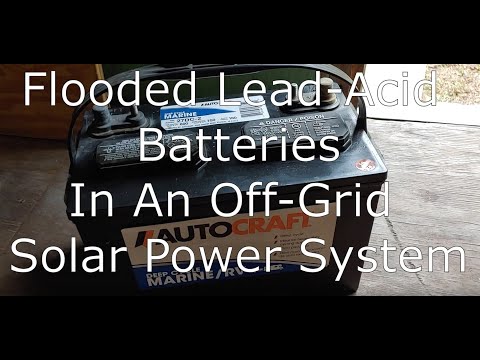
  • Flooded Lead-Acid Batteries in an Off-Grid Solar Power System

    Flooded Lead-Acid Batteries in an Off-Grid Solar Power System

    off grid solar, flooded acid battery, damp flooded lead acid battery, solar battery, solar energy, cost effective battery for solar, off grid solar energy system, off grid solar setup, off grid solar energy system for home

    Flooded Lead-Acid Batteries are gone over, including their role in energy storage in a off grid solar power system. I will discuss the benefits and disadvantages of utilizing the Flooded Lead-Acid Battery your solar requirements, and deal exceptionally specific advice for appropriate maintenance to keep Flooded Lead-Acid Batteries running a leading efficiency for numerous years.

  • Running an Air Conditioner off of Solar Power  How I do it! 2020

    Running an Air Conditioner off of Solar Power How I do it! 2020

    Heres a fast rundown on how I cool down my rig utilizing an air conditioner system and solar power. To see how I brought that a/c system in on my bike, join me on Instagram: https://www.instagram.com/enigmatic_nomadics

    Go to Battleborn for top-shelf lithium batteries and Victron items seen in this video. https://battlebornbatteries.com
    They have an EXCELLENT experienced service department that can be reached by phone here: (855) 292-2832

    I always value Channel assistance!
    https://www.patreon.com/bePatron?u=4433132
    Concept with Bitcoin! 3LLDcAE3C7j9NZEu36CjUMTQr6YzHuCv8q
    Establish a cryptocurrency account and start your own crypto investing account utilizing my affiliate link and we both get $10 dollar worth on Bitcoin here! https://www.coinbase.com/join/dimon_7
    #vanlife #vanbuildfest #skoolie

    My specific A/C system: https://amzn.to/2UY9csc
    An affordable generator to run it: https://amzn.to/2YOqsRC

    Visit my Amazon store for Solar packages, The WiFi set I use and trust, and suggested products that I swear by: https://www.amazon.com/shop/enigmaticnomadics
    Join me on Instagram: https://www.instagram.com/enigmatic_nomadics
    Sign up with the nomadic neighborhood! Enigmatic Nomadic Facebook group: https://www.facebook.com/groups/538279133607451

  • Installing solar panels on the side of my rig | How I did it

    Installing solar panels on the side of my rig | How I did it

    Basically, I advise circuitry panels in series rather than parallel due to the voltage pressure pressing the present longer varieties with more force. Merely do it the way I did and use a 30 amp breaker on the PV side and youll be great. Simply make sure those panels are really strong and arent going to bump anybody on the head that might be walking by.

    Essentially, I suggest circuitry panels in series rather than parallel due to the voltage pressure pushing the existing longer ranges with more force. Simply make sure those panels are actually strong and arent going to bump anybody on the head that might be strolling by.

    Visit my Amazon buy Solar sets, The WiFi set I use and trust, and encouraged products that I swear by: https://www.amazon.com/shop/enigmaticnomadics.
    Join me on Instagram: https://www.instagram.com/enigmatic_nomadics.
    Sign up with the nomadic community! Enigmatic Nomadic Facebook group: https://www.facebook.com/groups/538279133607451.

    I constantly worth Channel help!
    https://www.patreon.com/bePatron?u=4433132.
    Idea with Bitcoin! 3LLDcAE3C7j9NZEu36CjUMTQr6YzHuCv8q.
    Establish a cryptocurrency account and begin your own crypto investing account utilizing my affiliate link and we both get $10 dollar worth on Bitcoin here! https://www.coinbase.com/join/dimon_7.
    #vanlife #vanbuildfest #skoolie.

    I hope I didnt lose any person on the wiring part of the video. Basically, I recommend circuitry panels in series rather than parallel due to the voltage pressure pushing the existing longer varieties with more force. Simply do it the way I did and utilize a 30 amp breaker on the PV side and youll be great. Just make specific those panels are actually strong and arent going to bump any person on the head that may be walking by. Thanks for seeing and go get em!

    The Victron MPPT solar controller can be bought together with the Battleborn lithium batteries can be sourced straight from Battleborn which has an EXCELLENT technical help department that can stroll you through any questions you may have. https://battlebornbatteries.com
    Assistance number: (855) 292-2831
    Latches: https://amzn.to/3eM4KEL
    Aluminum framing: https://amzn.to/2AghRz1
    Hinges: https://amzn.to/2YIfWMP
    Stainless-steel screws: https://amzn.to/3g8lQNg
    Nuts: https://amzn.to/2BciSIV
    Countersink bit: https://amzn.to/3dI2HAg
    Usage washers on everything and the rest I got at Home Depot.;).

    Basically, I recommend circuitry panels in series rather than parallel due to the voltage pressure pushing the existing longer ranges with more force. Just make specific those panels are truly strong and arent going to bump anybody on the head that may be walking by.

  • Off-Grid Solar Power System:  Lithium Battery Installation using FLY POWER 100-ah 12-Volt batteries.

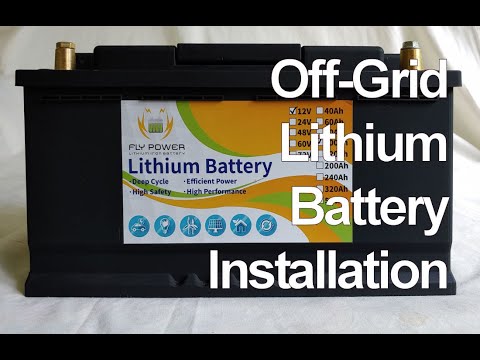
    Off-Grid Solar Power System: Lithium Battery Installation using FLY POWER 100-ah 12-Volt batteries.

    In this video, I will show how I moved from wet lead-acid batteries to FLY POWER 100-ah 12-Volt Lithium batteries for my new solar batteries in my off-grid solar power system.
    This is an updated solar style that must use more power for my solar power requirements. In my off-grid solar energy setup system I will be keeping my lead-acid batteries in place as a back-up in the meantime.
    These are economical, deep-cycle Lithium batteries for diy off-grid solar power systems. These batteries are ending up being more inexpensive as time goes on, and by purchasing these batteries one at a time for my off-grid solar energy system, I can establish my Lithium battery power at a practical cost. Use this link below for go to Amazon for the FLY POWER 100-ah 12-Volt Lithium batteries: https://amzn.to/3xqiVcL
    Will Prowse has really previously discussed these batteries, that I must tear them apart and see what is inside. I did not tear them apart, as he recommended, due to the reality that Shoestring can not spend for that.

  • Solar Power System Design Calculations

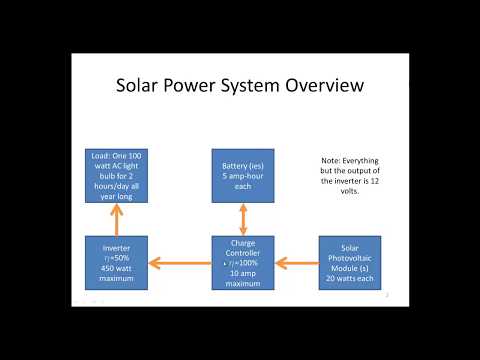
    Solar Power System Design Calculations

    This video examines a simple treatment for developing a solar power system.
    Bear in mind: This is not shown for real systems as some simplifying presumptions are made that should not be made when establishing a system. This video is for instructional functions just.