Tag: solar energy

  • Solar Power Revolution: How It’s Reshaping Our Future

    Solar Power Revolution: How It’s Reshaping Our Future

    The sun, a colossal ball of energy, is at the forefront of a revolution in how we power our world. The rise of solar energy has been nothing short of remarkable. Globally, countries are recognizing the benefits of harnessing this abundant resource, driving policies and investments toward renewable solutions. From vast solar farms in the deserts to rooftop installations in urban areas, solar energy’s footprint is expanding rapidly. The International Energy Agency reported a staggering increase in global solar capacity, marking it as one of the fastest-growing energy sources. As nations grapple with climate change and energy demands, solar power emerges as a beacon of hope for sustainable development.

    But how exactly does this technology work its magic? At its core, solar power transforms sunlight into electricity through two primary methods: photovoltaic (PV) systems and concentrated solar power (CSP). PV systems utilize semiconductor materials that generate an electric current when exposed to sunlight. This process occurs at the atomic level; photons from sunlight excite electrons within the material, creating an electrical flow. On the other hand, CSP systems use mirrors or lenses to concentrate sunlight onto a small area, generating heat that drives turbines to produce electricity. Both methods showcase the ingenuity behind converting nature’s light into usable energy.

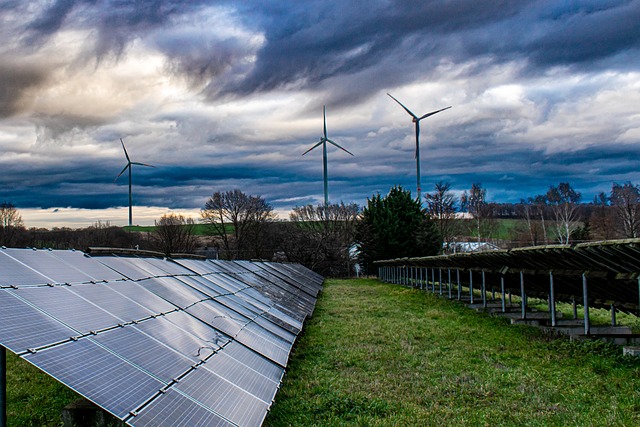
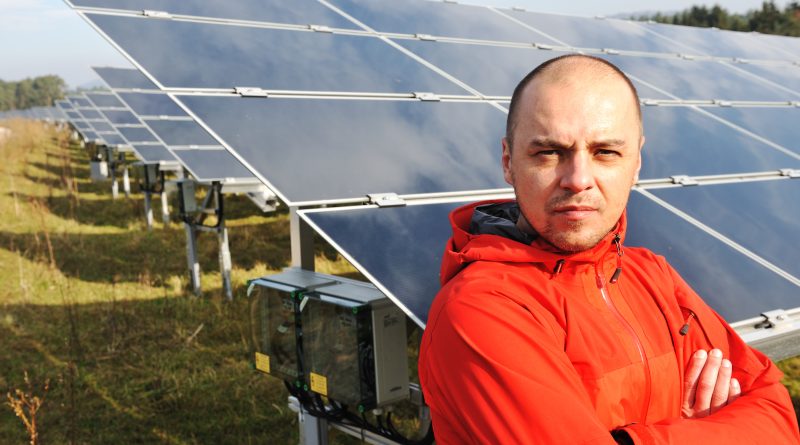
    solar energy panels at work BteRwTpVj 3 scaled

    The economic advantages associated with solar energy are equally compelling. For households and businesses alike, adopting solar panels can lead to significant cost savings on electricity bills. With decreasing installation costs and numerous financing options available, more people can access this technology than ever before. Moreover, the burgeoning industry creates job opportunities across various sectors—from manufacturing and installation to maintenance—fueling local economies. According to recent reports, jobs in the U.S. solar sector have grown exponentially over just a few years; thousands are now employed in roles dedicated to clean energy solutions.

    Equally important is the positive environmental impact that accompanies widespread adoption of solar technology. By shifting away from fossil fuels and reducing reliance on coal or natural gas plants, we can substantially lower our carbon footprint. Solar power generates clean electricity without releasing harmful emissions or pollutants into our atmosphere. This transition not only helps combat climate change but also improves air quality health for communities around the globe.

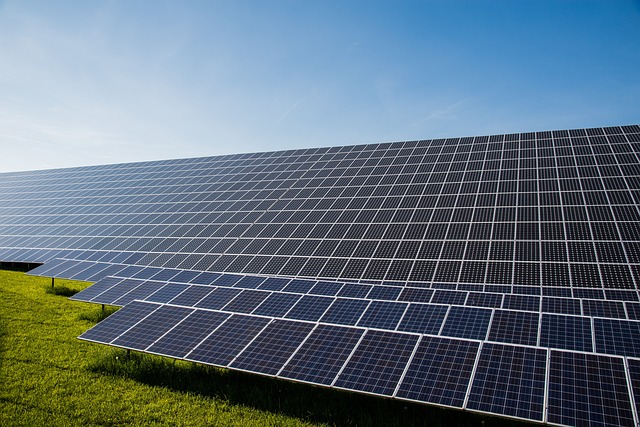
    environment M1 RqyCd scaled

    Looking ahead, innovations continue to reshape the landscape of solar technology. The future is bright with advancements like bifacial panels—which capture sunlight on both sides—enhancing efficiency levels significantly compared to traditional models. Additionally, groundbreaking research into perovskite cells holds promise for even cheaper production costs and higher performance metrics than existing silicon-based technologies.

    As we embrace smart grid technologies that allow for better integration of renewable sources into existing infrastructures and explore battery storage solutions capable of retaining excess energy generated during sunny days for consumption during nighttime hours—the potential appears limitless.

    In conclusion, as we stand on the brink of what many call a ‘solar revolution,’ it’s clear that harnessing sunlight will play a crucial role in shaping our future economy and environment alike. The combination of technological advancements coupled with collective action towards sustainability could illuminate paths previously thought impossible—propelling us toward cleaner air and greener living spaces while ensuring affordable access to resources for generations yet unborn!

  • Solar Power Myths Debunked: What You Really Need to Know

    Solar Power Myths Debunked: What You Really Need to Know

    Solar power is rapidly gaining traction as a viable energy solution, but many people are still clouded by misconceptions. Let’s peel back the layers on solar energy and uncover what you truly need to know.

    *Understanding the Basics: What is Solar Power?**

    At its core, solar power harnesses sunlight and converts it into electricity or heat. This transformation occurs through photovoltaic cells in solar panels that capture photons from sunlight. These energetic particles excite electrons, creating an electric current. Simple, right? As the technology has evolved, so has our ability to tap into this abundant resource efficiently and economically.

    *Myth vs. Reality: Common Misconceptions About Solar Energy**

    Despite its growing popularity, several myths linger around solar energy. One common misconception is that solar panels only work in sunny climates. While it’s true that sunnier locations yield better results, modern panels are designed to capture light even on cloudy days. Another myth suggests solar systems require extensive maintenance; however, most installations need little more than occasional cleaning and a routine inspection every few years.

    People often believe that installing solar panels will significantly increase their home insurance costs. In reality, many homeowners experience minimal changes in their premiums once they install a system—if any at all! Additionally, some think going solar means being completely off the grid; while that’s an option for some, most residential systems are tied to the utility grid for added reliability.

    *The Financial Perspective: Are Solar Panels Really Worth the Investment?**

    The financial implications of choosing solar can be daunting yet rewarding in the long run. Upfront costs may seem high; however, numerous incentives exist—federal tax credits and state rebates reduce initial expenses significantly. Furthermore, many homeowners see a decrease in their monthly utility bills after installation.

    Return on investment (ROI) varies depending on location, panel efficiency, and energy consumption habits but generally falls between five to seven years for most households. The long-term savings often outweigh initial costs when you consider rising electricity rates over time!

    *Environmental Impact: How Solar Power Contributes to a Greener Planet**

    Switching to solar power isn’t just about saving money; it’s also about making a positive impact on our planet! Utilizing renewable energy reduces dependency on fossil fuels and decreases greenhouse gas emissions significantly. According to research studies, one average-sized home going solar can eliminate approximately 100 tons of carbon dioxide over its lifetime—that’s like planting more than two acres of trees!

    Adopting clean energy sources helps combat climate change while promoting sustainable living practices that benefit future generations.

    *Installation and Maintenance: What to Expect When Going Solar**

    Navigating the transition to solar can feel overwhelming initially—but it doesn’t have to be! The process typically begins with a consultation where professionals assess your property’s suitability for solar installation based on factors like roof orientation and shading.

    Once you proceed with installation—which usually takes just one or two days—you’ll soon enjoy your new system’s benefits! Maintenance is minimal—most manufacturers recommend inspections every few years alongside regular cleaning if necessary due to dust or debris accumulation.

    *The Future of Solar Energy: Innovations and Trends to Watch**

    As we look ahead into the realm of renewable energy, exciting innovations abound! Bifacial panels that harvest sunlight from both sides show promising potential for increased efficiency while floating solar farms leverage unused water bodies as sites for installations.

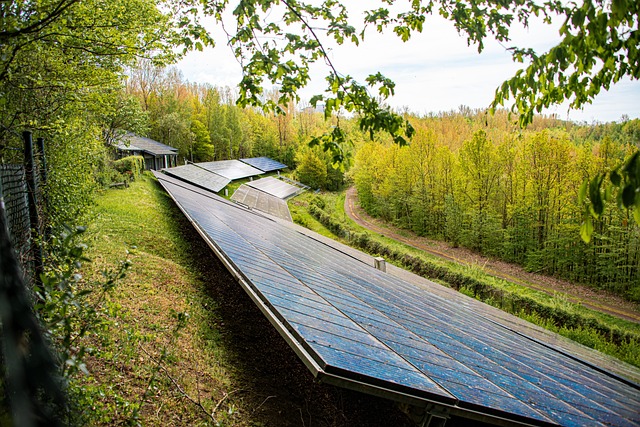
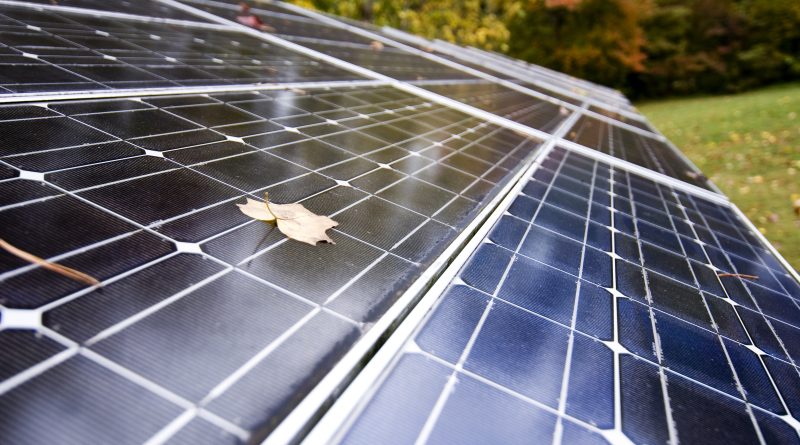
    JM Industrial DSC00737 scaled

    Furthermore, battery storage technology continues evolving—allowing homeowners greater control over their power supply during outages or peak demand periods without relying solely on grid access.

    In conclusion, understanding these aspects of solar power not only dispels myths but also empowers informed decisions toward adopting cleaner energy solutions—a step forward towards sustainability!

  • The Role of Solar Energy in Fighting Climate Change

    The Role of Solar Energy in Fighting Climate Change

    1. Solar Energy Reducing Carbon Footprint

    Understanding Carbon Footprint

    So, what’s all this fuss about carbon footprints, right? Essentially, it’s the total amount of greenhouse gases, including carbon dioxide, that are directly or indirectly emitted by our daily activities. As someone who’s really passionate about the environment, I’ve learned that understanding our impact is the first step in making positive changes. It’s kinda like looking at your bank account – you need to know what you’re spending before you can start saving!

    Carbon footprints vary based on what you do. Whether it’s driving a car, maintaining your home, or even your eating habits, everything adds up. But here’s the neat part: by switching to solar energy, we can drastically reduce those numbers. Imagine harnessing the power of the sun to power your life – it’s a game changer for our planet!

    As I swapped out conventional energy sources for solar, I witnessed firsthand how fulfilling it was to contribute to lowering my own carbon footprint. Every solar panel installed is a step toward cleaner air and a healthier global climate. And trust me, that feels pretty amazing!

    Solar Power vs. Fossil Fuels

    Now, let’s compare solar power with fossil fuels. Fossil fuels are like that friend who only brings negativity into a room. They contribute to pollution, climate change, and a host of health issues. Solar energy, on the other hand, is clean, renewable, and abundant! When I learned that solar panels could produce energy without emitting those harmful gases, it just felt like a no-brainer.

    Switching to solar is not just about being trendy; it’s literally about saving the planet. Each time we harness solar energy instead of burning fossil fuels, we reduce harmful emissions, allowing our planet to breathe a little easier. It’s not just a personal win; it’s a victory for Mother Earth!

    Investing in solar energy means investing in a brighter future, one where we can actually combat climate change. I’ve seen it firsthand; it’s not just idealism; it’s pragmatism. The more we shift toward renewable sources, the more we pave the way for a sustainable future.

    Benefits to Personal Health

    Let’s not forget about our health! Living in an environment plagued by pollution can be incredibly harmful to our well-being. With less reliance on fossil fuels, air quality improves significantly. I can personally attest to how my allergies have lessened since I started using solar energy. Clean air is a huge bonus that often gets overlooked!

    Studies have shown that reducing air pollution has direct health benefits, like lowering rates of asthma and respiratory issues. Just think about it – sunlight provides us with energy without the collateral damage of smoke and fumes. It’s like getting the perks of a warm sunny day without the sunburn!

    Embracing solar energy can transform not just our surroundings but also our bodies and minds. When I harness the sun’s energy, I feel more alive, focused, and, believe it or not, happier. It’s uplifting, knowing you’re part of a solution that benefits both people and the planet.

    2. Economic Advantages of Solar Energy

    Lower Energy Bills

    Let’s talk about money, baby! One of the most appealing aspects of solar energy is the potential for significant savings on your energy bills. When I made the switch, the first thing I noticed was how my energy expenditures took a nosedive! Investing in solar means the sun does the hard work for you, and your wallet gets heavier.

    Once your solar panels are installed, you’re tapping into a free source of energy. Of course, the installation costs can be hefty at first, but trust me when I say that it pays off in the long run. Watching my savings grow every month is like finding extra cash in your pocket – it just feels that good.

    Moreover, many regions provide incentives and rebates for solar installation, making it even more feasible. It’s like getting a pat on the back for making a smart choice. After all, who doesn’t love saving some cash while saving the planet?

    Job Creation in the Solar Industry

    Let’s face it, folks: the solar industry is thriving, and with that growth comes job creation! Every time a new solar project is initiated, jobs are created. From manufacturing, installation, to maintenance; the possibilities are endless. I always feel hopeful when I see young people excited about pursuing careers in renewable energy.

    This sector isn’t just creating jobs; it’s fostering innovation and development within local communities. By choosing solar, we’re not just powering our homes; we’re also powering economies and inspiring the next generation in the field of sustainability.

    I’ve witnessed local communities flourish when they invest in solar energy. It’s a win-win scenario for everyone involved. More jobs mean more resources, which lead to healthier communities. When we pivot to solar, we’re contributing to creating a sustainable and prosperous future.

    Energy Independence

    Energy independence is another intriguing benefit of solar energy. When you produce your own energy, you rely less on outside sources, and that alone feels pretty empowering. I remember when I installed my solar panels; the thought that I could generate my own electricity was exhilarating!

    By investing in solar, you’re not just decreasing dependency on fossil fuels; you’re also bolstering energy security for your community. With solar energy, concerns about energy price fluctuations and political instability in oil-producing regions diminish. It creates a sense of stability that we all could use in today’s unpredictable world.

    So, whether you’re a homeowner, business owner, or a community leader, embracing solar energy means championing energy independence. It’s all about being proactive instead of reactive, and trust me when I say that this approach could turn the tides for many.

    3. Solar Energy’s Role in Energy Security

    Decentralized Energy Production

    The beauty of solar energy lies in its decentralized nature. With a network of small energy producers instead of a few big players, it creates a robust energy grid. When I think about energy production, I love the idea of many homes and businesses generating their energy rather than relying on a single source. It’s empowering!

    This decentralization means that when one area experiences an energy crisis, it won’t affect the entire grid. I find it comforting knowing that solar adoption in my community contributes to a more resilient and secure energy landscape. It reminds me that we are all in this together.

    By encouraging local solar power production, we create a community-driven approach to energy management. This collaboration not only strengthens relationships among community members but fosters a sense of ownership and responsibility toward our energy use.

    Natural Disaster Resilience

    Natural disasters can wreak havoc on our energy systems, but solar energy offers a pathway to resilience. During a hurricane, while traditional energy sources struggle to keep the lights on, solar panels can continue working when paired with battery storage. I can’t tell you how many times I’ve heard stories of neighborhoods staying powered during emergencies thanks to solar. It’s truly inspiring!

    Having the capability to produce energy independently during critical times brings a level of safety that is hard to overlook. When combined with preparedness tools, solar can ensure we have resources when we need them the most. I mean, who wouldn’t want to be that person who helps others when disaster strikes?

    Investing in solar energy not only protects our homes but also ensures that local businesses can bounce back after calamity. It promotes a pathway towards recovery and rejuvenation within our communities. Together, we can build a foundation that withstands nature’s unpredictable challenges.

    Encouraging Energy Innovation

    Lastly, let’s talk about the innovation that solar energy inspires. With solar technology evolving each year, we are constantly discovering more efficient ways to harness the sun’s energy. I’ve been following these advancements, and it’s honestly exciting to see what the future holds!

    In recent years, the development of solar technologies has revolutionized how we think about energy. From solar shingles to floating solar farms, the possibilities are endless! This kind of innovation creates an environment where we can continuously improve our energy systems while reducing environmental impacts.

    The more we invest in solar technology, the more breakthroughs we’re likely to see. And who knows? The next big thing could be just around the corner, revolutionizing the way we produce energy. That makes me feel optimistic about the future – one powered by creativity and fresh ideas!

    4. Environmental Protection through Solar Energy

    Preserving Natural Resources

    One thing I’ve learned since diving into the world of solar energy is how it significantly contributes to preserving our natural resources. Unlike fossil fuels, which deplete finite resources, solar energy is a renewable power source. It’s like planting a tree: as long as the sun shines, it keeps giving! How cool is that?

    Using solar energy means less extraction and drilling, which can devastate our landscapes and deplete our water supplies. Every solar panel we install aids in conserving those vital natural resources that we really can’t afford to lose. It’s about being responsible stewards of the planet!

    When we lean into solar technology, we’re not just fighting climate change; we’re actively participating in preserving our environment. I believe that greatness lies in each small step we take, and choosing solar is undoubtedly an impactful step in the right direction.

    Protecting Biodiversity

    The health of our planet’s ecosystems is fundamentally tied to how we generate energy. Fossil fuel extraction disrupts habitats and threatens wildlife, leading to a decline in biodiversity. However, that’s where solar energy steps in, allowing us to transition away from harmful practices!

    When solar projects are designed thoughtfully, they can coexist harmoniously with the environment. I often see solar farms that thoughtfully integrate their designs to avoid disturbing local wildlife. It’s like having a win-win situation for both humans and nature.

    Protecting biodiversity isn’t just an ecological concern; it’s about preserving the intricate web of life upon which we all rely. By backing solar initiatives, we’re basically teaming up with nature, advocating for a healthier planet and a richer diversity of life!

    Mitigating Climate Impact

    Overall, the impact of solar energy on climate change cannot be overstated. It’s like being armed with a superhero power to combat global warming. Every time we harness solar energy, we’re reducing greenhouse gas emissions that contribute to climate change. Isn’t that a significant badge of honor?

    Studies show that transitioning to solar energy can drastically lower emissions. I’ve seen firsthand how communities committing to renewables are helping to create a cleaner, cooler world. It gives one hope, knowing that our individual choices can lead to global change.

    Mitigating climate change takes a collective effort. The more we engage with solar initiatives, the more we empower ourselves to take action and drive future progress. Together, we can create a sustainable world that generations to come will thank us for.

    5. Community Benefits of Solar Energy

    Community Engagement and Education

    In my experience, the journey toward embracing solar energy often inspires communities to come together. Whether it’s organizing a local clean-up, discussing renewable energy at town hall meetings, or just sharing the benefits of solar, a sense of unity blossoms. I love being part of something bigger than myself, and solar energy has that magic touch!

    Educational initiatives surrounding solar energy can ignite passion and spark interest within communities, especially among younger generations. Kids get super excited about science when they learn about solar panels, and that excitement can encourage future careers in sustainable sectors!

    When communities pool their resources to adopt solar energy, they set an example for others. I often feel a sense of pride when I see neighborhoods working together, united by a shared goal of a greener, brighter future!

    Local Economic Growth

    Transitioning to solar energy is more than just eco-friendly – it can stimulate local economies, too! Think about it: when communities invest in solar, they’re not just going green; they’re also creating jobs for local installers, electricians, and engineers. That’s a huge boost to local economies!

    Moreover, solar energy can reduce energy costs for local businesses, allowing them to reinvest those savings back into the community. I’ve witnessed small businesses flourish once they switched to solar; it’s incredibly rewarding to see that tangible difference. The community wins; the economy wins; it’s a total no-brainer!

    As a bonus, businesses that embrace solar energy can attract environmentally conscious customers. Today’s consumers are becoming more aware of the impacts of their purchases, and supporting local solar initiatives can give businesses a competitive edge. Everyone loves a good story about sustainability!

    Strengthening Community Resilience

    Lastly, embracing solar energy fosters resilience within communities. By building local energy sources, communities become less reliant on external power grids that may fail during natural disasters or crises. During tough times, being energy self-sufficient gives a sense of comfort, like having a safety net.

    I’ve seen neighborhoods bounce back quicker from crises when they incorporate solar into their energy mix. It creates a sense of pride and ownership, knowing that the community banded together to rise above challenges. There’s something truly special about leaning on each other, and solar energy naturally encourages that sense of unity!

    Community resilience ensures that everyone works towards a sustainable and secure future – a future that allows us to adapt to changes while remaining strong. This is how we foster vibrant, flourishing communities together, and I can’t wait to see more regions embrace solar energy wholeheartedly!

    FAQs about Solar Energy and Climate Change

    1. How does solar energy help in fighting climate change?

    Solar energy helps reduce our carbon footprint by replacing fossil fuels with a clean and renewable energy source, thereby lowering greenhouse gas emissions that contribute to global warming.

    2. What economic benefits does solar energy provide?

    Solar energy can lead to lower energy bills, job creation in the solar sector, and greater energy independence for communities, which can stimulate local economies.

    3. How does solar energy enhance energy security?

    Solar energy promotes decentralized energy production and builds resilience against natural disasters by ensuring communities can produce their power independently when conventional energy sources fail.

    4. Why is solar energy important for environmental protection?

    Solar energy preserves natural resources, protects biodiversity, and mitigates climate impacts by reducing reliance on fossil fuels that can harm ecosystems and deplete vital resources.

    5. How can communities benefit from solar energy?

    Communities can benefit from solar energy through increased engagement in sustainability initiatives, local economic growth, and strengthened resilience against environmental challenges.

  • How to Get Government Incentives for Solar Energy Installation

    How to Get Government Incentives for Solar Energy Installation

    Understanding Solar Energy Incentives

    What Are Government Incentives?

    Government incentives for solar energy installations are basically financial benefits offered by federal, state, and sometimes local governments to encourage you to go solar. These can come in the form of tax credits, rebates, grants, and even low-interest loans. The goal is to make solar energy more accessible for homeowners and businesses, which ultimately helps the environment by reducing reliance on fossil fuels.

    From my perspective, these incentives can really lighten the financial load when installing solar panels. I remember when I installed my panels, having those rebates made a notable difference in the initial investment. It’s like getting a pat on the back for saving the planet while also benefiting your wallet!

    Keep in mind, though, that incentives can vary based on where you live. Each state has different rules and offerings, so it’s important to do some local research for the specific benefits available in your area.

    Researching Available Programs

    Finding Local and Federal Programs

    When I was first looking to go solar, the sheer number of programs out there seemed overwhelming. I started with the Database of State Incentives for Renewables & Efficiency (DSIRE), which is a fantastic resource. It lists every incentive available by state and even offers information about local programs.

    Additionally, checking in with your local utility companies can often lead you to hidden gems of information. They frequently offer their own rebates as part of their renewable energy goals. I remember discovering a rebate that cut my installation costs significantly just by asking my utility provider!

    If you’re still feeling lost, there are organizations and solar advocates who can help you navigate the complexities. Don’t hesitate to reach out; people love sharing their successes and tips!

    Evaluating Solar Energy Systems

    Choosing the Right System for You

    Once I understood the incentives, it was time to pick the right solar energy system. It’s important to remember that not all systems are created equal. Depending on your energy needs, your roof’s orientation, and even your aesthetic preferences, your solar panel choice can vary considerably.

    I found solar calculators online that helped me assess my energy needs based on usage. By doing some math and comparing it to different systems, I got a clearer picture of what would work best for me. Coupled with the financial incentives, this helped narrow my options significantly.

    Plus, reading reviews and seeing actual installations in my area gave me confidence in my choice. I even visited a few friends who had panels installed, which provided invaluable insight.

    Applying for Incentives

    Filling Out the Necessary Forms

    Once I selected the system I wanted, it was time to tackle the application processes for incentives. I won’t lie; it can feel a bit tedious. But ensuring that I filled everything out correctly made a massive difference in how quickly I started receiving benefits.

    Many times, my solar installation company helped me with the paperwork. They were seasoned pros when it came to these applications and provided me numerous forms to ensure I did it right. I just made sure to double-check and sign where needed, which saved me a lot of hassle in the long run!

    Remember, missing paperwork or incorrect information can delay your incentives. So, it pays to be thorough and to keep copies of everything you submit!

    Monitoring Your Incentive Benefits

    Keeping Track of Incentives and Rebates

    After installation and getting my incentives, I found it extremely helpful to actively monitor them. I installed an app on my phone that kept tabs on both my energy production and the financial benefits I was receiving. It’s nice to see how much energy I’ve saved and know that I’ve truly made a difference.

    I also made it a habit to review my tax credits during tax season. This way, I could maximize my benefits and ensure I wasn’t missing any deductions. I even consulted with a tax professional who was savvy about energy incentives; it was worth every penny to ensure I was on track!

    Staying engaged with your solar energy system not only keeps you informed about your savings but can also appeal to future upgrades or maintenance needs down the line. You never know how new incentives might pop up either!

    FAQs

    1. What types of government incentives are available for solar energy installation?

    Incentives can range from federal tax credits, state rebates, and grants, to performance-based incentives. Each location may have different offerings, so check local resources for specifics.

    2. How can I find out about programs in my area?

    The Database of State Incentives for Renewables & Efficiency (DSIRE) is a great place to start. Additionally, contact your local utility companies as they often have their own programs aimed at encouraging solar energy.

    3. Do I need to handle the paperwork myself?

    Not necessarily! Many solar installers will help guide you through the paperwork needed to apply for incentives. Just make sure to keep copies of everything you submit.

    4. Can I still get incentives if I live in an apartment?

    In some cases, yes! You might be able to invest in community solar programs or work with your landlord for individual installations. It’s worth investigating the options available in your area.

    5. Are there any incentives for maintenance or upgrades to existing solar systems?

    Yes, some states offer incentives for maintenance or upgrades, but these vary by location. Always check local resources and programs to see what’s available as technology and offerings continue to evolve.

  • How to Transition to Solar Energy Without Breaking the Bank

    How to Transition to Solar Energy Without Breaking the Bank

    1. Assess Your Energy Needs

    Understanding Your Current Energy Usage

    First things first, you gotta know what you’re working with. Before diving into solar energy, I took a good look at my energy bills and consumption patterns. Grab a few of your previous statements. This will help you see how much power your household uses on a monthly basis.

    Remember to factor in seasonal changes too; some months are definitely worse than others. Consider whether there are appliances or devices you might be using more than you realize. It’s like shining a flashlight on your consumption habits.

    Once you see the big picture, you can proceed to understand how much solar power you’ll need to cover your usage. This will be the backbone of your solar transition strategy.

    Calculating Potential Savings

    Next, I crunched some numbers. By calculating potential savings from solar, I estimated how much I could save on my electricity bills over the years. There are plenty of online calculators that make this easier for you, too!

    Consider how incentives and rebates might impact the costs. Many states and local governments are eager to promote solar energy and tend to offer tax credits or rebates. This further sweetens the deal — a win-win!

    All this will give you a clearer idea of how much money you can save by making the switch and how long it might take to see returns on your investment. It’s essential info as you lay your groundwork!

    Setting Your Budget

    When I felt confident about my energy needs and potential savings, it was time to set a budget. I had to decide how much I was willing to spend upfront versus what I wanted to finance. There’s a big difference between paying cash or taking out a loan, folks!

    Your budget will guide your decisions moving forward. While it may be tempting to grab the fanciest equipment on the market, remember you can often accomplish your goals with mid-range systems at a lower cost.

    Be realistic and don’t forget about ongoing maintenance costs. Having a solar energy setup is a long-term commitment and budgeting accordingly will save you headaches down the road.

    2. Explore Financing Options

    Loans vs. Cash Purchases

    Once I had a good grip on my finances, I looked into financing options. Cash is king, but not everyone can drop a hefty lump sum right off the bat. Consider solar loans — they can help you pay for the system over time.

    If you’re not going the loan route, some vendors offer payment plans that allow you to pay gradually while enjoying the benefits of solar energy from day one. It’s basically like having your cake and eating it too!

    At the end of the day, choose the option that aligns with your financial goals and capabilities. It might even help to run scenarios of different financing arrangements to see which is a better fit for your lifestyle.

    Leasing Solar Panels

    If the idea of ownership sounds daunting, leasing solar panels is another cool option. With leasing, you pay a monthly fee to use the solar panels instead of buying them outright. This can lead to lower upfront costs and quicker installation.

    One thing to keep in mind is that leasing may limit your benefits in the long term. You won’t get the tax credits that come with ownership, and you’re essentially paying rent for the panels. Weigh your options carefully!

    I found this arrangement worked best for folks who want immediate results without breaking the bank. Just make sure to read the fine print and understand the terms before signing anything.

    Government Incentives

    Never underestimate the power of good ol’ incentives! Many states offer substantial tax credits for going solar, and federal tax credits can bring costs down significantly. I was able to save quite a bit thanks to these perks!

    Keep an eye out for local programs as well. Community-funded solar projects might provide additional financial assistance or perks to help ease the transition you’re making towards renewable energy.

    Doing research on these opportunities not only saves you money but also gives you a sense of community. It’s incredible to see how many people are in this together, pushing for greener energy solutions.

    3. Choose the Right Equipment

    Finding Quality Panels

    As I explored my options, quality solar panels became a priority for me. Just like any other product, there’s a range of quality and effectiveness. Brands may boast different efficiencies or warranties, and I quickly learned that these factors could impact overall savings down the road.

    While cheaper panels might save you money upfront, they often come with less durability and longevity. I found investing a bit more in quality gear can lead to better returns in the long haul.

    Be sure to check reviews and ask for recommendations. Fellow solar users can often provide great insights into their experiences with particular panels and brands.

    Inverters and Battery Storage

    Inverters are another crucial component of your solar system. They convert the energy captured by your panels into usable power for your home. I learned that investing in a good inverter could notably improve the efficiency of my entire setup.

    Battery storage can also be a game-changer, allowing you to store excess energy generated for later use, especially during peak hours. This was a feature that made a big difference for me, particularly during times of high demand.

    Take your time researching which types of inverters or battery options fit your goals best – each option brings various benefits to the table!

    Installation Considerations

    Choosing the right installation company was a major decision in my solar journey. Certifications and experience matter — you want professionals who know what they’re doing to ensure your system runs smoothly for years.

    I recommend getting multiple quotes and talking to past clients if possible. Don’t just look for the lowest price; look for value, reliability, and customer service too.

    Also, consider the timing of installation. Some companies have busier seasons than others. If you can schedule during the off-season, you might get a better deal and more attention to your setup.

    4. Monitor and Maintain Your System

    Regular Check-Ups

    After going solar, I quickly learned the importance of monitoring my system. Keeping an eye on how things are running ensures you’re getting the energy output you expect. Most solar setups come with monitoring apps — take advantage of those!

    Make regular check-ups part of your routine. This might involve clearing off debris or snow in the winter or checking connections and tightening cables. It keeps your system in peak condition and protects your investment.

    Some companies even offer maintenance plans, and while it’s an added expense, it could save you hassle later on. A well-maintained system performs better and lasts longer, so consider it a worthy investment!

    Understanding Performance Reports

    Analyzing performance reports can also be enlightening. These reports give you a snapshot of your energy production over time. I found this data invaluable when recalibrating my energy use or when evaluating if I needed further upgrades.

    Understanding these metrics can also be motivational. Seeing your progress in numbers can boost your commitment towards sustainability and energy efficiency.

    If something seems off, don’t hesitate to reach out to your installer or a professional for help. Early detection of issues can save you lots of trouble down the road.

    Anticipating Repairs

    Some repairs may arise, even with a well-installed system. Knowing what to expect is key. Most solar components have warranties, so keep those documents handy. If something breaks, you want to know if it’s covered!

    Having a plan for unexpected repairs can ease the financial burden. Setting aside a small fund specifically for maintenance or repairs might just save your wallet in the long run.

    Accepting that repairs may happen is part of the journey. Just as with any home improvement, being proactive helps in keeping everything running smoothly!

    5. Educate Yourself and Your Community

    Learning More about Solar Energy

    Staying educated on solar trends and products is a surefire way to get the most out of your investment. I dove into articles, webinars, and local workshops to keep learning more. The solar landscape is always changing!

    Connect with local solar associations or groups that can provide valuable insights. The more you know, the better decisions you can make regarding your household’s energy management.

    Staying informed not only empowers you but can help others too. Sharing knowledge is powerful and can inspire those around you to consider making the switch as well.

    Joining Community Initiatives

    Engaging in local initiatives can elevate your solar experience. Many communities have programs promoting collective solar purchasing. By teaming up with neighbors for group buys, you can often snag discounts and streamlining the process.

    Community initiatives can also provide platforms for discussions on legislation and local laws governing solar energy. Being part of this discourse can strengthen solar incentives and contribute to a wider movement.

    Being proactive in your community boosts awareness, and it’s just plain fun to be part of a collective goal for renewable energy. Let’s all go green together!

    Sharing Your Experience

    Finally, don’t shy away from sharing your journey! Your experiences can inspire others who are contemplating the switch to solar energy. Share your successes and mistakes — every nugget of information can be a big help to others!

    Blogging, social media, or even casual chats in your neighborhood can spark conversations about solar energy. Sharing your journey may even motivate someone else to take that leap of faith.

    Remember, solar energy isn’t just a personal benefit; it’s a step towards a sustainable future for everyone!

    Frequently Asked Questions

    1. How much can I really save by switching to solar energy?

    Your savings will depend on various factors, including your current electricity usage, available incentives, and the size of your solar system. Many users report savings of 50-100% on their utility bills.

    2. Is it better to buy or lease solar panels?

    It depends on your financial situation. Buying panels is typically more cost-effective in the long run since you will own the system and benefit from tax incentives. Leasing may offer lower initial costs but doesn’t provide the same long-term benefits.

    3. Are there maintenance costs associated with solar panels?

    Yes, maintenance is a part of owning solar panels. Regular upkeep like cleaning and system checks may incur some costs, but many systems have low maintenance needs and warranties cover most issues.

    4. What should I look for in a solar installer?

    When choosing an installer, look for certifications, experience, and positive customer reviews. It’s also beneficial to get multiple quotes to compare services and pricing before making a commitment.

    5. How long does it take to install solar panels?

    Installation typically takes 1-3 days, depending on the size of your system and any site-specific challenges. However, the entire process can take a few weeks from consultation to final connection to the grid.

  • The Best Ways to Pair Solar Energy with Smart Thermostats

    The Best Ways to Pair Solar Energy with Smart Thermostats

    Maximizing Energy Efficiency

    Understanding Energy Usage

    When I first got into pairing solar energy with smart thermostats, I had to get a strong grasp of my energy usage. Knowing how much energy I consumed daily was key. I started tracking my heating and cooling patterns, which helped me identify high-usage periods that I could optimize.

    Surprisingly, a lot of energy is wasted during peak usage times when the rates are higher. By monitoring my usage, I could tweak my thermostat settings to align better with my solar production. It’s almost like putting together a puzzle where each piece of energy data fits into a bigger picture!

    The combination of solar energy and smart technology gave me insights into how I could become more eco-friendly while saving money. By really understanding my consumption, I was able to cut down on excess and make smarter decisions.

    Setting Up Smart Schedules

    One of the coolest features I leveraged was the smart scheduling capability of my thermostat. This took my energy efficiency game to the next level! I set up schedules that synced perfectly with when my solar panels were producing energy.

    For instance, during sunny days, I programmed my thermostat to run air conditioning or heating earlier in the day while the solar energy was abundant. My home stays comfortable, and I save a bunch on energy costs, all while using sustainable energy.

    It’s fascinating how technology helps you become proactive instead of reactive when it comes to energy usage. With smart scheduling, my thermostat adjusts based on my lifestyle, ensuring I’m using clean energy as efficiently as possible!

    Optimization of Battery Storage

    If you’ve got battery storage with your solar setup, pairing that with a smart thermostat can really bring home the savings. I remember when I first added batteries to my system; I couldn’t believe how much of a difference it made.

    By programming the thermostat to use stored energy during peak times when energy from the grid is more expensive, I could keep my energy expenses down. Those batteries allowed me to harness all that lovely solar power for later use.

    It felt like having a secret stash of cash. You never know how much you can save until you take the leap to optimize those batteries with some smart tech. Trust me; it’s worth it.

    Integrating Technology for Better Control

    Using Mobile Apps for Monitoring

    Let’s face it; who doesn’t love controlling everything right from their phone? The smart thermostat I use comes with a handy app that lets me monitor and control everything remotely. Last week, I was at a friend’s BBQ and realized I left the thermostat running unnecessarily; a quick tap on my phone, and I was able to crank it down.

    This constant access gives me peace of mind. I can see real-time energy usage and adjust as needed. Forgetting to turn off your heating or cooling when you’re not home becomes a worry of the past!

    Being able to manage my system from anywhere has taught me even more about my energy habits, allowing me to make smarter decisions quickly.

    Voice Integration for Ease of Use

    Next up, voice control! If you’re like me and love convenience, integrating voice control into your setup is a game changer. I’ve linked my smart thermostat to my voice assistant, and now I can adjust settings just by speaking—talk about futuristic!

    This feature not only adds ease of use but also helps me make adjustments based on immediate needs without having to get up. It’s perfect for those lazy weekends when I’m cozy on the couch, but my home needs a little extra cooling or heating.

    Plus, it adds that convenience factor to managing home energy with solar; I can check how much energy I’ve used just by asking! Long story short, it’s all about making everything as seamless as possible.

    Utilizing Smart Sensors

    Smart sensors are another feature I think everyone should consider! They can detect occupancy and adjust heating or cooling based on whether anyone’s in the room. I’ve found this super helpful for energy conservation.

    For instance, when I leave for the day, my thermostat automatically adjusts to save energy. No more heating or cooling empty rooms! It’s like having a personal assistant ensuring my home is always energy-efficient.

    This tech ties in beautifully with solar energy because it maximizes the advantages without me needing to lift a finger. This level of automation allows me to enjoy the comfort of my home all while staying eco-friendly.

    Choosing the Right Products

    Researching Compatible Products

    Finding the right combination of solar panels and smart thermostats doesn’t have to be daunting. I did some digging into which products work best together. The key is ensuring that your thermostat is compatible with your solar energy system.

    I found that many manufacturers provide lists of compatible devices. This was a solid starting point that helped me navigate the overwhelming sea of options out there. There’s a product for nearly every setup!

    By sticking to brands known for their quality and innovation, I felt a bit easier about making informed decisions, leading to the perfect balance of efficiency and compatibility.

    Evaluating Energy Management Systems

    An energy management system (EMS) is a great add-on that ties everything together. After purchasing a smart thermostat, it became essential for me to evaluate potential EMS options. This piece of tech helps in managing energy consumption actively.

    With a solid EMS, I gained better insights into my energy patterns. It wasn’t just about monitoring but also providing actionable insights! You get the real-time feedback that inspires conscious energy use.

    Investing in the right EMS can dramatically enhance the synergy between solar panels and smart thermostats, ensuring you’re always in control and making the best out of your investments.

    Prioritizing User Reviews

    I can’t stress enough how useful reading user reviews has been for me. Before I made any big purchases, I took the time to see what others had said about their experiences with specific products. This step prevented me from making costly mistakes.

    User reviews often highlight compatibility issues and performance problems that you may not find in advertising material. You can learn so much from the experiences of others and avoid unnecessary headaches.

    In a field as dynamic as home energy technology, staying informed through community feedback can genuinely help you in making smarter decisions in your own endeavors.

    Adapting to Seasonal Changes

    Seasonal Thermostat Adjustments

    One thing I learned quickly was that seasonal adjustments are crucial to getting the most out of my smart thermostat and solar energy system. For example, I usually set different schedules for winter versus summer.

    During winter, I maintain a cozy temperature to keep the house warm and make the most of my solar energy when the sun is out. Meanwhile, during spring and summer, my cooling settings kick in naturally as the days get warmer, helping me maximize energy efficiency.

    Tweaking these settings based on the season ensures that I remain comfortable in my home all year round, while also being mindful of energy costs, which is a win-win in my book!

    Monitoring Weather Conditions

    Weather can be unpredictable, and being in tune with it can help me plan ahead. I often check forecasts to adjust my settings proactively. For example, if a hot day is ahead, I can ensure my thermostat is set to cool down the house right before the heat hits.

    Smart thermostats can often integrate weather data into their functions, allowing for automatic adjustments. This feature has saved me a ton of effort while maximizing the efficiency of my solar panels.

    Learning to use weather to my advantage is like having a superpower. With just a little planning, I can enjoy comfort without spiking my energy bills!

    Seasonal Maintenance Checks

    Lastly, don’t forget about seasonal maintenance! I’ve learned that regularly checking my solar and thermostat systems is important to ensure everything’s running smoothly. Simple cleanings or professional checks at the start of the season can make a real difference.

    I usually schedule these checks before the weather starts changing significantly. This step ensures I am perfectly prepared for whatever the season throws my way while maintaining efficient energy use.

    A little maintenance goes a long way in this game! By staying proactive about the upkeeping of my systems, I not only prolong their lifespan but also keep my energy efficiency on point.

    Frequently Asked Questions

    1. How do I know if my thermostat is compatible with my solar energy system?

    The best way to determine compatibility is to consult the product manuals of both your solar system and thermostat. Many manufacturers also provide lists of compatible devices, which can help guide your purchasing decisions.

    2. Can a smart thermostat save me money on my energy bills?

    Absolutely! Smart thermostats can learn your habits and optimize your heating and cooling schedules for maximum efficiency, often resulting in reduced energy bills over time.

    3. What’s the best way to set up my smart thermostat with solar energy?

    Begin by monitoring your energy usage and set up schedules that align with your solar energy production. Additionally, consider optimizing battery storage to make the most of your solar power.

    4. Do smart thermostats work with all types of heating and cooling systems?

    Most smart thermostats are designed to work with various systems, but it’s essential to check for compatibility with your specific setup, whether it be a central air system, heat pump, or something else.

    5. How can I integrate voice control into my thermostat system?

    Many smart thermostats are compatible with voice assistants like Amazon Alexa or Google Assistant. You can usually set up the integration through the respective app by following simple on-screen instructions!

  • How to Choose the Right Solar Energy Company in Your Area

    Choosing a solar energy company can feel like searching for a needle in a haystack. With so many options out there, how do you find the right one for your specific needs? I went through this process recently and have picked up some valuable lessons along the way. I’ll break down my experience into five key areas that I wish I had known from the start. Let’s dive in!

    Researching Local Solar Energy Companies

    Understanding Your Local Market

    The first step in this journey is getting to know what’s available in your area. Local markets can differ a lot when it comes to solar options. Some companies might have exclusive contracts with local providers, while others may offer competitive pricing and incentives that you can take advantage of.

    I learned that checking relevancy is key. Use community forums and local social media groups to gauge what people are saying about different companies. Recommendations from neighbors can lead you to hidden gems that might not pop up in a typical Google search.

    Finally, look for solar companies that have a physical presence in your area. This is a significant indication that they are rooted in the community and likely to offer solid support and service after installation.

    Evaluating Reviews and Reputation

    Where to Find Reviews

    Once I compiled a list of potential companies, the next step was to sift through their reviews. Websites like Yelp and SolarReviews are invaluable resources for this process. Don’t just skim through the ratings; actually read some reviews to get a sense of both the positive and negative feedback.

    I often found that patterns began to emerge while reading multiple reviews. For example, if several customers mentioned long wait times or poor customer service, that was a huge red flag for me. But if most feedback applauded a company for its prompt installation and customer support, I took notice.

    Consider what the reviews are emphasizing—whether it’s product quality, installation experience, or maintenance support. This will give you a clearer picture of what to expect.

    Assessing Solar Panel Options and Technology

    The Importance of Quality Products

    Not all solar panels are created equal, and frankly, some are downright bad. When selecting a company, I made sure to inquire about the types of panels they offer and their efficiency ratings. High-quality panels may cost a bit more upfront, but they typically save money in the long run through greater efficiency and durability.

    Ask about warranties as well. A solid warranty can give you peace of mind. Look for companies that provide extended warranties not only on the panels themselves but also on the installation process. Quality assurance is paramount.

    Lastly, ask follow-up questions about the panels’ performance in your specific climate. Companies that genuinely care about customer satisfaction will have tailored solutions based on geographical considerations.

    Inquiring About Financing Options

    Understanding Your Financial Options

    Financing can be a tricky hurdle, and it was one I had to navigate too. There are multiple ways to finance solar installation—such as cash purchases, loans, and leasing options. Each comes with its own set of terms that can significantly affect your long-term savings.

    I realized that some companies provide solar power purchase agreements (PPAs) that let you pay for the energy your system produces, which can be a budget-friendly approach. Also, don’t shy away from asking about available tax credits or local incentives. A reputable company should be able to point you in the right direction for savings!

    Consider getting pre-approved for a solar loan before speaking with companies. This can give you a better idea of your budget and makes negotiation easier in the end.

    Confirming Licensing and Insurance

    The Importance of Proper Licensing

    Last but definitely not least, you want to make sure that any contractor you work with is properly licensed and insured. This helps protect you from any liability in case something goes wrong during installation or if the system needs maintenance down the road.

    Most states require solar installers to have specific licenses, so check with your state’s licensing board to verify that the companies you’re considering meet these requirements. A company that is transparent about its licensing is usually one you can trust.

    Don’t forget to ask about insurance coverage as well. A good solar contractor should carry liability insurance and worker’s compensation insurance for their employees. This is essential for your protection and peace of mind.

    FAQs

    1. How long does it take to install solar panels?

    Typically, solar panel installations take one to three days, depending on the size of your system and the complexity of the installation. However, waiting for permits and inspections can add extra time.

    2. Are there any tax incentives for installing solar panels?

    Yes! Many states and the federal government offer tax credits and incentives for solar installations, which can significantly reduce the amount you pay out of pocket. It’s best to check with a tax professional for specific details.

    3. How much does it typically cost to install solar panels?

    Costs can vary widely based on the size of the system, quality of equipment, and your location. On average, you might expect to pay between $15,000 and $25,000 before any incentives.

    4. What happens if I sell my house after installing solar panels?

    If you sell your home, solar panels can actually add value! Depending on your arrangement, the new homeowner may assume the financing or leasing agreements.

    5. How do I maintain my solar panels?

    Solar panels require minimal maintenance, but it’s a good idea to clean them occasionally and have them inspected by a professional yearly to ensure they’re operating efficiently.

    I hope my experience helps you on your journey to finding the right solar energy company in your area. Solar energy is an incredible investment, and with some research and diligence, you can choose a company that fits your needs perfectly!

  • How Solar Energy Solutions Are Powering Remote Locations

    How Solar Energy Solutions Are Powering Remote Locations

    Understanding Solar Energy Technology

    What is Solar Energy?

    Alright, let’s kick things off by diving into what solar energy is all about. Essentially, it’s energy harnessed from the sun’s rays. Now, you might be thinking, “Well, that sounds great, but how does it actually work?” Well, solar panels capture sunlight and convert it into electricity, which can then be used to power everything from your home appliances to entire communities in remote areas.

    This tech is not just for your everyday household. It’s incredibly versatile, especially for places that are off the grid. Imagine living in the middle of nowhere, where traditional electricity isn’t available. That’s where solar steps in! By tapping into this renewable energy source, remote locations can gain access to clean and reliable electricity.

    Over the years, I’ve seen firsthand how this technology has evolved. From cutting-edge solar panels to batteries that can store energy for cloudy days, the innovations just keep coming. It’s a game-changer, and more and more folks are catching on to its potential.

    Benefits of Solar Energy in Remote Areas

    Cost-Effectiveness

    Let’s chat about the money side of things, shall we? One of the biggest perks of using solar energy in remote locations is that it can be way cheaper in the long run. Think about it: if you’re in the sticks, hauling in electricity through power lines is like pulling teeth. It costs a fortune! But with solar, you’ve got this beautiful sun just shining away, ready to be harnessed without all the added infrastructure baggage.

    Some might worry about the initial setup costs for solar panels, but the savings over time can be significant. Plus, there are grants and incentives available in many regions that can help offset those initial costs. Once you’re set up, you’re in the driver’s seat when it comes to your energy costs.

    In my own neighborhood, I’ve seen a few families go solar, and let me tell you, their energy bills dropped faster than I could have imagined. They’re now using that leftover cash for vacations instead of utilities—a win-win!

    Implementation of Solar Solutions

    Installation Process

    Now, if you’re thinking about going solar, let’s break down the installation process. Initially, you’ll need to assess your energy needs and understand how much solar energy you’ll require. This might seem daunting, but it’s pretty straightforward once you get into it. Consulting with a solar provider who knows the ropes can help clear up any confusion.

    Once you’ve got a solid plan, the actual installation is relatively quick. Most of the time, it takes just a few days to get everything in place. Technicians are trained to efficiently mount panels and connect them to your home or community power grid. It’s all about making that solar magic happen!

    I remember when my buddy got his panels installed. It was like watching a team of well-orchestrated musicians at work. They worked swiftly and efficiently, and before we knew it, he had a fully functioning solar system, and the sun was powering his home!

    Solar Energy Storage Solutions

    Battery Systems

    Here’s where things get cool–solar energy storage solutions! For those remote places, you can’t always count on sunlight shining all day, every day. That’s where battery systems come into play. They store the excess energy generated during sunny days so it can be used later, like during the night or on cloudy days.

    Installing a battery system might be an additional cost, but trust me, it’s worth it. This way, you’re not left sitting in the dark when the sun goes down. You can use your stored energy whenever you really need it, which is critical for remote living.

    In my experience, having a battery system feels like having a backup plan. It provides peace of mind knowing that if something unexpected happens with the power—from weather disturbances to technical glitches—you’re covered!

    Case Studies: Successful Remote Solar Projects

    Community Solar Initiatives

    Now, let’s look at some real-life examples of how solar energy is making waves in remote locales. Many communities around the globe have embraced solar solutions. These community solar initiatives not only help individuals but can uplift entire areas economically and socially.

    Take a small village I read about; they banded together and funded a community solar project. They pooled their resources, purchased solar panels, and set them up in a common area. The result? The village was able to power communal spaces, schools, and even homes, significantly improving their quality of life.

    Seeing how a community can come together for a common goal is so inspiring. It reminds me of the power of collaboration. Everyone shares in the benefits, and it creates a stronger bond within the community. That, my friends, is what solar energy can do!

    FAQs

    1. What are the main advantages of solar energy in remote locations?

    The primary advantages include cost-effectiveness, scalability to fit energy needs, and renewable energy generation. Plus, it can provide electricity in areas where traditional power sources aren’t feasible.

    2. How does the installation process work for solar solutions?

    It involves assessing energy needs, consulting with a solar provider, and having trained technicians come to install the panels, usually within a few days. It’s a lot easier than you might think!

    3. Are battery systems really necessary for solar energy in remote areas?

    Yes! Battery systems store excess energy for use during non-sunny periods. This provides reliability and peace of mind for those living in remote areas.

    4. Can community solar projects really work?

    Absolutely! Community solar projects have shown great success in various remote areas. When communities come together, they can improve their energy access and overall quality of life.

    5. How does one begin to transition to solar energy?

    The first step is to assess your energy needs and goals. Then, connect with local solar providers who can guide you through options, costs, and the installation process. It’s an exciting journey!

  • The Top Trends in Solar Energy Storage for Homes

    The Top Trends in Solar Energy Storage for Homes

    Increased Battery Efficiency

    How Efficiency Impacts Energy Storage

    When I first ventured into solar energy, I was fascinated by how battery efficiency plays a central role. Efficient batteries minimize energy wastage, allowing homeowners to utilize more of the energy they generate from their solar panels. Trust me, no one wants to spend money on a battery that’s only going to store half of what they produce!

    In recent years, manufacturers have made remarkable strides in developing batteries that can hold more energy while ensuring faster charging and discharging rates. It’s like when you finally get your coffee maker to brew that perfect cup—just makes the whole process smoother and more enjoyable!

    So, with increased efficiency, not only can we enjoy greater energy independence, but we can also lower our reliance on the grid, which is increasingly important in today’s world of rising energy costs.

    Understanding Storage Capacity

    The concept of storage capacity can be quite tricky. It’s not just about how much a battery can hold; it’s also about how usable that energy is over time. For instance, a large battery can sound awesome, but if it discharges too quickly, what’s the point?

    From my experience, investing in batteries with both high capacity and smart energy management systems is crucial. These systems help in optimizing when to store energy and when to use it. It’s like managing your finances; you’ve got to know when to save and when to spend!

    By understanding storage capacity better, you’re not just lighting up your home; you’re igniting your whole energy strategy!

    Longer Lifespans of Batteries

    No one wants to constantly replace their batteries. I’ve learned that longevity is key. Recent advancements in technology have engineered batteries to last longer than ever before. This translates not just to better efficiency but importantly, a better return on investment.

    With new materials and smart designs, manufacturers are now producing batteries that can handle numerous charge cycles without significant degradation. Imagine having a reliable energy source at home for years without the additional hassle of frequent replacements!

    This trend gives homeowners peace of mind, knowing they’ve invested wisely and joined the growing movement towards renewable energy.

    Integration with Smart Home Technology

    What is Smart Home Integration?

    Let me tell you, integrating solar storage with smart home technology is a game changer! This means connecting your solar storage battery with devices like thermostats, appliances, and even your home security system. It’s all about creating synergy between resources at home.

    For instance, your smart thermostat can optimize its usage based on energy stored, adjusting temperatures when energy is abundant. It’s like having a house that runs itself—pretty sweet, right?

    This integration not only enhances energy efficiency but also allows homeowners to monitor energy usage in real time, leading to better decision-making. I’m all for being more in control!

    Remote Monitoring and Control

    One aspect I really appreciate is the ability to monitor and control storage systems remotely. This means I can check how much energy I’m storing and using while I’m at work or even on vacation. It provides such peace of mind!

    Using apps on smartphones to tap into this data makes it easy to adjust settings, manage energy use, and even receive alerts when something needs attention. Knowing that I can intervene at any time gives me confidence that I’m maximizing my resources.

    Plus, the ability to run diagnostics and troubleshoot issues remotely saves time and money. It’s like having a personal assistant dedicated to monitoring my energy use!

    Seamless User Experience

    These advances have made solar energy batteries not just functional but also user-friendly. Honestly, I used to shy away from techy stuff, but manufacturers are really putting effort into creating intuitive interfaces. It just clicks!

    A seamless user experience means you don’t have to be an engineer to make your system work. With straightforward apps and easy-to-follow instructions, anyone can step into the world of solar energy with confidence.

    This reduces barriers for homeowners looking to adopt solar technology, promoting higher adoption rates. So, if you’re someone who likes things straightforward, you’re going to love this development!

    Cost-Effectiveness Improvements

    Price Reduction Trends

    Let’s get real for a second—cost is a huge factor when considering solar energy solutions. From my journey, I’ve seen how prices have dropped significantly due to advancements in technology and increased competition in the market. This means that going solar is more accessible than ever!

    As more companies enter the market, it drives prices down while also pushing innovation at an unprecedented rate. It’s like how computer prices have dropped—what was once unattainable is now a no-brainer for many families.

    With these improvements, many homeowners can now invest in solar energy systems without breaking the bank. You get to save money, and in the long run, it pays for itself. A win-win!

    Incentives and Financing Options

    Another fantastic trend I’ve seen is the emergence of better financing options and incentives. Different states and governments offer tax credits, rebates, and financing plans to ease the financial burden of transitioning to solar energy.

    This means it’s not just about the upfront costs anymore; there are now various pathways to make solar energy financially viable. For instance, some companies offer leasing options for solar systems, which can be a game-changer!

    These incentives help homeowners make informed decisions, allowing them to invest without the strain of a big one-time payment. It’s about making solar solutions work for anyone’s budget!

    Return on Investment (ROI)

    Speaking of finances, it’s essential to talk about ROI. When I first explored solar energy storage, knowing my total return over time became a significant decision factor. Thanks to the declining costs and advances in technology, ROI has never looked better!

    With lower upfront costs and substantial energy savings in the years to come, homeowners can expect to see their investments pay off quicker. This knowledge is a game-changer and offers peace of mind that such a move is worth every penny!

    Being able to forecast savings not only helps with planning but also makes future investments in energy solutions that much easier. It’s like budgeting for a vacation—knowing you’ll have that reward at the end makes the upfront sacrifice feel worth it.

    Emergence of Hybrid Systems

    The Hybrid Approach

    Hybrid systems are something I get really excited about! They combine different energy sources—solar, wind, and even traditional grids—to create a reliable power supply. For those who want the best of every world, this is what’s up!

    They also harness the most efficient energy source available at the time, ensuring that homeowners can utilize energy in the best possible way. Instead of being tethered to one source, you’re diversifying your energy portfolio!

    This flexibility is particularly beneficial in areas where sunlight isn’t always guaranteed. Solar when it’s sunny, wind when it’s breezy—can you feel that freedom?

    Combining Storage with Alternative Energys

    The combination of solar and other renewable energies allowing for diversified storage options fascinates me. Solar panels can work alongside geothermal or wind systems, and when you mix them, the total efficiency really skyrockets.

    This team-up can be the answer to those days when the sun isn’t shining as brightly as we’d like! It ensures that energy fluctuates less and reliability increases. Owning a solar system shouldn’t mean dealing with the frustration of unpredictability!

    The benefits are clear: reliable energy, diversified sources, and a more stable system protecting families from blackouts or price spikes. It’s definitely looking futuristic!

    Future Trends and Technologies

    As I dive into the future of solar energy, the blend of hybrid systems promises to unleash exciting innovations. We’re talking about smart grids and advanced forecasting technologies where AI could help us predict and optimize energy needs on the fly. How cool is that?

    The innovations pouring into hybrid systems create even more opportunities for sustainable living, improved energy efficiency, and—best of all—reduced environmental impact! It’s inspiring to think how these solutions can contribute to a cleaner planet for future generations.

    Embracing these trends means taking charge of our energy future. I can’t wait to see how we all benefit from these technological advancements down the line!

    FAQ

    1. What makes batteries more efficient in solar energy storage?

    Batteries have become more efficient due to advancements in materials and technology. They can store more energy and charge faster, minimizing wastage and maximizing the energy a home can use.

    2. How does smart home technology integrate with solar energy storage?

    Smart home technology allows homeowners to monitor and control their energy usage through apps, making it easier to manage how and when they store and use solar energy.

    3. Are there financial incentives to switch to solar energy storage?

    Yes, many governments offer tax credits, rebates, and financing options to encourage the adoption of solar energy, making it more affordable for homeowners.

    4. What is a hybrid solar system?

    A hybrid solar system combines solar panels with other renewable sources like wind or traditional grid connections, enhancing reliability and efficiency for energy supply.

    5. How long do solar batteries typically last?

    Modern solar batteries are designed to last many years, and advancements in technology mean that many new models have longer lifespans, often exceeding 10 years if properly maintained.

  • How to Maximize Your Savings with Solar Energy Tax Credits

    How to Maximize Your Savings with Solar Energy Tax Credits

    Understanding Solar Energy Tax Credits

    What Are Solar Energy Tax Credits?

    When I first heard about solar energy tax credits, I had so many questions. Essentially, these credits are a way for the government to encourage folks like you and me to switch to solar energy. They let you deduct a percentage of the cost of your solar energy system from your federal taxes. It’s like getting a bonus back at tax time!

    But it’s not just about saving money on your taxes. It’s also about making your home more energy efficient, which really pays off in the long run. If you ever thought about going solar, knowing about these tax credits is like having a secret weapon in your savings arsenal.

    Believe me, the benefits can be substantial. Depending on when you install your system, these credits can cover a huge chunk of your expenses. You might be able to reclaim thousands, which is pretty sweet, right?

    The Current Tax Credit Landscape

    One cool thing to keep in mind is that the solar tax credit is generally set at a certain percentage, which can change over the years. When I made the leap, the percentage was quite generous, making it an even better time to invest. Staying up-to-date with the latest info is crucial so you don’t miss out.

    Sometimes, I see folks get confused about when these credits expire or change. Don’t make the mistake of waiting too long! The more informed you are, the better decisions you’ll make, ensuring that you take full advantage of this aid.

    It’s also worth checking if there are state-specific tax credits available in your area. Some places offer additional benefits, and every little bit helps!

    Eligibility for Solar Energy Tax Credits

    If you’re like me, you want to make sure you qualify before jumping in. The good news is, if you own your home and have installed a solar energy system, you’re likely eligible! Even if you lease your solar panels, you might still be able to take advantage of these credits, depending on your arrangement.

    Moreover, the eligibility doesn’t just stop with residential installations. Businesses can also take advantage of solar energy credits. So whether you’re powering your home or a business, there’s a good chance you’re covered.

    But always double-check your eligibility criteria based on the most current laws and guidelines. It can change, and I don’t want anyone missing out simply due to a technicality!

    Choosing the Right Solar Provider

    Researching Solar Installers

    This is where the real fun starts! Choosing the right solar provider can really make or break your experience. I remember spending hours researching different companies, reading reviews, and getting quotes. Don’t rush this part—you want a trustworthy partner in this investment.

    Look for providers with solid reputations and experience in the solar industry. Ask around—word of mouth can be a powerful tool. Sometimes the quality of service varies greatly, so it pays off to do your homework.

    Also, don’t forget to check if they’re licensed, insured, and certified. You want peace of mind knowing that you’re working with professionals who know what they’re doing.

    Comparing Quotes Effectively

    I found that comparing quotes isn’t just about looking at the bottom line; it’s also about what’s included. Some companies might have hidden fees or charge more for warranty coverage. Break down each quote to see what you’re truly paying for!

    It can feel overwhelming at times, but I tackled it by creating a simple comparison chart. I listed all of the features and estimates, which really helped in making a decision that felt right. Plus, it strips away the confusion!

    Don’t hesitate to negotiate as well. Many providers are willing to work with you to get a deal that meets your budget and needs.

    Understanding Warranties and Maintenance

    Once I found a provider, I looked into what kind of warranties were included. A solid warranty can save you lots of money down the line if something goes wrong. I learned the hard way that not all warranties are created equal, so ask questions!

    Also, consider the maintenance aspect. Some providers offer maintenance packages that can extend the life of your system. Just like with any home investment, regular upkeep can make a world of difference.

    Your solar panels should last a long time, but knowing what type of maintenance you’re responsible for can save you big headaches later.

    Identifying Additional Incentives

    Local and State Incentives

    Aside from the federal tax credit, there are often state and local incentives too! I was pleasantly surprised when I found out about rebates and grants available in my area. It’s like finding extra change in your couch cushions.

    These local benefits can vary widely, so check in with your state’s energy office or do a quick online search to see what’s available. Knowing the ins and outs of these incentives can really boost your overall savings.

    Sometimes, utility companies offer perks for solar adopters as well! It’s worth asking about additional savings opportunities. You might be leaving money on the table without even knowing!

    Financing Options

    If upfront costs seem daunting, explore your financing options. There are personal loans, solar leases, or power purchase agreements available to help ease the financial load. I personally went with a loan that offered good terms, and it felt much more manageable.

    Make sure to read the fine print—certain financing solutions may not qualify for the same tax credits, and that could impact your overall savings. I learned this lesson the hard way, so trust me on this!

    Work with your provider to find the best financial approach that aligns with your budget and long-term goals. You want something that won’t break the bank but still allows you to enjoy those sweet energy savings.

    Reevaluating Your Energy Usage

    Before making the jump, I took a good hard look at my energy usage. Were there ways I could improve efficiency? Lowering my consumption dovetailed nicely with adopting solar energy. Before your system is installed, it’s a good idea to figure out what changes you can make to save even more.

    Simple adjustments like switching to energy-efficient appliances or using smart home technologies can maximize your solar savings. The cleaner your energy habits, the less you’ll rely on your system, maximizing your tax credits.

    It’s really all about being proactive and intentional, and every small change can add up over time.

    Documenting Your Solar Energy Expenses

    Keeping Accurate Records

    Now that you’ve gone through the whole process, let me tell you—keeping track of your expenses is key. I made a spreadsheet to document everything, from installation costs to additional maintenance fees. It really saved me during tax time!

    Storing your receipts and documentation in one easy-to-access spot is a game changer. Especially when it comes time to file your taxes, having everything organized makes the process much smoother.

    It also helps if you ever need to refer back to your investments or if you’re considering selling your home. Future buyers might appreciate the records of your solar energy system!

    Understanding Documentation Requirements

    Part of maximizing your savings is knowing what documents you need to submit for those tax credits. When I first started, I was confused about what the IRS wanted. When in doubt, consult a tax professional to clarify what you need.

    Commonly required documents include purchase agreements and proof of installation. Make sure you’re gathering these as you go so you don’t scramble when tax season kicks in. The easier you make it for yourself, the better!

    Having organized documentation can also speed up the filing process, meaning you can claim those credits and breathe a little easier knowing that your hard work is paying off.

    To Claim Your Credits Correctly

    Finally, once tax season rolls around, ensure you’re claiming your credits properly on your tax return. This is where getting professional help can really take the stress off your shoulders. I invested in a good tax advisor who walked me through the process. It was so worth it!

    They’ll know all the latest changes and can help you avoid missing any deductions. I remember how relieved I felt when everything was filed correctly, and those credits were applied!

    It’s all about taking action and ensuring those savings come back to you, so don’t leave money on the table just because the process seems complicated!

    Conclusion

    Maximizing your savings with solar energy tax credits involves understanding the credits available, choosing the right provider, and keeping comprehensive records. Each step not only helps you save money but also contributes to a more sustainable future. With a little effort and the right information, you’ll be reaping the benefits before you know it!

    FAQ

    1. What is a solar energy tax credit?

    A solar energy tax credit allows homeowners to deduct a percentage of the cost of buying and installing a solar energy system from their federal taxes, effectively reducing the amount of tax owed.

    2. How do I know if I qualify for a solar energy tax credit?

    If you own your home and have a solar energy system installed, you typically qualify. Even if you lease your panels, you might still be eligible. Always check the latest guidelines to ensure eligibility.

    3. Can I get state or local incentives in addition to federal tax credits?

    Absolutely! Many states and local governments offer additional incentives like rebates or grants, so be sure to research what’s available in your area.

    4. How important is it to document my solar energy expenses?

    Documenting your expenses is crucial for claiming tax credits. Keeping accurate records ensures you won’t miss any deductions and helps simplify the tax filing process.

    5. Why should I compare quotes from different solar providers?

    Different solar providers offer various pricing, warranties, and service levels. Comparing quotes helps you find the best deal, ensuring you get the most value out of your investment.