Tag: home

  • How to Select the Best Solar Panel Size for Your Home

    How to Select the Best Solar Panel Size for Your Home

    Assess Your Energy Needs

    Understanding Your Energy Consumption

    Before diving into the solar panel world, I found it crucial to assess how much energy my household typically consumes. It sounds a bit tedious, but trust me; knowledge is power! Start by looking at your utility bill from the past year. Take note of your monthly usage, usually measured in kilowatt-hours (kWh). This gives you a solid baseline of how much energy you need to generate.

    Once you’ve got those numbers down, think about any future changes—like that new hot tub you’ve been dreaming about or planning to install electric vehicle charging. Adjust your baseline accordingly. It’s super important to factor in these things, or you might end up with panels that don’t meet your needs!

    So, ultimately, understanding your energy consumption is not just about current use but also about where you’re headed with your energy demands. It’s like a roadmap for your solar panel journey.

    Identifying Peak Sunlight Hours

    Next up, let’s talk about peak sunlight hours. It’s not just about slapping some panels on the roof and calling it a day; you need to know how much sunlight your area gets. This info varies by location, so grab a solar insolation chart—yeah, it sounds fancy but is super useful.

    Knowing your peak sunlight hours helps in determining how much electricity you can generate with your panels. For example, if you’re in a sunny state like Arizona, you might get about 6 to 8 hours of sunlight per day, while somewhere like Seattle might only give you about 4 to 5 hours. Your solar setup needs to match that sunny reality!

    Remember, it’s not just about total sunshine but also how consistent that sunshine is throughout the year. Understanding these patterns will help you maximize your panel size and efficiency.

    Using Energy Consumption Calculators

    I can’t stress enough how helpful energy consumption calculators are! Once you’ve gathered all your usage data and sunlight information, using a calculator can simplify everything. Many companies offer online calculators that guide you through the process.

    These tools allow you to input your monthly kWh usage, peak sunlight hours, and other variables. They’ll churn out recommendations on how many solar panels you need. It feels like having an expert in my pocket!

    Don’t forget to play around! Different inputs can yield different results. It’s a good way to see the range of options out there and help you get a clear picture of the best fit for your home.

    Evaluate the Available Space for Installation

    Considering Roof Orientation and Pitch

    Let’s dive into the physical aspect—where are you gonna put these beauties? Your roof orientation and pitch play a huge role in how effective the solar panels will be. Ideally, south-facing roofs get the most exposure, but east and west can work, too.

    If your roof isn’t directly south or there are obstacles like chimneys or trees, you may need to get creative with panel placement. When I faced this, I had to brainstorm different layouts to ensure I was getting the most bang for my buck.

    Also, consider your roof angle. A steeper pitch could impact the number of panels you can fit when compared to a flatter roof. Evaluating these elements early can save a ton of hassle down the line!

    Calculating Space Requirements

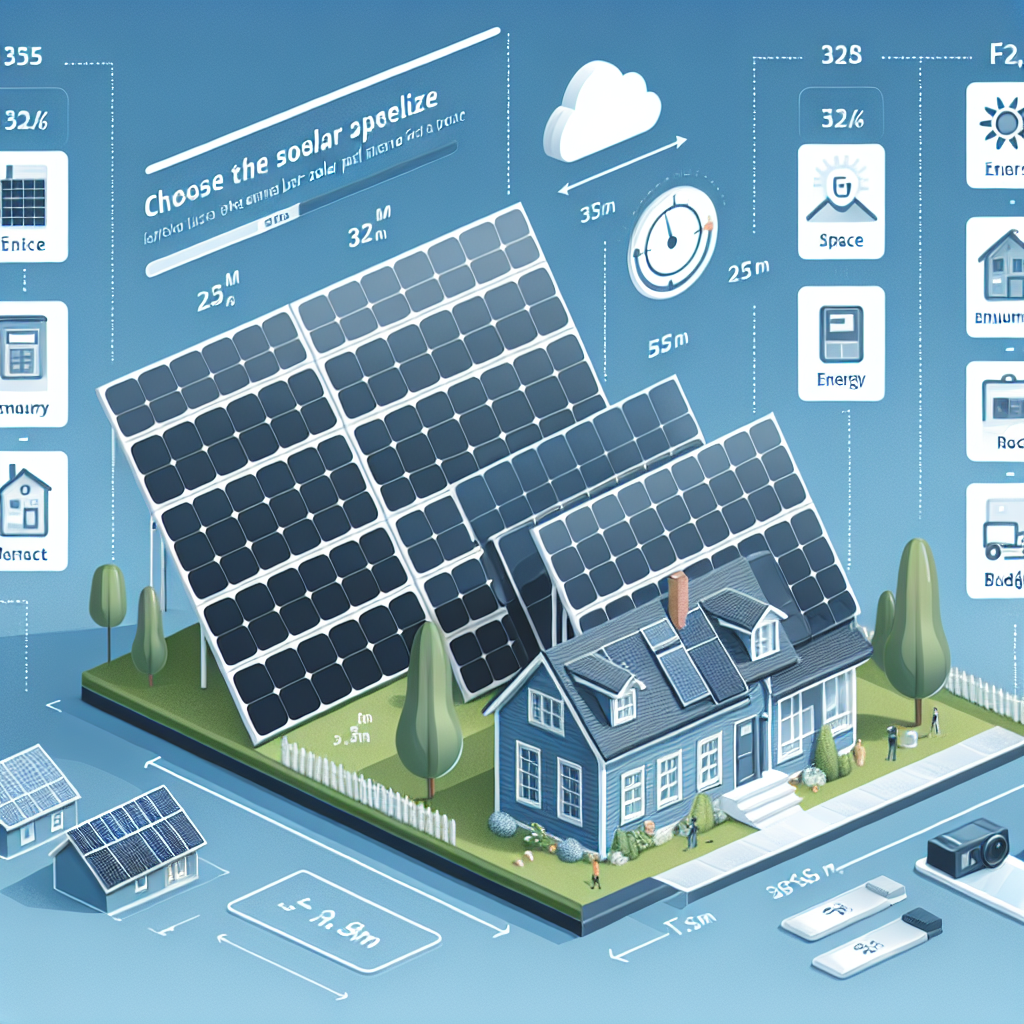
    Once you know your roof’s million-dollar details, it’s all about space! Each solar panel takes up a certain amount of square footage, and you need to calculate how many you can fit based on your energy consumption needs. Here’s where the measuring tape comes in!

    Sketch out your roof layout and start plotting where panels could go. I divided my roof into sections so I could visualize how many panels could fit while keeping in mind aesthetic appeal. We all want our homes to look good, right?

    Don’t forget to leave some room for maintenance access. You never know when a bird decides to drop by, and getting those panels cleaned should be straightforward!

    Consider Ground vs. Roof Installation

    If your roof isn’t conducive to installation (or maybe you just want a different look), there’s always the option of ground-mounted panels! This alternative allows for more flexibility in terms of positioning and angle.

    However, it does require more space—think about your yard or property size. You’ll also want to engage with your local regulations and HOAs because they sometimes have restrictions on how those ground arrays can look.

    The beauty of ground-mounted panels is that you can often tilt them to maximize performance, much easier than a fixed roof setup. Do some soul-searching to see what vibe works best for you and your property!

    Calculate the Right Number of Panels

    Determine Your Panel Output

    Now that we’ve dug deep into your energy needs, space, and all that, let’s talk numbers—the fun part! Each solar panel has a specific wattage, with the average being around 300 watts. You need to know how these panels fit into your overall energy goals.

    To calculate how many panels you need, divide your total energy consumption (remember that kWh figure we tracked?) by the panel output, adjusted for those peak sun hours we discussed. It sounds complicated, but once you get it down, it’s like riding a bike.

    You want to ensure you’re not overspending on unnecessary panels—nobody wants to pay for more than what’s needed!

    Assessing Panel Efficiency Ratings

    Here’s where I lean into my inner nerd: the efficiency ratings of your chosen solar panels matter! Higher efficiency means more energy production per panel, so if you’re tight on space, you might want to invest in panels with higher ratings.

    It’s a balancing act between efficiency, price, and the space you have available. Don’t forget, though, that some reputable brands may offer slightly lower efficiencies at a better price. So research, research, research!

    This decision is like a lifelong commitment: do your homework and make sure you’re getting something that’s worth the investment, so you don’t regret it down the line!

    Consulting with a Professional

    When in doubt, consulting with a solar professional can be invaluable! They can bring everything we’ve talked about together into a cohesive plan that suits your unique situation.

    I know it may seem like an added expense, but getting that expert eye can save you heaps of money in the long run. They’ll help you calculate and recommend adjustments based on their experience that you might not have thought of!

    Plus, they can handle permits and local regulations—those administrative hurdles that can take up so much time and energy. Don’t underestimate the power of expert guidance!

    Budgeting for Your Solar System

    Understanding Solar Panel Costs

    Let’s talk cash—budgeting for your solar system is a significant step! Costs can range widely depending on panel efficiency, brand, and installation complexities. It’s crucial to have an understanding of what you’re working with.

    Generally, the average cost of solar panels ranges from $15,000 to $30,000 before any tax credits or incentives. Knowing this, set a budget range you’re comfortable with. I aimed for the lower end and was quite pleased with the results!

    Also, many financing options are out there—so if the upfront cost seems daunting, don’t fret! You can look into loans or leasing options that can fit your financial situation better.

    Exploring Incentives and Rebates

    The world of solar incentives can feel overwhelming, but honestly, it can be a game-changer for your budget! Many states and local governments offer rebates or tax credits aimed at encouraging solar installation.

    In the U.S., the Federal Investment Tax Credit (ITC) allows you to deduct a certain percentage from your federal taxes, which can significantly lower costs. Doing a bit of homework here could save you a chunk of change.

    I recommend checking the Database of State Incentives for Renewables and Efficiency (DSIRE) to uncover what’s available in your area. Every dollar counts, right?

    Long-Term Savings Considerations

    Finally, factor in the long-term savings. It’s easy to get caught up in the initial expenses, but think about how solar panels can lead to substantial savings on your electricity bills over time.

    I was shocked at the difference on my bills after going solar. With careful calculation, many homeowners find that their panels pay for themselves over the years, sometimes even doubling their investment.

    Make sure to consider the lifespan of the panels, usually around 25 years. Factor that into your overall budget to see a fuller picture of how much you might save in the end!

    FAQ

    1. How do I calculate my energy consumption?

    Look at your utility bills over the last year to identify average monthly kWh usage. You can also add up the energy consumption of individual appliances if you want to get specific.

    2. What are peak sunlight hours?

    Peak sunlight hours refer to the time when sunlight is most direct and strongest for energy production. This varies by location, typically ranging from 4 to 8 hours a day!

    3. What if my roof isn’t suitable for solar panels?

    No worries! You can consider ground-mounted solar panels instead. They can be installed in your yard and are flexible in positioning and installation.

    4. How much do solar panels cost?

    The cost of solar panels can vary widely, but expect an average range from $15,000 to $30,000 before tax credits or incentives.

    5. Are there incentives available for going solar?

    Absolutely! Many states offer incentives, tax credits, and rebates to encourage homeowners to install solar panels. Check local resources and the DSIRE website to find what’s available in your area.

  • The Best Practices for Solar Energy Use at Home

    The Best Practices for Solar Energy Use at Home

    Maximize Solar Panel Placement

    Evaluate Your Roof

    When I first decided to go solar, the placement of panels on my roof was crucial. I learned that a south-facing roof often gets the most sunlight throughout the day. This is really key if you want to get the most out of your solar system. It’s worth getting up there and measuring which areas catch the most sunlight, or even hiring a pro to help assess it.

    Don’t just consider the angle of your roof but also nearby trees or tall buildings. These can create shade and reduce efficiency. I had to trim a few branches to ensure my panels wouldn’t be shadowed during peak sunlight hours. It made a noticeable difference!

    Also, think about future growth. If there are young trees nearby, it might be worth planning for their growth in the years to come. You want to set yourself up for success down the line, not just today.

    Understand Local Regulations

    When I first jumped into the solar game, I thought it was just about installation. But boy, was I wrong! Each place has its own rules about solar panel installation. Researching local regulations is something I wish I had prioritized earlier.

    For instance, there can be zoning laws that dictate how tall your panels can be or if they’re allowed at all. And don’t forget about permits! I learned this the hard way when I had to halt my project to apply for permits. Make your life easier by checking this before you start.

    Additionally, some homeowners’ associations have their own set of rules that might restrict where or how you can put solar panels. It’s vital to know these things upfront so you don’t run into headaches later on.

    Optimize Your Angle

    Another lesson I learned was about the angle of the solar panels. Did you know that the tilt can hugely influence how much power you generate? I initially thought “flat is fine,” but found out that a tilted angle can help capture sun rays more efficiently.

    If your roof allows for it, adjust the panels to catch the sun’s rays directly, especially during peak hours. Then there are tools and apps that can help you figure out the best angle based on your location.

    And if you’re feeling extra ambitious, consider whether adjustable mounts might be right for you. They can be a bit pricey, but the boost in efficiency can make it worthwhile in the long run.

    Choose the Right Solar Technology

    Understand Different Panel Types

    Picking the right kind of solar panel can really affect how your system works. Initially, I was just drawn to the shiny ones, but I got an education on the various types available. You have monocrystalline, polycrystalline, and thin-film panels, and each has its pros and cons.

    For my home, I ended up going with monocrystalline panels because they’re known for higher efficiency rates. They might be a bit pricier, but their performance in limited space really paid off. Be sure to weigh your options based on your home’s specific needs.

    Also, check the warranties that come with different panel types! High-quality panels often come with long warranties, which is always a good indicator of their lifespan and reliability.

    Inverter Options Matter

    I neglected to pay enough attention to the inverter when I first installed my system. That’s the gadget that converts the sun’s energy into usable electricity for my home. So, there are string inverters, microinverters, and power optimizers, and each works in different ways.

    For instance, I chose microinverters because they maximize production – even if one panel is shaded, the others will still perform well. I had to weigh my budget and needs, but it turned out to be a smart move!

    Take a hard look at how you’ll want to configure your solar system and chat with your installer about the best fit for your setup. Sometimes cheaper isn’t always better; it could end up costing you more down the road.

    Battery Storage Solutions

    Solar batteries were something I didn’t fully appreciate until I started using them. These beauties store excess energy generated by your solar panels. This means you can keep the lights on even when the sun goes down, or during a power outage, which is a huge win!

    I initially thought a battery setup might be overkill for my small home, but after seeing the difference in reliability, I wish I had done it sooner. Some batteries even allow you to optimize energy use during peak rate times, which can lead to significant savings over time.

    Researching various battery options is essential. Each battery type can offer different storage lengths and discharge rates. Consult with experts, but also consider your own energy habits and needs when choosing the right one!

    Implement Energy Efficiency Practices

    Seal and Insulate Your Home

    A couple of months after my solar panels went up, I realized they weren’t the only part of the equation. Energy efficiency is just as important! Sealing up drafts around windows and doors made a noticeable change in my power consumption.

    When I went through my home, I was shocked at how many little gaps I found. I snagged some caulk and insulation strips and went to town. After sealing everything up, my energy bills dropped significantly, even in extreme weather.

    It’s super satisfying to know your home is cozy and efficient, all while working with your solar setup. Trust me, it’s not just about generating energy; it’s also about not wasting what you’ve got!

    Upgrade Appliances

    I found it hard to part with some of my old reliable appliances, but hot dang, a switch to energy-efficient models made a world of difference! Appliances with the ENERGY STAR label can use significantly less electricity, which means you’ll lower your demands on your home’s solar system.

    For example, my old fridge was a real energy guzzler. After switching to a more efficient model, I could literally see the difference on my energy bills. Plus, many modern appliances now come with smart technology that can help optimize how and when they use energy!

    When upgrading, consider your lifestyle too. Some models may have features that align perfectly with your needs, like smart controls or low energy use during peak times. Sustainable choices can lead to substantial savings.

    Monitor Your Energy Use

    Kicking off my solar journey included some eye-opening moments about my energy usage. I started to analyze where my power was going using monitoring systems. It’s surprisingly humbling when you realize how much energy you waste on unnecessary things!

    By using monitoring apps that sync with my solar system, I not only saw my energy production but also what was using the most energy. The insights helped me make smarter decisions, like running the dishwasher later in the day when the solar output was high.

    The cool thing is you can also set goals and alerts to keep on track. It’s a nifty way to engage with your energy use and incentivizes good habits. Plus, you’ll feel pretty proud seeing not only your solar production but the savings stacking up!

    Take Advantage of Incentives and Rebates

    Know Available Incentives

    I won’t lie – when I learned about the tax credits for solar installation, it was like Christmas came early! There are tons of programs out there at both local and federal levels that can help offset the costs associated with going solar.

    Make sure you do your homework to find out what’s available in your area. From tax rebates to state-funded programs, knowing where to look can save you a bundle and make the transition smoother.
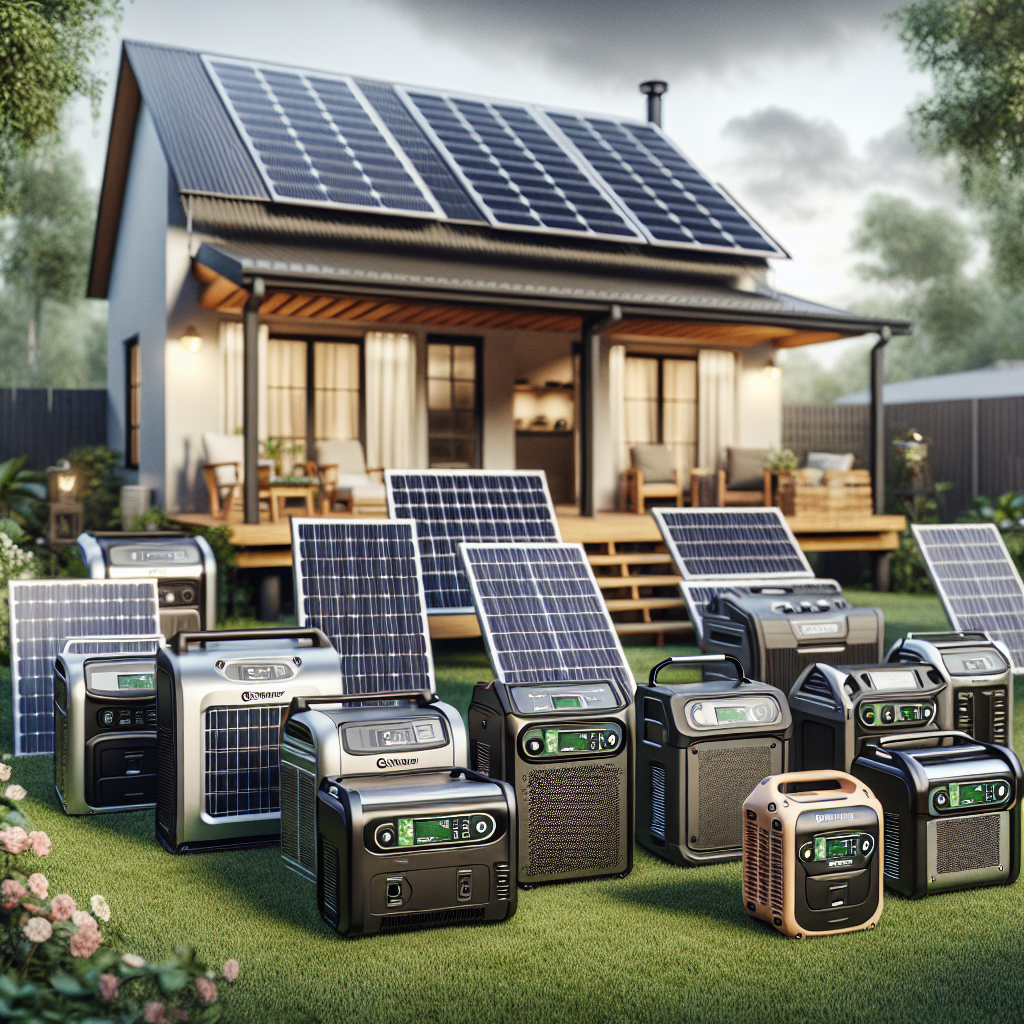
    Plus, some utility companies even offer rebates for installing solar panels, or they can provide credits for energy you send back to the grid. Sweet deal, right? Don’t miss out – every bit helps!

    Consult with Professionals

    In my early days of getting solar set up, I learned the value of consulting with a pro. There are so many variables when it comes to installation, financing, and maintenance that having an expert on your side is a lifesaver.

    I can’t stress enough how invaluable it is to get a personalized consultation. These folks will tailor solutions that fit your home’s unique needs and walk you through the incentives you might qualify for.

    Plus, they often have insider knowledge about any recent changes in regulations or programs that you might not have heard about. Trust me, avoiding any unexpected surprises down the line is worth the initial investment of consulting!

    Stay Updated on Changes

    Staying connected with the latest in solar tech and policy changes is key to making the most out of your system. After my installation, I signed up for newsletters and joined online communities that focused on solar energy.

    These platforms keep you in the loop about new state incentives, updates to technology, and even methods of optimizing your solar energy use. It’s inspiring to see success stories from others and utilize that knowledge!

    Keep in mind that the solar landscape is always evolving, so continually educating yourself can result in better savings and efficiency. Remember, being proactive pays off!

    FAQ

    1. How do I know if my home is suitable for solar panels?

    The best way to determine suitability is to evaluate your roof orientation, angle, and shading from trees or buildings. Consulting with a professional installer can also provide you with insights based on your unique situation.

    2. What incentives can I apply for when installing solar panels?

    Incentives vary by location, but common ones include federal tax credits, state rebates, and utility incentives. Check with local energy authorities or the Database of State Incentives for Renewables & Efficiency for detailed information.

    3. Are solar batteries worth the investment?

    Solar batteries can be a great investment if you’re keen on maximizing your energy independence. They store excess energy for use during peak times or outages and can help you save on energy costs over time.

    4. How can I make my home more energy-efficient alongside solar energy?

    Simple steps like sealing leaks, upgrading to energy-efficient appliances, and monitoring your energy use can enhance your solar system’s effectiveness. Small changes make a big impact!

    5. Is it necessary to hire a professional for solar installation?

    While DIY can be tempting, hiring a professional ensures that everything is installed correctly and safely. They will also navigate regulations, permits, and any available incentives, which can save you time and hassle.

  • The Latest Trends in Home Solar Energy Systems

    The Latest Trends in Home Solar Energy Systems

    1. Increased Energy Efficiency

    Understanding Energy Efficiency in Solar Systems

    One of the coolest things I’ve noticed recently in the home solar energy scene is the emphasis on energy efficiency. When I first got into solar, it seemed like just slapping some panels on your roof would do the trick. But now, manufacturers are focusing on maximizing the amount of power generated from each panel. This means better technology that converts sunlight into electricity more effectively.

    For example, many systems are now incorporating microinverters or power optimizers. These nifty devices help optimize the performance of each solar panel individually rather than relying on the performance of the whole system. If one panel is shaded or dirty, it doesn’t drag the rest down with it. That’s a game changer for anyone serious about minimizing energy waste.

    Additionally, with the rise of smart home technology, homeowners are now able to monitor their energy consumption in real-time. Understanding when you use the most energy allows for better management and helps to save on costs over time. It’s like having a personal coach for your energy consumption!

    2. Battery Storage Solutions

    The Shift to Home Battery Systems

    Ah, battery storage! This is a trend that’s truly groundbreaking. I remember the days when solar systems were just for generating power during the day. But with advancements in battery technology, we can now store that excess power for use at night or during outages. It’s a real peace of mind knowing I can still keep my lights on, even when the grid goes down.

    Modern battery systems like the Tesla Powerwall or LG Chem Resu are being adopted by more and more homeowners. These units can store energy generated during the day and release it when needed, which means you can make the most out of your solar setup. No more depending on the utility company – I’m all about that independence!

    Plus, battery technology is continually improving, allowing for more power to be stored in smaller and more efficient packages. A few years back, I had to choose between capacity and space; now, I don’t have to worry about it. It’s pretty neat and keeps my home running seamlessly.

    3. Smart Solar Technology

    Integrating Smart Home Systems with Solar Energy

    Okay, so let’s talk tech! Smart devices are changing the way we think about energy consumption and solar systems. I love the way smart technology is being integrated into solar systems nowadays. We’re talking about solar panels that can automatically adjust their orientation to capture the most sunlight or tracking devices that follow the sun across the sky.

    I’ve also been able to sync my solar energy system with home automation technologies. This means my smart thermostats, lights, and appliances are all connected, allowing me to schedule energy usage when my solar panels are most productive. Trust me, it’s a total game changer having that kind of control!

    Moreover, smart inverters are enhancing the reliability of solar power. They help in managing the flow of energy and ensure that the grid remains stable. It makes the entire solar experience so much smoother and gives me the ability to manage my home’s energy needs better than ever before.

    4. Community Solar Programs

    The Rise of Shared Solar Initiatives

    Have you guys heard about community solar programs? These initiatives are fantastic for individuals who may not have the means to install solar panels on their own roof, or for those who live in apartments or condos. It’s like being part of a solar club! In community solar, you can buy into a shared solar farm and benefit from the collective energy produced.

    From my experience, these programs allow homeowners to receive credit on their electricity bills based on the energy generated by the farm. It’s a win-win situation for everyone involved – more people get access to clean energy without the upfront costs of personal solar installations.

    Living in a community solar initiative also brings people together with a shared purpose of sustainability. I love hearing about the positive impacts these programs are having on local economies, as they create jobs and encourage more renewable energy practices. It’s really heartwarming to see so many folks gathering around a good cause!

    5. Government Incentives and Policy Changes

    Staying Updated with Solar Energy Policies

    Last but definitely not least, we can’t ignore the role of government incentives that boost the solar energy sector. In the past few years, I’ve noticed an increase in tax credits and rebates for homeowners looking to install solar energy systems. It’s super encouraging! Every little bit helps; that tax refund can go a long way toward covering installation costs.

    Policy changes are also making it easier for homeowners to choose solar. Many states are implementing net metering policies that allow you to sell excess energy back to the grid. I’ve seen the impact this has on household bills, and it’s a brilliant way to encourage renewable energy use.

    It’s essential to stay informed about these changes, as they can differ significantly from state to state. Regularly checking with local renewable energy authorities will help you navigate the world of solar energy incentives, ensuring you take full advantage of what’s out there.

    FAQ

    1. What are the main benefits of solar energy systems for homes?

    The main benefits include reduced electricity bills, increased property value, and positive environmental impacts by relying on renewable energy sources.

    2. How do battery storage systems work with solar energy?

    Battery storage systems store excess energy produced by your solar panels during the day. You can then use this stored energy during the night or during power outages.

    3. What is community solar, and how does it work?

    Community solar allows multiple customers to share the benefits of a solar power installation. Participants can buy into a shared solar farm, receiving credits on their electricity bills based on the energy generated.

    4. Are there government incentives for installing solar systems?

    Yes! Many states offer tax credits, rebates, and incentives to encourage homeowners to install solar panels and adopt renewable energy practices.

    5. How can smart technology enhance my solar energy system?

    Smart technology can integrate with your solar system to optimize energy production and consumption, allowing better management of energy use and improving efficiency through real-time monitoring.

  • How to Make the Most of Your Home Solar Investment

    How to Make the Most of Your Home Solar Investment

    Understand Your Energy Needs

    Assess Your Current Energy Consumption

    So, first things first, I had to figure out how much energy my household actually consumed. It’s surprising how quickly those little gadgets can rack up the electricity bills. I went through my past utility bills and noticed patterns over the months—­seasons, holidays, and all that jazz. This step is key because it helps you figure out how much solar power you need to generate.

    Next up, I took a mental (and literal) inventory of all the major appliances and devices in my home. Do I really need to run that power-hungry air conditioner all summer? Or could I save some cash by opting for a more energy-efficient model? Understanding this sets the foundation for my solar investment.

    Once I had a solid grasp on my energy usage, I set goals. Maybe I’d like to produce enough solar energy to cover 80% of my needs instead of going fully off-grid. This gave me a clearer picture and made the whole investment feel more manageable and achievable.

    Choose the Right Solar System

    Types of Solar Panels

    Alright, now that I’ve got my energy needs mapped out, it’s time to dive into choosing the right solar panels. Trust me, I spent hours researching this! There are three main types: monocrystalline, polycrystalline, and thin-film panels. Monocrystalline panels are usually more efficient but come with a higher price tag.

    Polycrystalline panels are a solid choice as well—they’re less expensive and still do a decent job. Thin-film panels? They’re more affordable but are typically less efficient, so I had to weigh my options. Each type has its pros and cons, and it’s all about what suits my situation best.

    Most importantly, I learned that efficiency ratings matter. I looked for panels with at least a 15-20% efficiency rating. Higher efficiency means less space taken up on my roof and more solar energy generated during the day.

    Consider Installation Options

    DIY vs. Professional Installation

    With so much info on solar systems, I had to decide how I’d get the panels on my roof. The DIY route crossed my mind—it sounded fun and would save some cash. However, after reading up and watching how-to videos, I realized the technical work involved could be a bit overwhelming.

    Ultimately, I opted for professional installation, and it was totally worth it. The installers took care of all the permits, inspections, and tricky wire connections. Plus, I got to sit back and enjoy a nice cup of coffee while they did all the heavy lifting!

    Having paid professionals also meant I could leverage their experience. They understood my roof’s layout and angles, helping me maximize sunlight exposure. Honestly, I felt pretty good knowing I made the right call on this one.

    Take Advantage of Incentives

    Federal and State Tax Credits

    When I decided to install solar panels, I didn’t just think about the long-term savings on my energy bills—I also looked into financial incentives offered by the government. Did you know that the federal solar tax credit can cover a generous chunk of your installation cost? It was a game changer for me!

    I dug into local and state programs as well. Some states offer additional rebates, low-interest loans, or even grants for solar projects. Honestly, it took a bit of digging, but the savings were so worth it. It’s money I could invest in upgrading my system or even putting towards another home project.

    Staying updated on these incentives is super important. Laws change, and new opportunities pop up every year. Signing up for newsletters or following relevant social media accounts helped me stay ahead of the game and snag every dime I could.

    Monitor and Maintain Your System

    Regular Check-Ups

    Alright, I’ve got my solar panels up and running, but my job doesn’t just stop there. To really milk the investment, routine check-ups are essential! I started out by setting reminders every few months to clean the panels and inspect for any debris that might be blocking the sunlight.

    Monitoring software came in handy too. I can check how much energy my system generates daily and spot any potential issues. If I noticed a dip in production, it was time to investigate—maybe there’s dirt or maybe something’s off with the inverter. Staying proactive means fewer headaches down the road.

    Lastly, I made sure to schedule a professional inspection annually. It’s a small price to pay for peace of mind. Technicians can catch issues I might miss and perform any upgrades that could boost efficiency, keeping everything running smoothly!

    Frequently Asked Questions

    1. How do I know if my home is suitable for solar panels?

    A great starting point is to evaluate your roof’s orientation and shading. Ideally, you’ll want a south-facing roof with minimal shade. You can also contact a local solar provider for an assessment.

    2. What’s the average cost of installing solar panels?

    The cost can vary widely based on your location and the size of your system, but it typically ranges from $15,000 to $25,000 before incentives. However, don’t forget about those tax credits!

    3. Can I still get solar if I live in a cloudy area?

    Absolutely! Solar panels can still generate energy even on cloudy days. Technological advancements have made them more effective in various weather conditions.

    4. How long does the installation process take?

    Generally, it could take anywhere from a few days to a couple of weeks, depending on the complexity of your system and local permitting processes. Once the permits are sorted, the actual installation goes pretty quickly!

    5. What happens if I produce more energy than I need?

    If you generate more energy than you consume, many utility companies allow you to sell that excess back to the grid through net metering. This can help offset your electricity costs even further!

  • The Essentials of Home Solar Power Maintenance

    The Essentials of Home Solar Power Maintenance

    Hey there! If you’re like me and have jumped on the solar power bandwagon, you probably know that keeping those solar panels in tip-top shape is crucial for them to perform their best. Let’s dive into five essential areas that we need to cover when it comes to maintaining our home solar power systems.

    Regular Cleaning

    Understanding the Importance of Cleaning

    First off, let’s talk about why cleaning is so important. Dust, dirt, and bird droppings can accumulate on solar panels and block sunlight. Think about it: If your panels are dirty, they won’t be able to do their job efficiently. Just like we need to clean our homes, our solar panels need a bit of TLC too.

    From my experience, having clean panels can boost their efficiency significantly. Regular cleaning not only helps maintain performance but also extends their lifespan. So remember, a little scrubbing goes a long way!

    Plus, cleaning your panels is a great excuse to get outside—just be careful not to let your neighbors catch you on the roof!

    How Often Should You Clean?

    So, how often should we be cleaning these bad boys? Well, it really depends on where you live. If you’re in a particularly dusty area or have lots of bird activity near your home, you might need to clean them more often—perhaps every month.

    On the other hand, if you’re in a rainy area, nature might take care of it for you. Rain can wash away some of the grime, but that doesn’t mean we can slack off entirely. I usually do a thorough clean every few months and inspect them regularly.

    Regardless of the frequency, getting into a routine can help you stay on top of this task without feeling overwhelmed.

    Safe Cleaning Methods

    When it comes to cleaning, safety is key! I always recommend using a gentle approach. A simple hose down with water might be all you need. For tougher grime, a sponge with soapy water works wonders—but avoid anything abrasive that could scratch those panels.

    If you’re climbing up to clean your panels, make sure you’re safe. A sturdy ladder and maybe even a buddy to keep an eye on you can make a world of difference.

    Remember, while it might be tempting to do it yourself, hiring a pro isn’t a bad idea either. They have the right tools and know-how to get the job done properly.

    Inspection of Components

    The Importance of Regular Inspections

    Next up is inspecting the components of your solar power system. Trust me, this isn’t just checking the panels; it’s about looking at the entirety of the system. Regular inspections can help catch any minor issues before they turn major.

    A good practice is to inspect your inverter, batteries, and even the connections. I like to do this about twice a year, paired with cleaning days. This way, I ensure everything is functioning smoothly.

    Not only does this prolong the life of your system, but it also gives you peace of mind knowing that everything’s working as it should be.

    Checklist for Inspections

    When you’re inspecting, having a checklist can be helpful. Make sure you check the electrical connections for any wear and tear, look for shading that may affect performance, and check your inverter’s display for any error messages.

    I often jot down any changes or observations. This keeps a record and helps me see how the system’s performance changes over time. Plus, it’s just nice to have that documentation for peace of mind.

    That said, if you notice anything concerning, don’t hesitate to call in a technician. Getting a second opinion can save you the trouble down the line.

    Pay Attention to the Inverter

    Your inverter is crucial—it converts the energy collected by the panels into usable electricity. If it’s not working properly, your whole system is affected! Keep an eye on the performance indicators regularly. If you see a drop in performance, chances are your inverter is struggling.

    I’ve had instances where a simple reset solved the issue, but it’s good to be cautious. I make sure to familiarize myself with the inverter manual so that I know what to look for.

    If problems persist, make sure you consult with a professional. Better safe than sorry!

    Monitoring Performance

    Understanding Your Solar Production

    Monitoring performance is a big one! Keeping track of how much energy your system produces can tell you a lot about its health. Most systems come with monitoring apps or tools that allow you to see this data in real-time. Utilize them!

    For me, having that insight has helped pinpoint issues quickly. If you see a dip in production that doesn’t match up with weather conditions, there could be something wrong.

    Regularly reviewing your performance also helps when it comes to knowing if adjustments are needed for peak performance—like trimming foliage that casts shadows on your panels.

    What to Expect from Your System

    It’s also essential to understand what your system is capable of. Each solar system is designed with efficiency in mind, but environmental factors can greatly affect this. I encourage everyone to familiarize themselves with expected production rates based on the seasons and locations.

    By understanding these aspects, I’ve been able to see when something is off faster—like when my production suddenly plummeted after some unexpected tree growth!

    So, get to know your solar potential. It helps you set realistic expectations and enables you to react quickly to any anomalies.

    Using Monitoring Tools

    Using monitoring tools can be a gamechanger. I found that using apps not only keeps me informed but also motivates me to keep my system well-maintained. Many apps provide alerts for performance deviations and can give recommendations for maintenance.

    Some smart homes even integrate solar monitoring via their home automation systems. It’s just another way to stay connected to your energy production.

    Honestly, it’s pretty cool to see how much energy I’m producing and, in turn, saving. Being aware makes me want to take better care of the system.

    System Upgrades

    Knowing When to Upgrade

    Eventually, you might find that your system needs an upgrade. Maybe your family has grown, and you need more energy—or you want to take advantage of technological advancements. Recognizing when to upgrade can maximize efficiency.

    From my experience, if your energy needs change or you’re not getting the performance you expected, it might be time to look into enhancements.

    In talking with solar professionals, I’ve realized that they can guide you on the best upgrades for your specific situation—everything from adding more panels to investing in a new inverter system.

    Researching New Technologies

    The solar technology market is always evolving. New panels are generally more efficient and can lead to better energy savings. Researching the latest in technology can be fun and can lead to significant benefits.

    In my journey, I’ve seen how things have changed and learned to keep my ear to the ground on the latest developments. Resources like forums, solar blogs, and even manufacturer websites are great for staying informed.

    If you’re not sure where to start, local renewable energy expos can be a goldmine for info and inspiration.

    Budgeting for Upgrades

    Of course, budgeting for upgrades is key. While enhancements can lead to more savings in the long run, they might require some initial investment. I suggest setting aside a bit of money regularly so that you’re prepared when those upgrades become necessary.

    Moreover, talk to your solar provider about potential financing options. Some companies offer packages or payment plans that can ease the upfront burden.

    Ultimately, investing in your system is investing in your home’s future. It’s worth considering the long-term benefits!

    Keeping Up with Warranty and Service Agreements

    Understanding Your Warranty

    Let’s wrap this up with warranties—this is crucial! Every solar system comes with a warranty, and understanding it can save you in the long run. I’m often surprised to find out how many people don’t fully utilize their warranties.

    Read through your warranty documents and keep them accessible. Knowing what’s covered and for how long ensures that if something goes wrong, you can address it without hefty repair costs coming out of your pocket.

    I’ve had a situation where one of my panels malfunctioned, but thanks to my warranty, I was able to get it replaced at no cost. It definitely pays to know what you’re entitled to!

    Service Agreements

    Service agreements can also be a lifesaver. Some companies offer regular maintenance checks as part of a service agreement, which is super beneficial for those who want to ensure everything’s working smoothly without having to think about it too much.

    I personally think this is worth it because professionals know what to look for and can catch issues before I even notice them. They work quickly and have the right tools. It’s like having a safety net!

    Plus, many service agreements come with additional perks like discounts on future upgrades or repairs.

    Documenting Everything

    Lastly, keeping detailed records is vital. Keep all warranty documents, service records, and notes from inspections together. This helps maintain a clear history of your solar system, making it easier to address any issues or future upgrades.

    I find it really handy if a repairer or inspector needs to see what’s been done before or what’s currently in play with my system. Documentation is a huge advantage, so get it organized!

    And who knows? Having a well-kept record can even enhance the resale value if you ever decide to sell your home!

    Frequently Asked Questions

    1. How often should I clean my solar panels?

    It really depends on your local conditions. If you live in a dusty area or have lots of birds, cleaning every month may be necessary. For most, every few months is enough!

    2. What should I look for during an inspection?

    During an inspection, check the panels for dirt, the inverter for performance errors, and wiring for any signs of wear. Also, consider any shading from nearby trees or structures.

    3. How do I know if my inverter is working properly?

    Your inverter should have performance indicators. If you notice a drop in energy production or any error messages, it could mean your inverter needs attention. It’s always good to familiarize yourself with its manual!

    4. When should I consider upgrading my solar system?

    If you find that your energy needs have changed, if you want to expand your system, or if newer technology is significantly more efficient, it might be time to upgrade.

    5. What’s the importance of keeping documents related to my solar system?

    Documenting warranties, service agreements, and maintenance records helps you manage issues effectively and can enhance your system’s resale value if you sell your home in the future.

  • How to Transition Your Home to Full Solar Power

    How to Transition Your Home to Full Solar Power

    Assess Your Energy Needs

    Understanding Your Current Consumption

    Before diving headlong into the world of solar energy, it’s super important to understand how much energy you’re currently using. Take a peek at your electricity bills over the past year and look for trends. Are there months when your usage spikes? Maybe summer with all that air conditioning? Knowing your average monthly usage is the first step in sizing your solar system.

    Not only should you look at the monthly numbers, but also consider the hours during which you use the most electricity. Perhaps you run your dishwasher late at night or fire up all the LEDs in your home for movie night on Fridays. It helps to have a clear picture of your energy patterns.

    Also think about how many appliances you have running at any given time. Do you have high-energy uses like pool heaters or electric vehicle chargers? This understanding will dictate how much solar power you’ll need to produce to keep everything running smoothly!

    Future Projections

    Now that you’ve looked at your current consumption, it’s time to think about the future. Are you considering any major changes like adding electric vehicles or expanding your family? Having a baby or buying an electric car can significantly change your energy needs.

    Try to forecast your energy usage a bit. You can use a conservative estimated increase to account for future appliances or lifestyle changes. This way, you won’t end up with a system that’s too small down the road.

    Additionally, keep in mind that energy prices are usually on the rise, which means your traditional electricity costs will likely climb. Investing in solar now can save you a lot down the road as you won’t be as affected by these price increases.

    Conducting an Energy Audit

    Another smart step before going solar is to conduct an energy audit. This could be as simple as doing it yourself or hiring a professional. An audit will help to identify areas where you can improve energy efficiency in your home.

    Look for things like drafty windows, inefficient appliances, and insulation issues. Even small changes can add up to significant savings and can make your future solar system work even more efficiently.

    A good audit not only prepares you for solar energy but also gives you insight into how to lower your energy bills in the here and now. It’s a win-win if you ask me!

    Research Solar Options

    Types of Solar Systems

    There’s a whole world of solar technologies out there! At the basic level, you’ll want to choose between grid-tied systems, off-grid systems, and hybrid systems. Grid-tied systems connect with the utility grid while off-grid means you’re living it up totally independent.

    If you choose a grid-tied system, you benefit from net metering, which might allow you to sell back excess energy. That’s pretty sweet because it means some months you might actually get a check from your utility company!

    On the other hand, if you’re all about that off-grid life, you’re looking at battery storage and energy independence which can be super rewarding, but let’s be real, it often requires a bigger upfront investment.

    Solar Panel Types

    You’ll be faced with three main types of solar panels: monocrystalline, polycrystalline, and thin-film. Monocrystalline panels tend to be more efficient but are pricier. If space is limited, they might be the way to go.

    Meanwhile, polycrystalline panels are typically cheaper but can take up more room for the same power output. And then there’s thin-film, which can be flexible and lightweight but usually has the lowest efficiency overall.

    Understanding the trade-offs with these types will help you pick the right ones that suit your roof and energy needs!

    Finding a Reputable Installer

    After you’ve done your research, the next big step is finding a trustworthy solar installer. I can’t stress enough how crucial this step is! Reach out to multiple companies, read reviews, and check their certifications.

    A good installer will not only help with the logistics but will also provide you with valuable insight on the best solar options for your home. Don’t hesitate to ask questions; after all, your future solar energy needs are at stake!

    Also, look for companies that offer warranties and ongoing support. Solar isn’t a set-it-and-forget-it situation, and having someone to turn to if issues arise is invaluable.

    Financing Your Solar System

    Understanding Your Options

    So, let’s talk cash! Solar panels can be a serious investment upfront. You have various options, from buying outright, financing, leasing, or even power purchase agreements (PPAs). Each has its pros and cons.

    If you’ve got the cash flow for an outright purchase, that usually gives you the highest return on investment in the long run. However, if you’re less liquid right now, financing or leasing options are definitely worth a look.

    A PPA is where you pay for the power generated rather than the panels themselves. This can be appealing if you don’t want the hassle of ownership but want access to solar power.

    Incentives and Rebates

    Don’t forget to hunt down available incentives or rebates that can lessen the financial blow. Federal tax credits, state incentives, and utility rebates can significantly reduce the upfront cost of your solar system.

    Keep in mind these incentives hop in and out, so do your homework on what’s currently available in your area. You really don’t want to leave free money on the table!

    Your local solar installer should also be able to guide you through the available incentives, but it doesn’t hurt to have your own knowledge too.

    Long-Term Savings

    Investing in solar isn’t just about saving a buck today; it’s about planning for your financial future. With solar panels, you can significantly lower your monthly electricity bills—and in some cases, eliminate them entirely.

    Over the life of the system, which is typically around 25 years, those savings can really add up. Plus, you’ll be protected from rising energy costs and even improve your home’s value! Talk about a win-win!

    So, every time you see that sunny day, you can smile knowing that you’re saving money while helping the planet. It feels good, right?

    Installation and Maintenance

    Scheduling Your Installation

    Alright, you’ve done your homework and picked out your installer—now it’s time for the actual installation. The scheduling might take a bit, so it’s good to plan ahead. Most installations can be completed in one to three days, depending on how many panels are installed and the complexity of the job.

    Scheduling can also depend on your installer’s availability, as well as any necessary permits from your municipality. Patience is key here, especially if you’re excited to start harnessing that sweet solar energy!

    Make sure to check the weather reports for the installation days as well. They’ll want clear skies to work efficiently!

    Post-Installation Inspection

    After everything is installed, there’s likely to be a post-installation inspection. This is meant to ensure that everything is up to code and working properly. Trust me; you want this to happen because it gives you peace of mind!

    Your installer should walk you through your system, help you understand how everything operates, and show you how to monitor its performance. Take notes because this part is super useful.

    If you notice anything weird after installation, don’t hesitate to reach out to your installer for adjustments. Solar power is a long-term investment, and everything should work as expected.

    Regular Maintenance Tips

    While solar systems are generally low-maintenance, there are some things you should do regularly. Ensure your panels are clean and free from debris! Dust, leaves, and snow can hinder performance.

    If you live in a reasonably dusty area, you may want to rinse them off occasionally. Just remember, safety first! If you need to get on the roof, call in the pros unless you’re comfortable doing it yourself.

    Also, keep an eye on your energy bills and solar production. If you notice a sudden dip in energy output, it might be time for a professional inspection to troubleshoot any issues.

    Monitoring and Troubleshooting

    Tracking Your Energy Production

    Once your system is live, monitoring becomes essential. Most modern systems come with apps or online portals that let you track production in real time. This is not just cool to watch; it can clue you into issues with your system.

    Make it a habit to check in regularly. Not only can it be rewarding to see how much energy you’re producing, but it also helps catch any drops in production early on before they become bigger problems.

    Plus, you can have fun comparing sunny days to not-so-sunny days with family and friends! It’s a great way to keep the excitement about solar energy alive.

    Common Issues

    If things aren’t working as planned, don’t panic! There are common issues that can arise, and many solutions are relatively straightforward. For example, if you see drops in productivity, check for shading. Trees or new construction could be the culprits.

    Also, keep an eye out for any physical damage. If you spot any cracks or damage to the panels or wiring, that’s something an installer should check out right away.

    As always, regular cleaning and maintenance can offset many minor issues. Make that investment pay off!

    When to Call the Professionals

    If you’re not tech-savvy or just want reassurance, don’t hesitate to call the pros. Issues like inverter malfunctions or unusual spikes in your energy usage can create confusion, and it’s better to be safe than sorry. Your installer should offer ongoing support.

    Sometimes the solution can be simple, but a trained eye will know best. Building a relationship with your installer can be a game changer. They should be here to support you even after the installation is complete.

    These are your panels, your energy, and your wallet—ensuring they run smoothly is your priority. So, stay proactive!

    FAQs

    1. What is the average cost to transition to solar power?

    The cost varies depending on the size of your system and location, but on average, homeowners can expect to pay between $15,000 to $25,000 before incentives.

    2. How long does it take to install solar panels?

    Most residential solar installations take about one to three days, depending on the number of panels and your roof’s complexity.

    3. What happens if my solar panels produce more energy than I use?

    If you have a grid-tied system, you might be eligible for net metering, allowing you to sell excess energy back to the grid!

    4. Do solar panels require a lot of maintenance?

    Solar panels are generally low maintenance, but regular cleaning and occasional inspections are recommended to ensure optimal performance.

    5. Are there financial incentives for installing solar panels?

    Yes! There are federal tax credits, state incentives, and sometimes even local rebates available for solar installations, which can significantly reduce the upfront costs.

  • Smart Home Solar Integration Guide

    Smart Home Solar Integration Guide

    Understanding the Basics of Solar Energy

    What is Solar Energy?

    So, let’s dive right in! Solar energy is essentially energy from the sun that is harnessed using various technologies, like solar panels. Think of it as a gift from nature that can power up your home without filling up your utility bills. I remember when I first learned about it; I was blown away by how powerful those rays from the sun can be! Solar energy is not just a trend; it’s a clean, renewable source that can power everything from small devices to entire houses.

    As we grow more concerned about climate change, solar energy becomes a more appealing option. It’s like having your own little slice of sustainability right at home. Plus, the tech around it has come a long way. Not only can we capture and use this energy, but we can also store it for when the sun isn’t shining. Amazing, huh?

    So, how does it work? Simply put, solar panels convert sunlight into electricity. This process involves photovoltaic cells that create direct current (DC) electricity, which is then converted to alternate current (AC) for use in our homes. Understanding this basic concept is essential as we move deeper into how to incorporate solar into our smart homes.

    The Benefits of Going Solar

    Okay, let’s talk benefits! One of the coolest things about solar energy is that it can save you a ton of cash in the long run. Yup, I said it! After the initial setup costs, you’re looking at lower energy bills month after month. In my case, my electric bills have dropped significantly since installing solar panels. It’s like a mini-victory every time I check my bill!

    But savings aren’t the only perk. By going solar, you’re also reducing your carbon footprint. You’re making a conscious decision to do your part for the planet and chasing that greener lifestyle. It feels good to be able to say that I contribute to a cleaner environment. When my friends ask me about my solar setup, I can proudly tell them it’s helping reduce greenhouse gas emissions.

    We also can’t forget about energy independence. When you generate your own power, especially with a battery backup, you’re less stressed about rising energy costs or power outages. Trust me, it’s nice knowing that I’m somewhat shielded from utility price hikes. This ensures peace of mind, especially during the scorching summer days or unpredictable stormy nights.

    Myths about Solar Energy

    Now, let’s clear the air about some myths. One major misconception I stumbled upon early in my solar journey was the belief that solar energy only works in sunny regions. This couldn’t be further from the truth! Even on cloudy days, solar panels can capture some sunlight and generate energy. I mean, I live in a place where we have plenty of rainy days, and my solar system still performs well.

    Another myth to bust is the idea that solar panels require too much maintenance. Honestly, the upkeep is pretty straightforward—just a bit of cleaning to remove dirt and debris every now and then. When I first got my panels, I worried about maintenance, but it quickly turned out to be much less of a hassle than I anticipated.

    And, of course, there’s the belief that solar panels won’t pay for themselves. In reality, with available government incentives and ever-decreasing installation costs, most homeowners start to see returns on their investment in just a few years. I’ve had mine long enough to fully appreciate this; it’s like watching your money work for you!

    Choosing the Right Solar System for Your Smart Home

    Assessing Your Energy Needs

    When I first took the plunge into solar, I learned that assessing your energy needs is crucial. You don’t want to install a system that’s too small or unnecessarily large. Start by looking at your electricity bills over the past year to see how much energy you’re using monthly. It’s like doing a little audit of your own personal energy consumption.

    Also, think about your home’s layout and how many solar panels you might fit on your roof. I spent a weekend taking a close look at my roof’s orientation, checking how many hours of sunlight it receives, and that helped in planning my installation perfectly. It’s all about maximizing exposure!

    Finally, consider your future needs too. If you plan to get an electric vehicle or expand your family (and energy needs), factor that into your calculations. You’ll want a system that grows with you instead of getting stuck feeling cramped. It’s all about projecting positive vibes into the future!

    Researching Solar Options

    Next, it’s time to dive into research mode. You’ve got options. I remember being so overwhelmed by the sheer number of solar systems and brands out there. It’s important to take your time, compare the features, warranties, and efficiency rates. Talk about a rabbit hole!

    One approach I found super helpful was checking out online reviews and testimonials. These gave me real insight into how different systems perform over time. I even attended a few local workshops hosted by solar companies that allowed me to see systems up close and ask tons of questions.

    Consider the type of panels too—monocrystalline, polycrystalline, or thin-film. Each has unique benefits and costs, so weigh those according to your specific needs. My rule of thumb is to go for efficiency without breaking the bank, and this research phase was key in guiding my decision.

    Selecting an Installer

    Choosing a trustworthy installer was a biggie for me. Frankly, I was anxious about making the right pick because the installation quality affects how well your solar system performs. So I took my time here. I got recommendations from friends, checked online reviews, and even asked potential contractors for references.

    A good installer will assess your property, walk you through the systems they suggest, and help you navigate any permits and incentives. When I met with my installer, they took the time to explain every step of the process and made me feel comfortable. It was clear they were experts in their field, and it made all the difference!

    Once you feel confident with an installer, discuss warranties and guarantees. Make sure you know what’s covered and for how long. I always feel better knowing that I have a safety net should any issues arise down the road.

    Integrating Smart Technology with Solar

    Energy Management Systems

    Now, let’s talk tech! Integrating smart technology with solar is where the magic truly happens. Energy management systems help you monitor your energy production and consumption in real time. When I installed my system, I set up a nifty app that allows me to track production and see when I’m using the most energy throughout the day.

    This kind of insight is a game-changer. I can adjust my habits or run appliances during peak production hours, which can save even more on my bills! Having this level of control in my hands feels empowering, and I love showing off my sunny query results to friends!

    Plus, some of these systems even alert you if there’s an issue, ensuring you’re always in the loop. Knowing I’m always on top of my energy consumption helps me maintain that balance between comfort and cost-effectiveness.

    Smart Home Devices and Automation

    Who doesn’t love convenience? Integrating smart home devices with solar has made life around my house a breeze. For instance, I’ve got smart thermostats, lighting, and appliances that work in harmony with my solar energy. When the sun’s shining bright, my smart devices know to utilize that clean energy rather than relying on the grid.

    What happens is awesome automation! If bright sunlight is hitting my panels, my smart thermostat will kick the AC on to cool the house without dipping into grid energy. That’s when I feel like I’m living in the future! When I programmed my system to do this, it made a noticeable difference in how my energy consumption patterns shifted.

    Also, don’t forget to explore smart plugs and energy-efficient devices; they can be programmed to run at optimal solar production times. This means you can maximize solar energy usage without even lifting a finger. Who knew tech could be this fun and energy-efficient?

    Battery Storage Options

    Battery storage systems are quite possibly the cherry on top of your solar setup. These systems allow you to store excess energy produced during the day for use at night or during cloudy days. Having battery storage has been a game-changer for me, letting my home run on solar energy even after sunset!

    When looking into battery options, consider factors like capacity and discharge rates. Some systems let you run almost entirely off-grid, while others serve as backup power during outages. It’s about what fits your lifestyle! In my journey, choosing a battery meant weighing how much I wanted to rely on solar versus backup energy. After much thought, I opted for a system that lets me maximize my solar use.

    Once I invested in battery storage, I felt a newfound freedom. No more worrying about power outages or how high my utility bill could soar. It’s liberating to know I’m actively using what I generate myself and contributing to sustainability at the same time!

    Maintaining Your Solar System

    Regular Inspections and Cleaning

    Okay, so we’ve gotten through the setup; now let’s talk maintenance. One of the biggest parts of keeping your solar system in tip-top shape is performing regular inspections. I’ve set a reminder every six months to check for any dirt buildup on my solar panels. A quick rinse with a hose is often all they need, but it’s essential to keep them as efficient as possible.

    Also, look out for any shading from nearby trees or debris—especially after storms. I remember a massive storm bending one of my tree branches, and I had to call in a pro to trim it back. I didn’t want anything compromising my panel’s performance!

    In my experience, working with a skilled team for routine inspections is crucial. They not only check the panels but also evaluate the inverter and electrical connections to ensure everything is functioning properly. It’s definitely peace of mind that’s worth the investment.

    Monitoring System Performance

    Monitoring your solar system’s performance is key to maximizing your investment. I always recommend checking your performance data regularly! Like I mentioned before, my app tracks everything for me, from energy production to consumption trends.

    Using this data, I’ve been able to adjust my energy usage and save even more. I once noticed a drop in output during the winter months. That insight drove me to clean my panels and make sure everything was functioning well again. Knowing how to interpret this data can help you catch potential issues before they become major problems.

    If you see something off in the reports, don’t hesitate to call your installer. They can help you troubleshoot and figure out any necessary repairs or adjustments. Staying proactive really pays off!

    Taking Advantage of Incentives

    Last but not least, keep an eye out for any state or federal incentives for maintenance or upgrades. When I was setting up my system, I was amazed by how many rebates and tax credits were available to help offset costs. And you might find there are programs for maintaining and upgrading your system too!

    Checking with local officials or solar associations in your area can help you navigate this landscape. There are sometimes grants offered to encourage solar growth, and if your system needs upgrading, that might open new incentive doors. Knowledge is power in this area!

    By taking advantage of these incentives, it helps ensure you’re getting the most value out of your investment. I’ve felt great about my decision to go solar, and it’s a sweet spot to save money while doing what’s right for our planet.

    FAQ

    1. What is solar energy, and how does it work?
    Solar energy is energy from the sun that is captured using solar panels. These panels convert sunlight into electricity using photovoltaic cells.
    2. How much can I save by installing solar panels?
    Savings vary by location and energy usage, but many people see a significant reduction in their monthly energy bills after installing solar panels. It can help provide long-term savings that pay off the upfront investment.
    3. Do I need a battery for my solar system?
    While not necessary, having a battery allows you to store excess energy for use at night or during cloudy days, giving you more energy independence and peace of mind during power outages.
    4. How often should I clean and inspect my solar panels?
    It’s a good idea to clean your solar panels every six months and have them inspected at least once a year to ensure they’re operating efficiently.
    5. What kind of smart devices can I integrate with my solar system?
    You can integrate a variety of smart devices such as smart thermostats, smart plugs, and energy management systems to optimize your energy consumption and usage during peak solar production times.
  • Best Solar Batteries for Home Storage

    Best Solar Batteries for Home Storage

    Understanding Solar Battery Types

    Lithium-Ion Batteries

    Let me start with lithium-ion batteries, as they’re pretty much the rockstars of the solar battery world. They’re compact, efficient, and have a longer lifespan compared to other types. When I first switched to solar energy, I was amazed at how light and easy to install these batteries were! Their ability to store a large amount of energy is something that just can’t be overlooked.

    Moreover, these batteries can charge and discharge rapidly, which means they can crank out power when you need it the most. Imagine powering up your house during an outage; it’s like having your very own superhero! They also have a higher cycle count, which translates to better value for my investment over time.

    On the downside, I learned that they can be a bit pricey upfront. But with all the benefits, I found that the long-term savings and efficiency made it all worth it. If I were to recommend a battery type based on my experiences, lithium-ion steals the show!

    Lead-Acid Batteries

    Next up are lead-acid batteries, the older but still relevant players in the solar battery game. These are the OGs and come in two varieties: flooded and sealed. I’ve dabbled with sealed lead-acid batteries, and honestly, they’re like that dependable friend who always shows up in a pinch. They’re quite affordable and can work efficiently for residential uses.

    However, one thing that struck me was their weight. If you ever plan on moving these around, get ready for a workout! Their lifespan is generally shorter than lithium-ion, but I found that they still do a decent job for many households. If you’re on a tighter budget, this could be a solid choice—but keep an eye on their maintenance needs.

    In my journey, I realized that while they might not be as glamorous as lithium-ion, lead-acid batteries get the job done and can be a great option if you don’t mind the extra upkeep. If you value lower upfront costs, give these a thought!

    Saltwater Batteries

    Now, let’s get a bit more eco-friendly with saltwater batteries. These are relatively new in the market, and I find that they have some appealing qualities! Made from non-toxic materials, they’re safe for both the environment and human health, making my heart smile.

    Saltwater batteries are also sturdy and can withstand temperature extremes better than other batteries. I remember reading that their lifespan can match or even exceed that of lithium-ion ones, which is a huge win. They’re not as widely available, but every time I think about their sustainability, it gives me hope for cleaner energy solutions.

    The catch? Well, they can be a bit bulky and may not offer the same power density as lithium-ion batteries. However, if you’re passionate about a greener future, these batteries definitely deserve your attention. It’s like the planet is giving back for the choices we make!

    Factors to Consider When Choosing a Solar Battery

    Capacity and Energy Needs

    Understanding battery capacity is key. Essentially, it’s all about how much energy your home requires. I spent some time calculating my energy consumption to figure out the right capacity for my setup. It’s safer to overestimate a little so you’re not left in the dark during peak usage times. It’s all about that peace of mind, right?

    When I analyzed my energy needs, I realized that aligning the battery capacity with my solar system output made a huge difference. It allowed me to maximize efficiency and ensure I had enough juice to last through the night or in case of cloudy days.

    So, if you’re venturing down this path, grab a piece of paper and jot down your monthly energy consumption. Trust me, knowing your numbers helps tremendously and makes you feel so much more in control!

    Cost and Budget

    Ah, the money talk! One of the first things I had to assess was my budget. Electric services can put a strain on finances, so finding a battery that fits my budget was crucial. I quickly realized that while cheaper options are available, they might not offer the longevity and performance I wanted.

    In my experience, it helped to think long-term rather than just the upfront costs. You spend a little more to get a better battery, and that can translate into savings on utility bills. It’s basically an investment in my future energy independence.

    Every time I paid my electricity bill and saw the drastic cuts in costs, I felt even better about the money spent initially. So, approach the cost aspect with an open mind—consider what you’ll save in the long run!

    Warranty and Lifespan

    And finally, let’s chat about warranties. This is super important! When I purchased my first solar battery, I was keen on getting one with a decent warranty. It’s like the manufacturer saying, “Hey, we’ve got your back!” A good warranty generally indicates confidence in the product’s durability.

    The lifespan of the battery is also something to consider. When I was shopping around, I found that most lithium-ion batteries promised 10-15 years, while lead-acid ones offered around 5-10 years. That knowledge greatly influenced my decision!

    So, keep an eye out for warranties that match the battery’s lifespan. You don’t just want a battery that works well for a year and then fizzles out on you. It’s all about securing a reliable investment that acts like an old friend and sticks around for years!

    Top Brands in Solar Batteries

    Tesla Powerwall

    First up on the list is the Tesla Powerwall. When I finally got my hands on this beauty, I understood all the rave reviews! Tesla really packed a punch with its sleek design and impressive energy storage capacity. The installation was straightforward, and the app interface gave me total control and insights into my energy use.

    The Powerwall has also made a name for itself with features like grid resilience and the ability to integrate with solar panels. I love that I can monitor my energy consumption and production right from my phone. It’s like having a personalized energy manager in my pocket!

    However, I did notice the upfront costs might be a concern for some. But after experiencing the efficiency first-hand, it’s a trade-off I’d make any day. They are pretty much setting the standard for other brands!

    Sonnen Eco

    Next on my journey was the Sonnen Eco. This battery is fascinating because it focuses on sustainability and community energy sharing. When I installed it, I felt like I was part of something bigger than just my energy needs; it was about contributing to a greener future.

    The Sonnen Eco has a long lifespan and comes with great monitoring features as well—kudos for that! On top of that, it’s designed to be modular, so you can expand your system as your needs grow. It was seriously impressive, and I felt empowered with every use!

    The only downside? Well, it does come with a higher price tag. But hey, if you’re looking to contribute to sustainable energy efforts, it’s worth every penny. Plus, their customer support is top-notch, and that matters!

    LG Chem RESU

    Lastly, I want to mention LG Chem RESU. This one threw me for a loop because I didn’t expect such high performance from a brand that’s primarily known for electronics. When I installed it, I was blown away by its compact design and efficiency—it just fits conveniently in small spaces!

    The RESU series also supports a long lifespan and good warranty options, which made my decision easy. I felt confident that I wasn’t just throwing my money at something that would quickly fail!

    The price point is also competitive, so if you’re looking for reliable performance without breaking the bank, give LG Chem a solid look. You won’t regret it!

    Installation and Maintenance Tips

    Professional Installation

    First things first, consider getting a pro for installation. It might be tempting to do it yourself, but after my initial DIY attempt with another project, I quickly learned my lesson. A professional installer can ensure that everything is set up right from the get-go, which is crucial for overall performance.

    The right installer will also help you navigate those complex local regulations or permits, which can be a headache to deal with alone. It’s a bit of money to invest initially, but it pays off to avoid any potential issues down the line!

    Plus, knowing my system was set up correctly gave me peace of mind, allowing me to enjoy my solar energy without worries. Trust me, when it comes to investment tech, professional installation is the way to go.

    Regular Maintenance Checks

    Once installed, keep in mind that batteries, like your car, need some regular TLC too! I made it a point to schedule check-ups at least annually to ensure everything’s ticking along nicely. This means checking the connections, cleaning any dust that settles, and making sure there are no signs of wear.

    Being proactive with maintenance means that small problems can be caught early before they lead to bigger headaches. I remember a couple of times where I saved myself from major issues just because I kept my eyes peeled.

    Taking care of these big investments not only maintains efficiency but also extends their lifespan. You want your batteries to last, so give them the care they deserve!

    Monitoring System Performance

    Lastly, always keep an eye on performance metrics. Many modern batteries come with monitoring systems that are super helpful. The app on my phone has been a game-changer—it tells me when I’m producing and using power, and I can adjust my habits accordingly.

    I learned early on that understanding my energy usage patterns allowed me to maximize efficiency, positively affecting my bills and ensuring a reliable flow of energy. If you see fluctuations, don’t just shrug it off. Investigate! Your battery might be trying to tell you something.

    Staying informed about how your battery is performing keeps everything running smoothly, and you’ll feel more connected to your energy consumption. It’s all part of being an energy-savvy homeowner!

    FAQ

    1. What are solar batteries used for?

    Solar batteries store energy produced by solar panels. This allows you to use stored energy during the night or during outages, providing a reliable power source when you need it most.

    2. How long do solar batteries typically last?

    Most solar batteries can last anywhere from 5 to 15 years, depending on the type. Lithium-ion tends to last longer, while lead-acid batteries may need replacing sooner.

    3. Do solar batteries require maintenance?

    Yes, they do! Regular checks for connections, cleaning, and monitoring performance can help ensure your solar batteries last longer and operate efficiently.

    4. Can I install a solar battery myself?

    While it might be tempting, I highly recommend having a professional do it. Proper installation is critical for safety, performance, and adhering to local regulations.

    5. Are solar batteries worth the investment?

    Absolutely! While the upfront cost can be high, the savings on energy bills, the value of energy independence, and potential government incentives make solar batteries a worthwhile investment in the long run.

  • Best Solar Panels for Home Use: Buyer’s Guide

    Best Solar Panels for Home Use: Buyer’s Guide

    Understanding Solar Panel Technology

    What Are Solar Panels?

    When I first looked into solar panels, I was genuinely curious about how they worked. Essentially, solar panels are made up of many solar cells that convert sunlight into electricity. It’s wild to think we can harness the sun’s energy to power our homes! These solar cells are usually made of silicon, which is a fantastic conductor of electricity.

    As I learned more, I realized there are different types of solar panels. The main ones are monocrystalline, polycrystalline, and thin-film. Each has its pros and cons, and it all boils down to efficiency, cost, and aesthetics based on what might fit best for your home.

    For anyone considering solar panels, understanding how they function can help in making a decision. They typically work best in climates with lots of sunny days, but even in cloudier regions, they can generate sufficient power for your needs!

    How Do Solar Panels Work?

    The science behind solar panels fascinated me. When sunlight strikes the solar panel, it creates an electric field across the layers of silicon. This interaction generates an electrical current that can be captured and used to power everything in your home, from the refrigerator to your TV. It all happens thanks to the photovoltaic effect, which is just a fancy way of saying “turning light into electricity.”

    After installing my own solar system, I was stoked to see how my utility meter started to spin backward! That’s what happens when you produce more energy than you use. So, you’ve got the potential for some sweet savings on your electricity bill over time.

    What’s even cooler is that with advancements in technology, modern panels are becoming more efficient, compact, and affordable. So, the dream of relying on solar energy isn’t just a trend; it’s becoming more of a reality for homeowners like us.

    The Benefits of Going Solar

    Switching to solar panels comes with loads of benefits. For starters, reduced electricity bills are a biggie. Once the panels are installed, the power they generate can significantly cut down your monthly energy costs. It’s like having a coupon for years on end!

    Next up, there’s the positive environmental impact. By going solar, you’re reducing your carbon footprint. I love knowing that my home contributes less to pollution and dependence on fossil fuels. It just feels like the right thing to do.

    Lastly, let’s talk about home value. It’s been shown that homes with solar installations can appreciate in value. So not only are you saving on energy costs, but you’re also increasing your asset’s worth. It’s a win-win situation, if you ask me!

    Choosing the Right Solar Panels for Your Home

    Market Research

    The first thing I did when choosing solar panels was a bit of market research. After all, there are tons of brands and options out there! I browsed through online reviews, comparisons, and reached out to friends who had made the switch. A little homework went a long way.

    Different manufacturers offer varying warranties, efficiency ratings, and returns on investment, and it’s super important to weigh these factors based on what’s best for your home and budget. Diving deep into resources like EnergySage or SolarReviews helped me understand what to look for.

    Don’t forget to also look into certifications. A panel with good certifications usually means it’s been tested for performance and durability. Believe me, you want something that can withstand harsh weather conditions!

    Assessing Your Energy Needs

    Next, you gotta figure out how much energy your household uses. This step was eye-opening for me! I looked at my electricity bills over the year to see trends in usage.

    Understanding your energy consumption can help you determine how many solar panels you’ll need. There are calculators online that can simplify this process – trust me, it’s essential to get this part right to ensure your solar system meets your needs!

    And remember, your energy needs might change. Whether that’s adding an electric vehicle charger or getting an above-average refrigerator, keep in mind that your future energy consumption may rise.

    Comparing Costs

    When it came to costs, I got quotes from multiple solar providers and compared their offers. Honestly, the range was wild! It’s vital to consider the total installation cost and not just the initial price of the panels. Installation can often double your upfront costs.

    Look for various financing options too; some companies offer leases or power purchase agreements, while others might allow you to buy panels outright. Consider what works for your financial situation, and don’t be afraid to negotiate!

    Lastly, be aware of any incentives, rebates, or tax credits that can help lower your total costs. It’s an investment, but with the right approach, you can get an awesome return.

    Installation and Maintenance

    Finding a Reliable Installer

    Installing solar panels isn’t a DIY gig for most folks. Trust me, you’ll want to find a qualified installer. I spent some time researching local companies, checking reviews, and seeing what certifications they had.

    Look for experience and a solid track record. A good installer will walk you through the details of the installation process, answer all your questions, and give you peace of mind.

    I also learned that it’s smart to choose an installer that offers post-installation support. Things like maintenance checks and customer service can save you a lot of hassle down the line.

    Understanding the Installation Process

    The installation process can seem a bit daunting, but it usually goes pretty smooth with a good team. I found out that the standard setup usually takes a day or two. They’ll be up on your roof installing the panels while you can kick back and relax, hopefully enjoying the knowledge that solar energy is on its way!

    Each panel gets fitted with wiring connecting it to the inverter, which converts the solar energy into usable electricity for your home. Understanding these basics made me appreciate the whole process even more.

    Once everything is up and running, it’s a good idea to test the system and make sure it’s performing optimally. You’re investing in this, so it’s important to ensure everything works as planned!

    Maintaining Your Solar Energy System

    Something I didn’t think about until after installation was maintenance. Solar panels are pretty low maintenance, but they do need some love now and then. Cleaning them off from time to time is important, especially if you live in a dusty area like me.

    Many installers offer maintenance services, which can be a good idea if you’re not keen on getting up on your roof. Regular check-ups can help in spotting and fixing any issues before they escalate.

    Keeping an eye on the system’s performance is also vital. Most modern systems have monitoring technology, so you can see how much energy you’re generating and using. It’s super gratifying to watch that production number climb!

    Solar Incentives and Financing Options

    Government Incentives

    One of the coolest things I discovered while researching solar panels was all the government incentives available. Depending on where you live, you may be eligible for significant tax credits, rebates, or incentives that make going solar not just a good idea, but a great one!

    In the U.S., the federal solar tax credit lets you deduct a percentage of the cost of the solar energy system from your federal taxes. This can significantly reduce your overall costs. It’s money in your pocket!

    Staying informed about local incentives is also key – some states or municipalities offer additional rebates or up-front cost reductions, so keep your eyes peeled for what’s out there. It’s worth it!

    Financing Options Available

    For many people, financing is the way to go when affording solar panels. Whether you choose to buy outright, take out a loan, or lease, it’s essential to pick an option that fits your budget. I found that each option has its benefits and drawbacks.

    Buying outright means no monthly payments and full ownership of your system. On the other hand, leasing means lower upfront costs but you might miss out on some long-term savings since you don’t own the system.

    Solar loans are also a viable option, allowing you to spread the costs out over a number of years. Do your research to find out what fits your financial situation best. And don’t forget to check the interest rates and terms offered by different lenders!

    Long-term Savings and Investments

    When I looked at my long-term savings, it genuinely excited me. Solar panels can pay for themselves within a few years, and from then on, it’s just free power! I compared the cost of my solar installation against what I’d save on utilities, and I was impressed.

    Returning investment (ROI) is an essential factor in determining whether or not solar is right for you. With rising utility rates and the potential for selling back power to the grid, the future looks bright for solar energy investment.

    The best part? Beyond just savings, using solar makes you more energy independent. It’s a game changer in my mind and definitely worth considering for anyone thinking seriously about home energy solutions.

    FAQ

    1. How do I know if my home is suitable for solar panels?

    Check factors like your roof’s orientation, the amount of sunlight it receives, and whether there are any shading issues from trees or buildings. A professional evaluator can help with this too!

    2. How much can I save on my electricity bill with solar panels?

    This varies significantly based on factors like your location, utility rates, and system size, but many homeowners save anywhere from 50% to 100% on their bills.

    3. How long does the installation process take?

    Typically, the entire installation can take anywhere from a few hours to a couple of days based on the size of your system. It’s much quicker than you might think!

    4. What maintenance do solar panels require?

    Generally, they need very little maintenance. Just a periodic cleaning and monitoring the system’s performance to ensure everything’s running smoothly!

    5. Are there rebates or incentives available for solar panels?

    Yes! Many states offer tax credits, grants, and rebates to help offset the cost. Be sure to check what’s available in your area as they can significantly reduce your overall expenses!

  • 15 Best Solar Generators for Home Backup Power

    15 Best Solar Generators for Home Backup Power

    Understanding Solar Generators

    What is a Solar Generator?

    So, first off, let’s chat about what a solar generator actually is. To me, a solar generator is like a power bank, but supercharged with solar energy! Basically, it harnesses sunlight and converts it into electricity, which can be used to power up your devices or even your whole home when the lights go out. That’s something I want to put you onto!

    I remember the first time I used one during a blackout. It was super enlightening (pun definitely intended) to see how these handy devices could keep my fridge running and my phone charged without needing any fossil fuels. Seriously, it felt like magic!

    In essence, you’re not just using renewable energy; you’re jumping on the eco-friendly bandwagon and doing your bit for Mother Earth, all while enjoying the comforts of power at home. Who knew saving the planet could feel this good?

    Benefits of Using Solar Generators

    Why switch to solar generators, you ask? Well, let me lay it down for you. One of the top reasons is the cost savings over time. Once you invest, it’s nearly free electricity! Imagine cutting down your electricity bills significantly just by catching a few rays. Trust me; it feels great!

    Moreover, these generators are often portable. I’ve used mine for camping trips too! It’s like having a mini power station that’s easy to carry. You can charge up your devices, run lights, or even power small appliances while enjoying the great outdoors. Talk about versatility!

    Lastly, let’s not forget that having a solar generator provides peace of mind during emergencies. I’ll never forget that stormy night when the power went out for hours. My solar generator was my lifeline, allowing me to keep the essentials running while others were left in the dark. Pure bliss!

    Key Features to Look For

    Battery Capacity

    When you’re on the hunt for a solid solar generator, battery capacity is a biggie. This is the amount of energy your generator can store, and it’s crucial for deciding how long you can power your gadgets. I learned this the hard way with my first generator – let’s just say I ran out of juice quicker than I expected!

    Make sure to check the watt-hour (Wh) rating of the battery. To give you a heads-up, I usually aim for at least 500Wh if I want to keep the fridge running during a blackout.

    Also, try to calculate the appliances you’ll want to run. If you’re taking a few devices along for a camping trip or just a few lamps during power outages, knowing the overall consumption can make or break your solar generator experience.

    Portability and Weight

    Another thing that has made me a fan of solar generators is portability. If you plan to use it for camping or different areas of your home, the weight can be crucial. Some of these units are a bit on the hefty side, so if you’re like me, you might want something that can be easily tossed in the car.

    I’ve had my share of awkward moments trying to lug around heavy gear. That’s why I usually look for models with wheels or handles for that extra convenience.

    Remember, just because a generator is portable doesn’t mean it’s less powerful. Some of the best models pack a punch in a lightweight design, making it easier to enjoy the benefits wherever and whenever!

    Solar Panel Compatibility

    When it comes to charging your generator, you’ll want to check what solar panels it works with. Many generators come with built-in solar modules, but I recommend knowing if you’ll have to buy them separately too. It’s just smart planning!

    I once got a generator that didn’t match up well with my existing panels and boy, was that a hassle! I’d suggest looking for modular options that let you add panels as needed — kind of like building up your energy arsenal!

    Another thing to consider is the charging time. If you’re in a pinch, you’ll want a generator that can charge quickly during those sunny days. To get the most out of your purchase, check the charging specs before diving in!

    Comparing Top Models

    When to Choose a Smaller Unit

    If you’re just starting with solar generators, smaller units can be perfect. They’re usually lighter on the budget and simpler to manage. I bought a compact model for my first outing, which turned out to be more than enough for my phone and a couple of lights.

    These smaller generators are great for short trips or emergencies at home, especially if you’re just looking to charge a few small gadgets. Just remember, they might not handle larger appliances!

    This is ideal if you don’t need much electricity or are just dipping your toes into the world of solar power. Sometimes, starting small is the best way to find out what suits your needs.

    When to Opt for a Higher Capacity Model

    On the flip side, if you plan to run several devices or larger appliances, a higher-capacity model is the way to go. There was this one time I camped with buddies, and my little generator couldn’t handle the blenders we brought along. Yeah, it was a smoothie-less trip!

    You’ll need a robust unit to keep the fridge running or even run a portable heater during winter outages. Higher capacity generally means a bigger investment, but I’d argue it’s totally worth it if it keeps your home liveable until the power kicks back in!

    So, when you dive into the market, make sure you consider your future needs as well. It’s better to get the right fit than to end up needing an upgrade sooner than expected!

    Brand Comparisons

    When it comes to choosing solar generators, brand reputation can play a role. I’ve noticed that some brands just have a knack for creating reliable products. For instance, I’ve had luck with brands that specifically focus on solar technology; they tend to understand the nuances better!

    Before I settle on a model, I always check reviews from real users. It gives me confidence that I’m not just relying on flashy marketing. It’s also a learning experience – sometimes it’s in the comments that you discover useful tips or potential pitfalls.

    Choosing a well-regarded brand might mean you get a better warranty or customer service, which is something to consider if you want a hassle-free experience. I can’t stress enough how knowing you can reach out for support is comforting!

    Cost and Budgeting

    Setting Your Budget

    Before diving into purchasing a solar generator, sit down and decide on a budget. I learned early on that the best gear doesn’t always equal the most expensive. It’s essential to balance quality with what you’re willing to spend.

    Look for sales or seasonal discounts. Some retailers drop prices during certain times of the year, and my best buys have come during these periods. A little patience can go a long way!

    Don’t forget to factor in potential extra costs like solar panels (if needed), maintenance, or even accessories (like carrying cases or additional battery packs). I once bought a generator only to realize I needed extra cables, which added up!

    Long-Term Investment Considerations

    Consider solar generators as long-term investments in stored energy. I like to think of it as ensuring peace of mind instead of just purchasing a new gadget. Over time, the savings on energy bills can outweigh the upfront cost.

    Moreover, many states and regions offer incentives or tax breaks for renewable energy investments. It’s worth checking if your solar generator qualifies for any programs. This savings can make a real difference in your overall investment!

    Plus, having a solar generator not only prepares you for blackouts but also supports sustainable energy initiatives, which feels pretty good if you ask me. You’re part of a bigger movement toward cleaner energy!

    Quality vs. Price

    When shopping, it can be super tempting to just grab the cheapest option, but I’ve learned the hard way that you often get what you pay for. A well-made generator can last longer and perform better over time, which is a major plus!

    In my experience, it’s always smart to read reviews and check the build quality. If you skimp on quality, you may end up needing a replacement sooner than later, and then you’re back to square one.

    Sometimes a mid-range price point can give you the best balance of features and durability, so don’t shy away from those models that sit between the basic and high-end price tags!

    Final Thoughts and Recommendations

    My Top Recommendations

    From my personal experience, I’d suggest focusing on the brands that have solid reputations, good customer support, and warranty options. There’s comfort in knowing that should something go south, you have people backing you up.

    As for brands, I’ve had great experiences with models from Goal Zero and Jackery. They pack good power in sizes that are manageable for home and outdoor use. Each has different capacity options, so you’re ensured to find something that fits your needs.

    Finally, invest in your first solar generator wisely—research, compare, and weigh your options. Not all heroes wear capes, but I’ve got to say that a trusty solar generator can feel like a superhero when you need it most!

    Overcoming Initial Hesitations

    If you’re like I was when I first got into solar generators, you might be unsure about whether it’s worth it. Trust me, I totally get it; there’s a learning curve. But once you dive in, the benefits really begin to shine!

    Just remember, every purchase is a lesson. I’ve learned through trial and error, and to be honest, I cherish every mistake because they’ve all pushed me closer to making the right choices now.

    It’s all part of the journey, and soon enough, the worry of outages and energy bills will feel like a thing of the past. Seriously, take that leap; you won’t regret it!

    Engaging with the Community

    Don’t just stop at buying—keep engaging! Solar energy communities online are a goldmine for tips, hacks, and comparisons. I’ve found sharing my own experiences has not only helped me but also others who are looking for guidance.

    Joining forums or social media groups can elevate your understanding and keep you updated on the latest innovations and best practices. It’s like building your own little network of support!

    With so many people invested in solar power, you’ll find camaraderie! Share your stories, ask your questions, and get involved with others. Trust me; you’ll feel more connected to your solar journey.

    FAQ

    1. What is a solar generator used for?

    A solar generator is primarily used to store energy harnessed from sunlight, which can then power various electrical devices during outages or in off-grid setups.

    2. How long does it take to charge a solar generator?

    The charging time for a solar generator can vary greatly depending on its size and the solar panels used. Generally, it can take anywhere from a few hours to a full day under optimal sun conditions.

    3. Are solar generators worth the investment?

    Yes! Over time, solar generators can save you money on energy bills and provide a reliable backup power source during emergencies, making them a wise investment for many.

    4. Can I use a solar generator to power my home appliances?

    Yes, as long as the wattage of the generator meets or exceeds the power demand of your home appliances. It’s crucial to check the specifications of both your appliances and the generator.

    5. How do I maintain my solar generator?

    Maintaining a solar generator includes regular cleaning, checking for wear and tear, and ensuring that the batteries are charged periodically even when not in use, to extend their lifespan.