Tag: home

  • How to Create an Energy-Efficient Home with Solar Power

    1. Understanding Solar Power Basics

    What is Solar Power?

    Alright, let’s kick things off by understanding what solar power really is. In simple terms, it’s energy generated from sunlight. It’s amazing how this free resource can be so powerful! Solar panels, which are basically large photovoltaic cells, convert sunlight into electricity. This energy can then be used to power your home, run appliances, or even charge your electric car. How cool is that?

    The beauty of solar power is that it’s renewable, meaning it won’t run out anytime soon—definitely a big plus in today’s fast-paced world. And honestly, who doesn’t want to harness the sun’s rays to keep their home running? Plus, the technology has advanced so much that it’s now more efficient and accessible than ever!

    On top of that, using solar power means you’re reducing your carbon footprint. You’re not just saving money on your bills, but you’re also doing something great for our planet. Win-win, am I right?

    How Does Solar Power Work?

    So, you might be wondering, “How does all this magic happen?” Here’s the scoop: solar panels are made up of photovoltaic cells that absorb sunlight. When these cells absorb sunlight, they create an electric current that can be captured and used. It’s almost like turning sunshine into electricity—who knew the sun could do all that?

    A solar inverter then converts this direct current (DC) into alternating current (AC), which is the kind of electricity that powers our homes. Pretty neat, huh? The energy is then sent to your electrical panel and distributed throughout your house to power everything from your refrigerator to your lights.

    If you generate more energy than you use, you can even send that excess energy back to the grid—hello feedback loop! This not only allows you to earn energy credits but also contributes to renewable energy resources in your area.

    Advantages of Solar Power

    Let’s talk benefits! First off, solar power can significantly lower your electricity bills. Depending on the size of your solar installation, you could save thousands over time. Imagine a world where your electric bill is virtually non-existent. Sounds like a dream, right?

    Beyond the savings, there are also government incentives available, like tax credits and rebates, aimed at encouraging homeowners to make the switch. This financial support can help offset the initial costs of installation.

    And don’t forget about the environment! Switching to solar means reducing greenhouse gas emissions and reliance on fossil fuels. It’s a step in the right direction for sustainability, and who knows, you might inspire your neighbors to go green too!

    2. Assessing Your Energy Needs

    Calculating Your Energy Consumption

    Before diving into solar, it’s super important to get a grasp on your current energy needs. This means taking a step back and looking at your monthly electricity bills. Check out how much energy you consume each month to get a baseline. This helps you determine what size solar system you may need.

    Make a list of all the major appliances in your home: your fridge, HVAC system, washing machine, and so forth. You’d be surprised how much energy these bad boys consume! The goal is to add up your total energy usage and see what part of that can potentially be covered by solar power.

    By understanding your consumption patterns, you’ll have a clearer idea of the type of solar system that suits you best—after all, there’s no point in overpaying for a system that generates more electricity than you’ll ever use!

    Evaluating Your Property’s Solar Potential

    Next up, evaluating whether your home is a good fit for solar power. The orientation of your roof, for example, plays a huge role here. South-facing roofs generally get the most sunlight, which is ideal for solar panels. If your roof isn’t facing the right way, don’t fret! There are other options like solar ground mounts that can work well too.

    You’ll also need to consider any shading from nearby trees or buildings, which could impact how much sunlight your panels receive. Sometimes a simple trim can make a huge difference! It’s all about getting that sweet sunlight on your panels.

    Lastly, consider how much space you have for installation. You want to make sure there’s enough room for the number of panels you’ll need to effectively meet your energy goals. Doing a little research ahead of time can save you time and money down the line.

    Choosing the Right System Size

    Alright, you’ve assessed your energy needs and property potential, now it’s decision time! When choosing a system size, take into account your energy consumption and potential future needs. If you plan on buying an electric vehicle or adding more appliances in the future, you might want to upsize your system right off the bat.

    Generally, a good rule of thumb is that one solar panel can produce about 300 watts per hour. Multiply that by the number of peak sunlight hours in your area, and you’ll have a better idea of how much energy you can generate. Working with a professional can also help you create a customized system size plan.

    And don’t forget to think about efficiency! Buying high-efficiency panels may increase your upfront costs, but they can generate more power in less space, making them worth the investment in the long run.

    3. Choosing the Right Solar Panel

    Types of Solar Panels

    When diving into the world of solar panels, you’ll discover there are generally three types: monocrystalline, polycrystalline, and thin-film. Monocrystalline panels are the most efficient but can be pricier. Polycrystalline panels are a more budget-friendly option that still gets the job done, while thin-film panels can be great for unique installations, but they don’t quite pack the same punch as the other two.

    It’s like choosing between a luxury sports car, a reliable sedan, and a practical hatchback. It all comes down to your needs and budget.

    Do your research and figure out what’s right for you. Sometimes you can even combine different types of panels to optimize your energy generation!

    Comparing Efficiency Ratings

    Efficiency ratings are super important when it comes to solar panels. In basic terms, this rating tells you how much sunlight is converted into usable electricity. The higher the efficiency, the more power you get from each panel, which can be a lifesaver when space is limited.

    As a general benchmark, look for panels that offer 15% efficiency or higher. While it might be tempting to opt for the cheaper option, remember that investing in higher-efficiency panels can lead to better output in the long run.

    Take your time comparing different panels’ specs and consider consulting a solar professional who can point you in the right direction. Trust me, you won’t want to skip this step!

    Evaluating Warranty and Lifespan

    When selecting your solar panels, it’s also essential to consider the warranty and lifespan of the products. Most quality solar panels come with a manufacturer’s warranty of about 25 years, which is a good indication of durability.

    It’s crucial to understand what’s covered under the warranty. Is it just the panels, or does it include labor too? Make sure you’re fully informed so there are no surprises later.

    A long lifespan typically means you’re making a solid investment. Pair this with high efficiency, and you’ve got yourself a winning combination!

    4. Installation Process

    Finding a Qualified Installer

    Now that you’ve done the research, it’s time to find a qualified installer! Not all solar installation companies are created equal, so look for ones with good reviews, practical experience, and solid warranties.

    Ask family and friends for recommendations, or check out online platforms where users share their experiences. It’s worth doing your homework to ensure you’ll be working with reputable folks!

    Once you’ve narrowed it down, get several quotes to compare not just pricing but also customer service and installation timelines. If a company seems too cheap, they might cut corners, which is the last thing you want.

    The Installation Process

    Once you’ve found the right installer, you’ll get an overview of the installation process. Generally, it begins with an inspection of your roof and property to ensure everything is good to go. Your installer will then discuss the best placement for panels and the equipment involved.

    Once the planning wraps up, the actual installation can typically be done in just one to three days, depending on your system size and roof complexity. It often involves mounting the panels and connecting them to your home’s electrical system.

    Post-installation, your installer will conduct tests to ensure everything is functioning correctly. They should also provide guidance on how to monitor the system’s performance moving forward.

    Permits and Regulations

    Before your installation kicks off, your installer will likely handle necessary permits and adhere to local regulations. In many areas, there are specific guidelines for solar panel installation, and your installer should be knowledgeable about these.

    It might seem like a hassle, but these regulations are there for your safety and the environment. Plus, having the right permits can save you from fines or costly repositioning later down the line.

    So, double check that your installer is on top of this—it’ll save everyone time and headaches in the long run!

    5. Monitoring and Maintenance

    Keeping an Eye on Energy Production

    Congratulations on your new solar system! Now, the fun part is keeping track of how much energy it produces. Most systems come with monitoring tools that you can access via an app or website, giving you real-time data on your solar production.

    Monitoring allows you to spot any potential issues early on. Are you getting less energy than usual? Maybe it’s time for a check-up! Just like with any major home investment, keeping an eye on performance will ensure you’re getting the best bang for your buck.

    Plus, seeing your solar contributions makes you feel good! It’s nice to track how you’re saving on energy bills and helping the planet at the same time.

    Regular Maintenance Tips

    Solar panels are generally pretty low-maintenance, but a few habits can help keep them in peak condition. For instance, it’s a good idea to keep your panels clean. Dust, leaves, and bird droppings can reduce efficiency, so consider a gentle wash when they start looking grimy.

    It’s also important to regularly check the connections and wiring. If you see any issues, contact your installer right away; catching problems early is a great way to avoid costly repairs later on.

    Overall, you’ll want to schedule professional inspections every few years to ensure everything is all good. This proactive approach can keep your system running efficiently for years to come.

    Understanding Inverter Lifespan

    Lastly, don’t forget about your solar inverter. While the panels may last well over 25 years, inverters typically have a lifespan of about 5 to 10 years. Knowing this, you should budget for future replacements when needed.

    Most modern inverters come with warranties, so make sure to check what’s included. When the time comes for a replacement, upgrading to a better inverter can also boost your system’s efficiency.

    Keeping an eye on the inverter’s performance is just as important as checking on the panels. A well-maintained inverter will keep your solar system running smoothly and help you get the most from your investment!

    Frequently Asked Questions

    1. How much can I save on my electricity bills with solar power?

    On average, homeowners can save 50 – 80% on their electricity bills with a well-designed solar system. Actual savings will vary based on your location, energy usage, and the size of your system.

    2. Do I need to have a sunny roof for solar panels?

    No, while sunny roofs are ideal, solar panels can also generate energy on cloudy days. Shaded areas can be supplemented with micro-inverters or optimizers to maximize production.

    3. What happens during a power outage?

    Typically, your solar system will shut down during a power outage for safety reasons. However, you can add a battery storage system to store energy for use during outages.

    4. Are there tax incentives for going solar?

    Yes, many regions offer tax credits, rebates, and incentives to homeowners who install solar systems. Make sure to check your local laws for specific opportunities.

    5. How long does it take to install solar panels?

    On average, the installation process takes about 1 to 3 days, depending on the complexity of your system and the size of your roof. Your installer can provide a more specific timeline based on your unique situation.
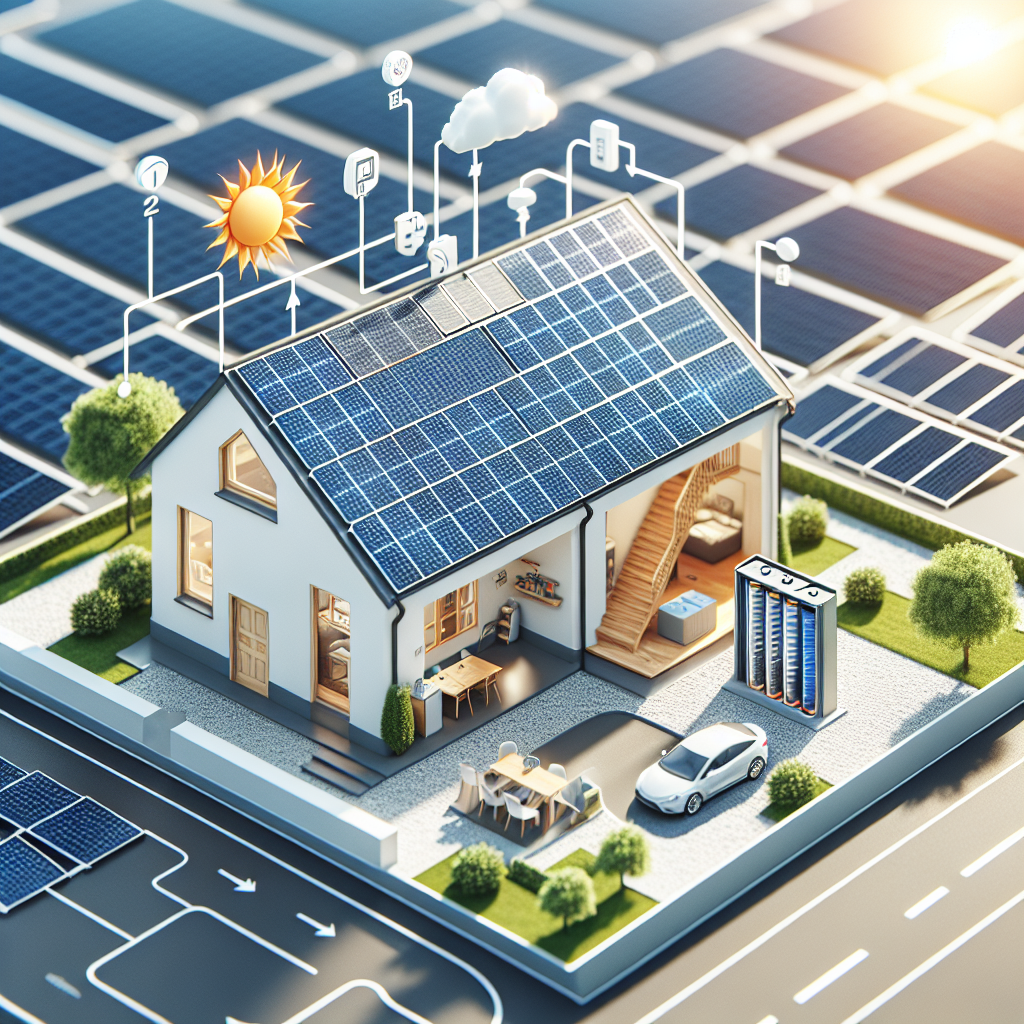
  • How to Upgrade Your Home with Solar Energy Storage

    How to Upgrade Your Home with Solar Energy Storage

    Understanding Solar Energy Storage Systems

    What is Solar Energy Storage?

    So, you’re thinking about hopping on the solar energy bandwagon? Great choice! Solar energy storage systems are essentially batteries that store energy generated by your solar panels. This stored energy can be used when the sun isn’t shining. They come in various forms, like lithium-ion batteries and lead-acid systems. Personally, I’ve found lithium-ion batteries to really pack a punch when it comes to efficiency.

    What these storage systems do is pretty nifty: they ensure you have a consistent power supply, day or night. Remember that feeling of relief when you grab your phone just before heading to bed, and it’s at a solid 80%? That’s how your home should feel with a reliable storage system! You can kick those energy bills to the curb and put the power back in your hands. Talk about a glow-up for your home!

    Another fantastic aspect is that they can power crucial devices during outages. Imagine a storm hits, and everyone’s scrambling for candles. But with your solar storage system, you’ve got lights shining and Netflix buffering. Now that’s a total win-win!

    Choosing the Right Solar Storage System for Your Home

    Assessing Your Energy Needs

    The first step here is all about knowing your own energy habits. Ask yourself, what appliances do I use the most? How much energy do they gobble? Once you nail this down, you can figure out how much storage capacity you really need. I remember mapping out my energy usage, like a mini science project! It was super informative and helped me make an informed decision.

    There’s a handy formula I picked up along the way: if you want to power your refrigerator, consider that it uses about 100-800 watts. If it runs for about 24 hours, you’d be looking at needing some pretty significant storage capacity. So, figure out your go-to systems, and count all the wattage they need. This is where the real planning begins!

    Doing this upfront saves you some serious cash in the long run. A common pitfall is overcommitting to a system that’s way bigger than your needs, or underwhelming oneself with too little storage. Trust me, understanding your usage is like finding your sweet spot in the energy world.

    Installation Process for Solar Energy Storage

    Hiring Professionals vs. DIY

    When it comes to installing solar energy storage systems, the decision between a pro installation or going the DIY route can be a total game-changer. Sure, saving some bucks is tempting, but sometimes it’s just worth it to have someone who knows their stuff do the install. I had friends insist on DIY, and let’s just say, it ended up taking way longer than anticipated.

    Picking a qualified installer is crucial. Look for certifications, reviews, and experience to ensure you’re getting the right help. When I finally chose a professional team, they walked me through the entire process and even made awesome suggestions tailored to my needs. The ease and peace of mind were totally worth it.

    But if you’re a true hands-on person, then go for it! Just make sure to do your homework. There are resources and forums where others share their DIY journeys—it’s like having a whole team behind you. You might discover tips and tricks that can save you time and hassle!

    Maximizing the Benefits of Solar Energy Storage

    Monitoring Your Energy Consumption

    After getting your system up and running, the next step is maximizing that return on investment. Keeping tabs on your energy usage is key! Many solar systems come with monitoring apps or dashboards that show how much energy you’re generating and consuming. I love checking mine; it’s like a mini video game where I track my progress and hit those energy-saving goals.

    With monitoring, I also noticed patterns in my usage. Turns out, I was using a ton of energy during peak hours. Shifting those tasks to times when energy is cheaper—thanks to my stored solar power—helps slice those bills down significantly. It’s all about being a smart player in the energy game!

    Don’t forget about maintenance! Regular checkups can keep your system in shape and running efficiently. It’s like taking your car for regular oil changes. A little attention goes a long way in prolonging the life of your system.

    Understanding the Financial Implications

    Initial Costs vs. Long-Term Savings

    Now, let’s talk dollars and cents! The upfront cost of solar storage systems can seem steep, but let me tell you, the long-term savings are where it’s at! You’ve got to consider the energy prices over the next decade. If you can lock in cheaper energy now, you’re saving more in the future. I did a little math (with some help; math is not my strong suit!) and realized my investment would be paid off in a couple of years. Major win!

    Don’t forget to explore any local incentives or rebates available in your area. These can dramatically shave off the initial costs, making the switch more attractive. I found that mine offered quite a few rebates, which was an unexpected bonus when finalizing my budget.

    In the end, understanding the financial implications means looking at both the short and long term. It’s all about making a shift that not only benefits the green side of things, but also your pocketbook. And let’s be honest, who doesn’t love hearing that little notification that you’ve saved some cash?

    FAQs About Upgrading Your Home with Solar Energy Storage

    1. How does solar energy storage work?

    Solar energy storage systems generally work by capturing energy produced during the day when the sun is shining and storing it in batteries for later use. This allows you to use solar energy even when the sun sets or when there are power outages.

    2. Is it worth it to install solar energy storage?

    Absolutely! While there’s an upfront investment, the potential for long-term savings on energy bills, combined with energy independence and decreased reliance on the grid, makes it a worthwhile upgrade for many homeowners.

    3. What types of batteries are used for solar energy storage?

    The most common types include lithium-ion batteries, which are known for their efficiency and longevity, and lead-acid batteries, which tend to be more affordable but have shorter lifespans.

    4. How do I find a reliable installer for my solar storage system?

    Look for installers with good reviews, appropriate certifications, and experience in the field. Don’t hesitate to ask for references and check their previous work.

    5. Can I install solar energy storage myself?

    Yes, if you have the technical know-how, you can opt for a DIY installation. Make sure to research thoroughly and follow all safety guidelines. However, hiring a professional can give you peace of mind and ensure everything is done correctly.

  • The Best Solar Power Solutions for Your Home Office

    The Best Solar Power Solutions for Your Home Office

    Understanding Your Energy Needs

    Calculating Your Energy Consumption

    One of the first things I did when considering solar power for my home office was to figure out how much energy I actually used. It’s super important to take a good look at your appliances, lights, and devices. I grabbed a notepad and jotted down everything I used regularly. You might be surprised at how quickly those kilowatts add up!

    Once you have your list, use a wattage calculator to estimate the total energy consumption in kilowatt-hours (kWh). I found out that my computer setup, along with some lighting, used more energy than I expected. The goal here is to understand what you need before diving into solar solutions.

    Lastly, keep in mind that energy needs can change depending on the time of year. My home office gets a lot of sunlight, which means I’m less likely to use lights during the day in the summer. It’s something to consider when planning your solar power setup.

    Identifying Peak Usage Times

    Knowing when you’re using the most energy can help you make smarter choices about your solar setup. For me, I realized that my peak usage was in the afternoon, right when the sun was shining brightest. Tracking your energy usage can be enlightening—it really helped me optimize my solar investments.

    Consider using smart plugs or energy monitors to track real-time energy consumption. There are some cool apps out there that help monitor usage, showing you which devices are drawing the most power. It’s like getting a sneak peek into your energy habits!

    Once you have this data, you can decide how much solar energy you need to offset your peak times, thus maximizing your investment. I learned that times of high usage could be optimized by utilizing solar energy when it’s most abundant.

    Setting a Budget

    So let’s talk money. Setting a budget before investing in solar solutions is critical. I made the mistake of diving in headfirst without considering my financial landscape. Start by figuring out how much you’re willing to spend upfront and how much you want to save long-term.

    Research financing options, rebates, or even tax credits available for solar installations. Some states offer fantastic incentives that can significantly reduce your initial outlay. I was lucky enough to take advantage of a state program that gave me a nice break!

    Ultimately, the budget you set will guide your choices, from choosing between different solar panel brands to whether you want to go with a full installation or a DIY approach.

    Selecting the Right Solar Panels

    Understanding Different Types of Solar Panels

    There’s a whole smorgasbord of solar panels out there! You’ve got monocrystalline, polycrystalline, and thin-film options. I personally went with monocrystalline panels because they are super efficient and take up less space.

    Monocrystalline panels have higher efficiency rates but tend to be a bit pricier. Polycrystalline panels are more affordable but slightly less efficient. If budget isn’t a big concern, go with monocrystalline. But if you’re looking to stretch your dollars, poly panels can still get the job done!

    Thin-film panels are another option, popular for larger rooftops due to their lightweight nature. However, they require a lot of space and aren’t as efficient as the other types, so I’d recommend those primarily for bigger installations.

    Assessing Quality vs. Cost

    When selecting solar panels, you really have to weigh quality against cost. Sure, you might find cheaper panels, but remember, you get what you pay for! I learned this lesson the hard way by initially opting for the lowest-priced option and then having to replace them a year later.

    Look for manufacturers that provide a solid warranty—at least 25 years is a good benchmark. This not only covers defects but also protects your investment over time. I felt way more secure knowing that my panels were good for the long haul.

    Don’t forget to read reviews! People who’ve actually installed the panels can give you insight that manufacturers won’t. Sometimes it pays to spend a little more for a lot more peace of mind.

    Installation Options

    So you’ve picked your panels—now what? Time to think about installation. I had the choice of either going the DIY route or hiring professionals. After weighing my options, I realized that professional installation was best for me, especially since I didn’t want to climb on my roof!

    DIY installation can save you some cash, but make sure you’re comfortable with electrical work and roof installation. I’ve seen tutorials online, and while they make it look easy, trust me, you’ll want to think twice!

    If you decide to hire professionals, get quotes from multiple companies. Ask them about their experience with residential projects and read reviews. It really made a difference when I chose a company with great customer feedback—they handled everything smoothly!

    Incorporating Battery Storage

    The Benefits of Battery Storage

    Let’s chat battery storage—it’s an absolute game changer! Adding battery storage to your solar setup allows you to store excess energy produced during the day to use at night or during cloudy days. It has been so helpful for me, especially with those long workdays.

    Battery systems like the Tesla Powerwall or LG Chem RESU can help you maintain energy independence, minimizing reliance on the grid. I might sound like a nerd, but having that backup during a power outage truly provides peace of mind.

    Also, don’t forget that some utility companies offer time-of-use rates that make it cheaper to use stored energy during peak hours. It’s all about making your system work for you, and battery storage helps achieve that!

    Selecting the Right Battery System

    Now that you’re sold on battery storage, how do you choose the right one? Start by sizing the system based on your energy needs. I found it helpful to determine how long I’d want power during an outage and what appliances I’d need to run.

    Look for lithium-ion batteries as they tend to be more efficient and have longer lifespans compared to lead-acid batteries. I went the lithium route, and it has paid dividends in terms of lifespan and performance.

    In addition to considering capacity, don’t overlook installation costs and warranty. A battery system can be a considerable investment, so ensure that what you choose fits your budget while offering decent backup capability.

    Integrating with Existing Solar Systems

    If you’ve already got a solar system going, adding battery storage may be straightforward. Most modern configurations make it simple to integrate battery systems. I just had to consult with my solar installer, and they handled the rest!

    Be sure that your current inverter can accommodate battery storage. If not, you may need to upgrade, which can change your budget. Checking compatibility is crucial to avoid surprises down the line.

    I loved that my installer offered a comprehensive service that included integration—they really knew their stuff! It felt great to have experts guide me through this process and take away any guesswork.

    Going Beyond Just Powering Your Office

    Using Solar for Home Energy Efficiency

    When you think about going solar, it’s not just about your office. I realized that integrating solar solutions in my entire home made a significant difference in energy efficiency. I started by upgrading appliances to ENERGY STAR-rated products, which complemented my solar setup perfectly.

    Additionally, consider other energy-efficient practices. Sealing drafts and adding insulation helped minimize energy loss in my home. I found that these small changes reduced my overall consumption, allowing me to maximize the solar energy I was generating.

    Combining solar energy with energy-efficient practices creates a win-win situation. It not only decreases your bills but also helps the environment. I love knowing I’m doing my part!

    Extending Solar Solutions Outdoors

    Another thing I discovered is how solar energy could extend beyond just office use. I started using outdoor solar lights, which not only saved money but also added some ambiance to my yard. It’s like having my little solar kingdom out there!

    Solar water heaters were another addition I considered for home energy efficiency. They dramatically reduce heating costs and can work well with a solar installation. I haven’t installed one yet, but it’s definitely on my wishlist!

    By using solar energy for outdoor endeavors, you can create a more sustainable lifestyle that resonates throughout your entire property. It’s exciting to think that so many facets of life can be powered by the sun!

    Staying Informed on Solar Innovations

    Don’t forget that solar technology is always evolving. Staying updated with innovations can lead to improvements in your energy efficiency and cost savings. I subscribe to several solar blogs and newsletters to keep me in the loop.

    Whether it’s learning about the latest charging technologies for electric cars or new efficiency ratings, these innovations could affect how I power my office and home. Engaging with the community through forums has also been enlightening!

    Continuing to educate yourself allows you to make informed decisions. This approach could even lead to future upgrades for your solar system that enhance your experience and savings.

    FAQs

    1. How do I know if solar power is right for my home office?

    The best way to determine if solar power is suitable for your home office is by assessing your energy needs, calculating your budget, and considering your long-term goals. If you find the potential for savings on your electricity bills and feel comfortable with the upfront investment, it’s likely a good fit!

    2. Are there financial incentives for installing solar panels?

    Absolutely! Many states and local governments offer financial incentives, tax credits, and rebates to encourage solar adoption. I recommend checking out local resources and the Database of State Incentives for Renewables & Efficiency (DSIRE) for up-to-date information.

    3. Can I install solar panels myself?

    It’s possible to install solar panels yourself if you’re knowledgeable about electrical work and installation processes. But don’t underestimate the complexity—it can be quite challenging! Hiring a professional is usually the safest route unless you’re very experienced.

    4. How long do solar panels last?

    Most solar panels are designed to last between 25 to 30 years, but their efficiency can degrade over time. A quality product combined with regular maintenance can keep them effective for many years beyond that initial period.

    5. What’s the best way to choose a solar installer?

    Start by getting multiple quotes and check references. Look for installers with extensive experience, excellent customer reviews, and certifications. I made sure to ask detailed questions, and it really helped me find the right fit for my project!

  • The Ultimate Guide to Home Solar Installation in 2025: 7 Effective Tips to Save More

    The Ultimate Guide to Home Solar Installation in 2025: 7 Effective Tips to Save More

    Table of Contents

    1. 1. Conduct an Effective Site Assessment
    2. 2. Understand Financing Options for Home Solar Installation
    3. 3. Choose the Right Solar Panels for Your Home
    4. 4. Optimize Your Solar System Configuration
    5. 5. Leverage Incentives and Tax Credits in 2025
    6. 6. Monitor and Maintain Your Home Solar Installation
    7. 7. Plan for Future Expansion and Battery Storage
    8. Frequently Asked Questions

    1. Conduct an Effective Site Assessment

    Understanding Your Roof’s Suitability

    Before diving into home solar installation, it’s crucial to assess your property’s solar potential. A detailed site assessment helps determine if your roof faces the right direction, has sufficient sunlight exposure, and free of shading obstructions. In 2025, the most efficient solar systems depend on optimal positioning, so take the time to evaluate sunlight hours throughout the year.

    Evaluate roof materials and age as well—installing solar panels on damaged or fragile roofing can lead to costly repairs down the line. Modern solar panels are lightweight and compatible with various roof types, but making an informed choice ensures longevity and effectiveness.

    Consider digital tools or professional assessments that use satellite imagery and shading analysis. These methods provide precise data, helping you decide whether a home solar installation is viable and cost-effective for your specific location.

    Calculating Your Energy Needs

    Assessing your current energy consumption forms the foundation for an efficient solar system design. Look at your utility bills over the past year to understand your average daily energy usage. This data helps determine the size of the solar array needed to meet your energy needs fully or partially.

    In 2025, with the rising adoption of energy-efficient appliances and smart home devices, energy consumption may decline, reducing the size and cost of your solar installation. Use online calculators or consult with solar providers who can align your system with your real consumption patterns.

    By accurately estimating your energy needs, you not only save money upfront but also maximize savings over the system’s lifetime, making your home solar installation more financially beneficial.

    2. Understand Financing Options for Home Solar Installation

    Cash Purchase vs. Solar Loans

    Paying outright for your solar system provides maximum savings and benefits from tax credits. However, in 2025, many homeowners opt for solar loans, allowing them to spread the cost over several years. Loan options often feature competitive interest rates and flexible terms, making solar more accessible.

    For example, some banks and credit unions offer specialized solar loans with low-interest rates, which can significantly reduce your initial investment. Analyzing these options helps you determine the best financial plan tailored to your budget.

    When considering a loan, compare total repayment costs to ensure that your savings from solar outweigh the interest payments. Smart financing strategies can accelerate your return on investment in home solar installation.

    Leasing and Power Purchase Agreements (PPAs)

    If upfront costs are a concern, leasing your solar panels or entering a PPA allows you to access solar energy with little or no initial payment. With leasing, a third-party provider owns the panels and charges you a monthly fee.

    PPAs operate similarly, where you agree to buy the electricity generated at a fixed rate, often lower than local utility rates. Both options are popular in 2025, especially for renters or homeowners hesitant about ownership risks.

    However, leasing and PPAs typically offer fewer tax incentives and savings compared to ownership. Carefully evaluate your long-term goals and financial situation before choosing these options for your home solar installation.

    3. Choose the Right Solar Panels for Your Home

    Types of Solar Panels

    In 2025, the main types of solar panels available include monocrystalline, polycrystalline, and thin-film. Monocrystalline panels are known for their high efficiency and sleek appearance, making them ideal for space-constrained roofs. Polycrystalline panels are more affordable but slightly less efficient.

    Thin-film panels offer greater flexibility and lighter weight but usually have lower efficiency, which might affect your overall system size requirements. Understanding these differences helps you select the best panels based on your budget and space constraints.

    Research brands and look for panels with high efficiency ratings and proven durability, especially considering maintenance and warranty coverage over their lifespan.

    Efficiency and Durability Considerations

    Efficiency impacts the amount of energy your panels can produce, directly influencing your savings. For 2025, choosing high-efficiency panels ensures maximum energy generation, especially in limited space or shaded areas.

    Durability is equally essential—look for solar panels with robust framing, weather resistance, and long warranties. These factors guarantee consistent performance over 25-30 years, which is typical for quality panels.

    Additionally, consider the environmental impact — many manufacturers now prioritize eco-friendly and sustainable production processes, aligning your home solar installation with green energy principles.

    4. Optimize Your Solar System Configuration

    Panel Placement and Angle

    Proper placement and tilt angle maximize your system’s efficiency. Typically, panels should face true south (in the northern hemisphere) with an optimal tilt of 30-40 degrees, depending on your latitude. In 2025, adjustable mounting systems are increasingly popular, allowing seasonal adjustments for maximum sunlight capture.

    Shading is a critical factor—avoid placing panels under trees or next to tall structures that cast shadows during peak sunlight hours. Consider trimming trees or using strategic panel placement to minimize shading losses.

    Examples from recent installations show that even minor shading can reduce energy output by up to 30%, so site assessment and proper positioning are crucial for a successful home solar installation.

    Microinverters vs. String Inverters

    System performance heavily depends on the type of inverter used. Microinverters, installed on each panel, optimize energy production by accounting for shading or panel mismatch, making them ideal for complex roof layouts. String inverters are more economical but may suffer efficiency drops if shading occurs on any panel.

    In 2025, many homeowners are leaning toward microinverter systems for their flexibility and higher energy harvest. They also simplify maintenance and detailed monitoring.

    Choosing the right inverter setup ensures your home solar installation performs optimally, providing consistent savings and reliable energy generation.

    PREPARE Mag ad 970 x 250

    5. Leverage Incentives and Tax Credits in 2025

    Federal and State Solar Incentives

    In 2025, government incentives remain a powerful driver for affordable home solar installation. The federal Investment Tax Credit (ITC) still allows homeowners to claim up to 30% of installation costs as a tax credit. Many states also offer additional rebates or incentives.

    States like California, New York, and Massachusetts have special programs to further offset costs, making solar more accessible for average homeowners. Be sure to check your state’s specific programs to maximize savings.

    Consult with your solar provider or tax professional to accurately claim applicable incentives and ensure compliance with all requirements.

    Understanding Bonus Depreciation and Other Benefits

    Beyond tax credits, bonus depreciation allows businesses and certain homeowners to depreciate the cost of solar assets faster, improving cash flow in 2025. This strategy is especially relevant if you own a business or plan to monetize your energy savings.

    Additionally, some areas provide property tax exemptions or sales tax waivers for solar purchases, further reducing your overall cost.

    Staying informed about these incentives helps you plan a financially optimal home solar installation that saves more in the long run.

    6. Monitor and Maintain Your Home Solar Installation

    Using Monitoring Systems

    Modern home solar installation setups come equipped with advanced monitoring tools, enabling real-time tracking of energy production and system health. Many systems connect to mobile apps, providing instant insights and alerts for maintenance needs.

    Monitor your system regularly to detect issues early, such as shading, dirt buildup, or inverter faults. In 2025, smart features like AI diagnostics and cloud-based analytics are common, increasing system reliability.

    Proactive monitoring helps maximize your system’s performance and lifespan, ensuring your investment provides optimal savings.

    Routine Maintenance and Troubleshooting

    Maintaining your solar panels is straightforward but essential. Annual cleaning to remove dirt, leaves, and debris ensures panels operate efficiently. Check for shading or physical damage after storms or heavy weather.

    If you notice dips in energy production, troubleshoot by inspecting wiring, connections, and inverter status. Most issues can be resolved without professional help, but annual inspections by certified technicians are recommended.

    Regular maintenance prolongs your home solar installation’s lifespan and sustains maximum energy generation, saving you money over decades.

    7. Plan for Future Expansion and Battery Storage

    Adding More Panels Later

    As your energy needs grow or technology advances, you might want to expand your home solar installation. Opt for systems that are designed with expansion in mind, including flexible inverter options and accessible wiring.

    In 2025, modular systems and newer inverter models facilitate easy additions, allowing homeowners to scale up without major renovations.

    Planning for future expansion saves costs and makes your energy system more adaptable to changing requirements, ensuring ongoing savings and energy independence.

    Integrating Battery Storage Solutions

    Batteries are becoming standard in sustainable home solar installation in 2025. They enable you to store excess energy generated during the day for use at night or during outages. This increases self-sufficiency and reduces reliance on utility grids.

    Choose high-capacity, durable batteries with long warranties for maximum value. Tesla Powerwall, LG Chem, and other brands are popular choices for integrated home systems.

    Battery storage can significantly enhance your savings by allowing you to use your solar energy even when the sun isn’t shining, further decreasing your electricity bills.

    Frequently Asked Questions About Home Solar Installation

    1. How much can I save with home solar installation in 2025?

    Typically, homeowners can save 20-50% on their annual energy bills, depending on system size, location, and energy consumption. With rising utility rates and increased incentives in 2025, savings are projected to improve further.

    2. Is home solar installation worth it in 2025?

    Yes! Investing in home solar installation remains a smart choice in 2025, especially with incentives, falling panel costs, and improved efficiency. It offers long-term savings, environmental benefits, and energy independence.

    3. How long does it take to install a home solar system?

    Installation typically takes 1-3 days, depending on system size and site complexity. Proper planning and choosing experienced installers minimize delays.

    4. What are the main benefits of home solar installation?

    Benefits include reduced energy bills, increased property value, environmental impact, energy independence, and eligibility for incentives. Properly planned, it’s a forward-looking investment.

    5. How can I maximize savings with my home solar installation?

    Maximize savings by optimizing system size, taking full advantage of incentives in 2025, monitoring your system regularly, and considering battery storage for energy independence.

    Conclusion

    In 2025, embarking on a home solar installation is more accessible and advantageous than ever. By following these seven effective tips—starting with a thorough site assessment, understanding your financing options, choosing the right panels, optimizing system configuration, leveraging incentives, maintaining your system, and planning for future growth—you can maximize your savings and sustainability benefits. Remember, your home solar installation isn’t just an investment in your property, but a step toward a cleaner, greener future. Make 2025 the year you harness the sun’s power and enjoy long-term energy savings!

  • The Ultimate Guide to Solar Power for Home in 2025: 7 Effective Strategies to Save Money

    The Ultimate Guide to Solar Power for Home in 2025: 7 Effective Strategies to Save Money

    Table of Contents

    1. 1. Assessing Your Home’s Solar Potential
    2. 2. Choosing the Right Solar Panel System
    3. 3. Optimizing Energy Usage at Home
    4. 4. Leveraging Government Incentives and Tax Credits
    5. 5. Integrating Battery Storage Solutions
    6. 6. Maintaining and Monitoring Your Solar System
    7. 7. Future Trends in Solar Power for Home in 2025

    1. Assessing Your Home’s Solar Potential

    Evaluating Sunlight Exposure

    Before investing in solar power for home, it’s crucial to evaluate how much sunlight your property receives. Factors like roof orientation, shading from trees or nearby buildings, and local climate all influence solar potential. Homes facing south tend to generate more energy in the northern hemisphere, which is ideal for maximizing solar output in 2025. Conducting a site assessment helps identify the most suitable areas for panel installation.

    Use tools like solar pathfinders or online solar calculators to estimate your home’s solar exposure. These tools consider local weather patterns, seasonal changes, and shading obstacles, giving you a realistic idea of your potential energy savings. Interestingly, recent advancements in solar technology have made panels more tolerant to partial shading, making even less ideal locations viable options.

    Investing time in a thorough assessment ensures that your solar power for home system is efficient and cost-effective, helping you save money in the long run. Also, consulting with professional solar installers can provide valuable insights tailored to your property’s specific conditions.

    Estimating Energy Needs

    Determining your household’s typical energy consumption is another critical step. Review past utility bills to understand your average monthly usage in kilowatt-hours (kWh). This data helps you size your solar system appropriately to meet your energy demands without over-investing.

    In 2025, most homeowners are choosing systems that can offset 80-100% of their energy needs, thanks to falling equipment costs and increased efficiency. For instance, if your household consumes about 900 kWh per month, a properly sized solar setup can significantly reduce or eliminate your electric bills.

    By accurately estimating your energy needs, you can choose the right system size, optimize your financial investment, and ensure that every watt of solar capacity works toward financial savings and energy independence.

    2. Choosing the Right Solar Panel System

    Types of Solar Panels Available in 2025

    When considering solar power for home, selecting the appropriate type of solar panel is key. The main options include monocrystalline, polycrystalline, and thin-film panels. Monocrystalline panels are known for their high efficiency and sleek appearance, making them popular in residential installations in 2025.

    Polycrystalline panels are slightly less efficient but more cost-effective, offering a good balance between performance and affordability. Thin-film panels, although less efficient, are flexible and lightweight, suitable for unique or space-constrained roofs.

    The choice depends on your available space, budget, and aesthetic preferences. Advances in panel technology continue to increase efficiency, making solar power for home even more accessible for typical households in 2025.

    Bandwidth and System Size

    Deciding on the capacity of your solar system involves understanding your energy needs and space constraints. In 2025, most homeowners are opting for systems between 5kW to 10kW to optimize savings. More significant systems can generate surplus energy, which can be stored or fed back to the grid, earning credits through net metering programs.

    When selecting a system, choose quality components such as inverters, mounting systems, and wiring. High-quality inverters improve efficiency and lifespan. Proper system sizing ensures you get the maximum return on investment while reducing your carbon footprint.

    Proactively planning your system size, considering future energy needs, and balancing initial costs with long-term savings are vital strategies in smart solar power for home implementation in 2025.

    3. Optimizing Energy Usage at Home

    Smart Home Technology Integration

    In 2025, integrating smart home technology with your solar power for home setup is a game-changer. Smart thermostats, LED lighting, and energy monitors allow you to track and control consumption efficiently. These devices can automatically adjust usage based on energy availability, maximizing savings and reducing waste.

    For example, setting your washing machine or dishwasher to operate during peak solar production hours ensures you’re using clean energy directly from your panels. Smart energy management systems can synchronize these actions seamlessly, saving you money on utility bills.

    Furthermore, real-time monitoring through apps provides insights into your energy patterns, helping you identify and eliminate inefficiencies over time. This combination of technology accelerates your path toward energy independence using solar power for home.

    Behavioral Changes for Energy Savings

    Small behavioral changes can make a significant impact on your overall energy consumption. Simple steps like turning off unused devices, reducing heating and cooling when not necessary, and unplugging chargers can add up to substantial savings in 2025.

    Implementing routines such as laundry and dishwasher use during daylight hours leverages your solar system’s peak production. Educating family members about energy conservation nurtures sustainable habits that support your solar investment.

    Remember, the goal is to create a balanced approach where your solar power for home system can operate at maximum efficiency while your household consumes energy thoughtfully and consciously.

    4. Leveraging Government Incentives and Tax Credits

    Current Incentives for 2025

    One of the most significant advantages of adopting solar power for home in 2025 is access to numerous government incentives. These include federal tax credits, state rebates, and local incentives designed to reduce the upfront cost of solar installation. In 2025, the Federal Investment Tax Credit (ITC) offers up to 30% off installation costs, making solar energy more affordable than ever.

    Many states also have specific rebate programs or performance-based incentives that further decrease the cost burden. It’s essential to research your state’s offerings and work with a solar provider familiar with local policies. Leveraging these incentives can shorten your payback period significantly.

    Staying informed about evolving policies ensures you don’t miss out on any available support, maximizing your savings when installing solar power for home in 2025.

    Applying and Claiming Incentives

    The process involves collecting necessary documentation, working with certified installers, and filing specific forms such as IRS Form 5695 for tax credits. Many professional installers handle the paperwork for you, simplifying the process.

    Keep detailed records of your purchase, installation, and compliance with incentive requirements to avoid delays or disqualifications. Additionally, some incentives are in the form of rebates or discounts applied at the point of sale, reducing upfront costs.

    By efficiently navigating the application process, homeowners can maximize financial benefits, making solar power for home a smart and economical choice in 2025.

    PREPARE Mag ad 970 x 250

    5. Integrating Battery Storage Solutions

    Choosing the Right Battery System

    Battery storage is a critical component of modern solar power for home, especially in 2025 as energy independence becomes a priority. Homeowners are increasingly opting for lithium-ion battery systems due to their longevity and efficiency. Popular brands like Tesla Powerwall or LG Chem provide scalable options that fit various household sizes.

    Deciding on the capacity depends on your energy consumption patterns and whether you want to store excess solar energy for nighttime use or backup power during outages. Integrating battery storage maximizes self-consumption, reduces reliance on the grid, and enhances savings.

    As technology advances, battery costs continue to decline, making storage solutions more accessible. Proper integration and sizing ensure optimal performance and a higher return on your investment in solar power for home.

    Benefits of Home Battery Storage

    Battery storage provides numerous benefits beyond just cost savings. It enhances energy resilience, allowing your home to operate during power outages. Additionally, stored excess energy can be sold back to the grid in many regions, generating extra income.

    In 2025, smart battery systems can be integrated with home automation platforms, enabling intelligent energy management. This setup allows for maximizing solar usage during peak sunlight and minimizing grid dependency.

    Investing in home battery storage aligns with the broader trend toward decentralizing energy production, giving homeowners more control over their energy supply and costs.

    6. Maintaining and Monitoring Your Solar System

    Regular Maintenance Practices

    Proper maintenance is vital to ensure your solar power for home system operates at peak efficiency. In 2025, routine cleaning of panels to remove dirt, debris, and snow maximizes light absorption. Visual inspections for damages or shading issues should be part of annual upkeep.

    Most modern systems come with monitoring tools that alert you to performance drops or faults. Keeping these systems updated with the latest firmware ensures continued reliability and safety.

    Engaging professional services periodically for system checkups can prolong the lifespan of your installation, helping you save more money in the long term.

    Monitoring Systems for Optimal Performance

    Advanced digital monitoring platforms provide real-time insights into your solar energy production, consumption, and savings. By analyzing data, you can identify inefficiencies or potential issues early, preventing costly repairs.

    Many systems now allow remote access via smartphone apps, giving you control and awareness regardless of location. This transparency helps you optimize your energy usage patterns and maximize savings.

    Staying engaged with your system through consistent monitoring ensures your solar power for home investment continues to produce benefits for years to come in 2025.

    Emerging Technologies

    In 2025, solar technology is more innovative than ever. Perovskite solar cells, flexible panels, and integrated solar roofing are transforming rooftops into energy hubs. These advancements improve efficiency, aesthetics, and installation options.

    Additionally, artificial intelligence and machine learning are being integrated into energy management systems, making solar power for home smarter and more responsive to household needs.

    Such innovations not only boost savings but also make solar more appealing and accessible for modern homeowners aiming to be environmentally responsible.

    Smart Grids and Community Solar

    The evolution of smart grids allows seamless energy sharing and balancing across neighborhoods. Community solar projects enable households to buy into large-scale solar farms, reducing individual costs and expanding access.

    In 2025, these trends promote wider adoption and more flexible options for homeowners, especially those with limited roof space or shading issues.

    Staying abreast of future trends ensures you make the most of emerging opportunities to enhance your solar power for home system’s efficiency and savings.

    Frequently Asked Questions

    1. What is the best way to get started with solar power for home in 2025?

    Start by assessing your home’s solar potential, estimating your energy needs, and researching incentives available locally and federally. Consulting a reputable solar installer can help you navigate these steps efficiently.

    2. How much can I save with solar power for home in 2025?

    Depending on your location, system size, and energy consumption, savings can range from 50% to over 100% of your electric bills. Incentives and decreasing hardware costs make solar a financially smart investment in 2025.

    3. Do I need to worry about maintenance?

    With modern systems, routine maintenance is minimal—mainly cleaning and inspections. Many components now come with monitoring systems that alert you to potential issues, simplifying upkeep.

    4. How does solar power for home impact the environment?

    Solar reduces reliance on fossil fuels, cuts greenhouse gas emissions, and promotes cleaner air. In 2025, expanding solar adoption is a vital step toward a sustainable future.

    5. Can I expand my solar system later if I need more energy?

    Yes, most systems are modular, allowing you to add panels or batteries as your needs grow or as new technology becomes available.

    Conclusion

    Embracing solar power for home in 2025 is more accessible and advantageous than ever. By evaluating your property’s potential, choosing the right system, optimizing energy use, and leveraging current incentives, you can significantly cut costs and reduce your carbon footprint. Staying informed about future trends ensures your investment remains smart and sustainable. As we’ve explored, implementing these strategies effectively will maximize your savings and help you enjoy the full benefits of solar energy in the coming years. So, take action now and make your home a shining example of renewable energy in 2025!


  • The Ultimate Guide to the Best Solar Home System for 2025: Tips & Strategies

    The Ultimate Guide to the Best Solar Home System for 2025: Tips & Strategies


    1. Best Solar Home System Overview

    Understanding the Basics of a Solar Home System

    A solar home system (SHS) is a self-contained setup that supplies electricity to your home using solar energy. In 2025, these systems have evolved to become more efficient, affordable, and user-friendly. If you’re considering switching to solar energy, understanding the fundamental components of a solar home system is essential. These systems typically include solar panels, batteries, inverters, and charge controllers, working together to generate, store, and distribute clean energy. This overview will help you grasp what makes a solar home system the best choice for 2025.

    Modern solar home systems are designed for flexibility, allowing installation in remote areas without access to the grid while also supplementing existing power sources in urban homes. They are scalable, meaning you can upgrade components as your energy needs grow. By 2025, the trend favors smart, integrated systems that communicate with your devices for real-time monitoring and efficiency optimization.

    Choosing the right solar home system depends on your energy requirements, budget, and location. In general, a well-designed system should provide reliable power, be easy to maintain, and have a long service life. Keep reading for tips on selecting the best options available in 2025.


    2. Advantages of Solar Home Systems in 2025

    Cost Savings and Return on Investment

    One of the primary benefits of installing a solar home system is significant cost savings over time. In 2025, the decreasing costs of solar panels and batteries have made solar energy more accessible to homeowners worldwide. Studies show that households can reduce their electricity bills by up to 70%, depending on their consumption patterns.

    Additionally, many countries and regions offer financial incentives, tax credits, and subsidies that improve the ROI of your solar investment. These incentives make solar home systems an economically attractive option, especially as energy prices continue to rise globally.

    Long-term savings and environmental benefits make choosing a solar home system a smart decision. It not only reduces your electricity bills but also contributes to reducing your carbon footprint, aligning with global sustainability goals for 2025.

    Energy Independence and Reliability

    Another key advantage of a solar home system is energy independence. With a well-designed system, you can generate your own electricity, reducing reliance on grid power and protecting yourself from rising energy costs. This is especially valuable in remote or off-grid areas where grid access may be intermittent or unavailable.

    Modern solar home systems come with advanced features like battery backups that ensure continuous power during cloudy days or at night. This reliability is critical for households that depend heavily on electricity for daily activities or small business operations.

    PREPARE Mag ad 970 x 250

    Furthermore, smart monitoring tools allow homeowners to track energy production and consumption, helping optimize system performance and ensuring you get the most out of your investment. The trend for 2025 emphasizes autonomy, making solar home systems a resilient energy solution for diverse needs.


    Frequently Asked Questions

    What is the best solar home system for 2025?

    The best solar home system in 2025 combines high-efficiency solar panels, advanced battery storage, smart monitoring, and scalable design. It should fit your specific energy needs, budget, and location. Leading brands now offer integrated solutions that maximize performance and longevity.

    How do I choose the right solar home system for my home?

    Start by assessing your energy consumption, available sunlight, and budget. Consult with certified installers who can tailor a system to your needs, ensuring you select efficient components and proper installation techniques for optimal results.

    Are solar home systems cost-effective in 2025?

    Absolutely. The declining costs of solar technology and increasing incentives make solar home systems more affordable than ever. They provide long-term savings on electricity bills and significantly improve your home’s sustainability footprint.

    What maintenance does a solar home system require?

    Routine maintenance includes cleaning panels, inspecting wiring and mounting systems, and monitoring performance data. Modern systems often include remote diagnostics, reducing the need for physical inspections and repairs.

    Conclusion

    In 2025, choosing the right solar home system is more important than ever for sustainable living, energy independence, and cost savings. Whether you’re in a remote area or upgrading your urban home, the latest advancements in solar technology can meet your needs effectively. Remember to evaluate your energy requirements, explore available incentives, and partner with reputable providers to ensure you select the best solar home system for your home in 2025. Making an informed decision today will pay off in cleaner energy, savings, and a healthier planet tomorrow.

    Investing in a solar home system is a step toward a brighter, more sustainable future. By understanding the latest trends, components, and strategies, you can confidently navigate the options available and find solutions tailored for 2025.

  • The Ultimate 2025 Guide to the Best Solar Inverter for Home That Maximizes Power

    The Ultimate 2025 Guide to the Best Solar Inverter for Home That Maximizes Power

    1. 1. Overview of Solar Inverters for Home
    2. 2. Key Features to Consider in 2025
    3. 3. Top Trending Solar Inverter Technologies in 2025
    4. 2025. Final Tips to Choose the Best Solar Inverter for Home

    Choosing the right solar inverter for home is crucial to maximizing your solar energy system’s efficiency in 2025. As solar technology rapidly evolves, homeowners need to stay informed about the latest innovations, features, and best practices. In this comprehensive guide, I’ll walk you through the top options, key features to look for, and practical tips to ensure you select a solar inverter that best suits your needs. Whether you’re installing a new system or upgrading your existing setup, understanding the ins and outs of solar inverters can make a significant difference in your energy savings and sustainability goals.

    1. Overview of Solar Inverters for Home

    What Is a Solar Inverter?

    A solar inverter for home is a device that converts direct current (DC) generated by solar panels into usable alternating current (AC). This process allows household appliances and the electrical grid to utilize solar energy effectively. The inverter is often considered the ‘heart’ of a solar power system because it manages energy flow, monitors system performance, and ensures safety.

    In 2025, advances in inverter technology have led to smarter, more efficient devices capable of handling higher power loads, optimizing energy use, and integrating seamlessly with home energy management systems. The importance of selecting the right inverter cannot be overstated, as it directly impacts your system’s overall productivity and reliability.

    Popular types include string inverters, microinverters, and power optimizers, each serving different system architectures and homeowner preferences. For most homeowners, especially those with fixed roof layouts, a high-quality string inverter offers a balanced mix of cost and performance.

    Why Is the Solar Inverter for Home Essential?

    The inverter acts as the bridge between your solar panels and your home’s electrical system. Without it, the direct current produced by the panels cannot be used directly in most household appliances. Additionally, modern inverters offer features like remote monitoring, fault detection, and grid support capabilities that make maintenance easier and energy management more effective.

    In 2025, the surge in smart inverter technology—enabled by AI and IoT—has revolutionized the way homeowners manage solar energy. These advanced inverters can predict performance issues, automatically adjust for optimal output, and even participate in grid balancing efforts, enhancing the overall efficiency of your solar setup.

    Investing in a reliable residential inverter ensures you can harness maximum solar power while complying with evolving grid standards and safety regulations.

    2. Key Features to Consider in 2025

    Efficiency Ratings

    Efficiency is paramount when selecting a solar inverter for home. In 2025, top models boast efficiencies exceeding 98%, minimizing energy losses during conversion. High efficiency translates directly into more power being available for your household and an excellent return on investment.

    Look for inverters with European Efficiency or percentage-based ratings to compare models effectively. The slight difference in efficiency can make a significant impact over the lifespan of your system, especially as solar panels become more powerful and widespread.

    Many manufacturers now include real-time efficiency tracking via apps, allowing homeowners to monitor performance and optimize energy use proactively.

    Grid Compatibility and Safety Features

    In 2025, grid compatibility has become more sophisticated due to stricter regulations and the integration of renewable energy sources. Your solar inverter should support the latest standards for grid connection, including anti-islanding protection and reactive power management.

    Safety features such as rapid shutdown, overvoltage protection, and fault detection are now standard and required in many jurisdictions. These features help prevent accidents and ensure code compliance.

    Choosing an inverter with integrated safety and grid support functions not only guarantees safety but also maximizes your system’s ability to contribute to grid stability, especially as utility companies incentivize such capabilities.

    Smart Monitoring and Compatibility

    Smart monitoring features allow you to track system performance in real-time via mobile apps or web portals. In 2025, these systems are more intuitive and offer insights like energy production, consumption patterns, and maintenance alerts.

    Compatibility with home energy management systems (HEMS) and smart home devices enhances automation, letting you optimize energy use dynamically. For example, you can schedule appliance operation during peak solar hours or monitor energy savings monthly.

    Investing in an inverter with robust monitoring capabilities enables proactive maintenance and helps you make data-driven decisions to increase energy savings.

    AI-Enabled Predictive Maintenance

    Artificial Intelligence (AI) is transforming how homeowners manage solar systems. Inverters equipped with AI can predict potential faults before they occur, alerting users to maintenance needs proactively. This reduces downtime and repair costs.

    In 2025, AI-driven inverters are becoming more affordable and accessible, ensuring even residential systems benefit from smarter diagnostics. This technology helps homeowners maximize their system uptime and energy production.

    Real-world examples include inverters that analyze performance data to identify component degradation, optimizing maintenance schedules and extending device lifespan.

    Enhanced Grid Support Features

    Grid support capabilities are increasingly important as renewable penetration rises worldwide. Modern inverters can provide grid balancing services such as voltage regulation and frequency support.

    PREPARE Mag ad 970 x 250

    This means your inverter doesn’t just serve as a converter but also acts as a mini-grid stabilizer, earning incentives in many regions. In 2025, inverters with advanced grid support are becoming the norm for eco-conscious homeowners.

    These capabilities also future-proof your system, ensuring compatibility with evolving grid standards and renewable energy policies.

    Integration with Energy Storage

    Energy storage integration is now more streamlined thanks to inverters with built-in or compatible battery management capabilities. This allows seamless switching between solar supply, storage, and grid import/export.

    In 2025, homeowners increasingly opt for hybrid inverters that handle both solar conversion and battery management, enhancing self-consumption and reducing reliance on the grid.

    Practical benefits include backup power during outages and better control over energy costs, especially with dynamic electricity rates.

    2025. Final Tips to Choose the Best Solar Inverter for Home

    Assess Your Energy Needs

    Before selecting a solar inverter for home, evaluate your typical energy consumption and future expansion plans. If you plan to add more panels or batteries later, choosing an inverter with scalable capacity is wise. In 2025, systems that support modular upgrades are gaining popularity.

    Use energy monitoring data to understand your peak usage times. This insight will help you select an inverter with appropriate power ratings and features suited to your household’s specific demands.

    Remember, investing time upfront in assessing your needs ensures optimal performance and cost savings over the system’s lifespan.

    Compare Brands and Warranties

    With dozens of inverter brands available in 2025, it’s essential to compare product quality, customer reviews, and warranty terms. A longer warranty (often 10-15 years) reflects confidence in the product’s durability.

    Trusted brands tend to offer better customer support and software updates, which are crucial for maintaining system performance. Additionally, check for availability of local technical support and authorized installers.

    Choosing reputable brands reduces the risk of future issues and ensures your investment is protected.

    Consider System Compatibility and Future Proofing

    Ensure your chosen inverter is compatible with your existing or planned solar panels, batteries, and grid requirements. Many inverters support multiple inputs and can adapt to evolving technology standards.

    In 2025, look for inverters with firmware update capabilities and compatibility with smart home systems. This future-proofing increases the longevity and adaptability of your solar system.

    Adopting a comprehensive approach now can save you significant costs and hassle down the line.

    Conclusion

    In 2025, selecting the right solar inverter for home is more crucial than ever for maximizing your solar power investment. From advanced AI features to enhanced grid support and system integration, modern inverters are smarter, more efficient, and more reliable than ever. Taking the time to understand the key features, recent innovations, and your personal energy needs will help you make an informed choice. Remember, your inverter is the brain of your solar setup—choose one that can future-proof your home’s renewable energy journey and deliver optimal power savings for years to come.

    Frequently Asked Questions

    1. What is the best solar inverter for home in 2025?

    The best solar inverter for home in 2025 depends on your specific needs, but top models now feature over 98% efficiency, smart monitoring, and AI capabilities. Popular brands include Sungrow, Fronius, and SolarEdge, known for their reliability and advanced features.

    2. How do I choose a solar inverter for my home?

    Assess your energy consumption, future expansion plans, and budget. Compare efficiency ratings, safety features, and compatibility with your existing system. Prioritize inverters with good warranties and support services for peace of mind.

    3. What are the advantages of smart inverters for home use?

    Smart inverters offer real-time monitoring, remote control, fault detection, and grid support capabilities. These features help optimize energy production, extend lifespan, and ensure compliance with evolving regulations.

    4. Can a solar inverter for home handle energy storage?

    Yes, hybrid inverters are designed to integrate with batteries, providing backup power and enhancing self-consumption. In 2025, storage-ready inverters are becoming more popular and affordable for residential use.

    5. Why is efficiency important in a solar inverter for home?

    Higher efficiency means less energy loss during conversion, resulting in more solar power available for your home. Efficient inverters improve overall system performance and help maximize your return on investment.


  • The Ultimate Guide to Solar Power Home Setup 2025: 7 Effective Strategies

    The Ultimate Guide to Solar Power Home Setup 2025: 7 Effective Strategies

    Table of Contents

    1. 1. Choosing the Right Solar Panel Types
    2. 2. Assessing Your Home Energy Needs
    3. 3. Siting and Orientation for Maximum Efficiency
    4. 4. Permitting and Compliance Requirements
    5. 5. Securing Incentives and Financing Options
    6. 6. Choosing Quality Inverter and Battery Systems
    7. 7. Maintenance and Performance Monitoring

    1. Choosing the Right Solar Panel Types

    Understanding Different Solar Panel Technologies

    When embarking on your solar power home setup in 2025, selecting the right type of solar panels is foundational. The most common options include monocrystalline, polycrystalline, and thin-film panels. Monocrystalline panels are known for their high efficiency, often exceeding 22%, making them ideal for limited spaces. Polycrystalline panels are slightly less efficient but more affordable, suitable for larger roof areas. Thin-film panels, though less efficient, offer flexible installation options and better performance in high-temperature conditions.

    In 2025, advancements in solar technology have improved the efficiency and durability of these panels. For example, perovskite-based solar cells are emerging as promising alternatives, potentially increasing efficiency further. Consider your budget and available space when choosing panel types for your solar power home setup. An efficient setup maximizes energy generation and ROI over time.

    Pro tip: Always opt for panels with a solid warranty, typically 25 years, and look for those certified by relevant standards such as IEC or UL to ensure quality and safety.

    2. Assessing Your Home Energy Needs

    Conducting an Energy Audit

    The first step in your solar power home setup journey is to understand exactly how much energy your household consumes. An energy audit helps identify peak usage times and overall consumption, which influences your system size. For example, if your household uses around 900 kWh monthly, your system must be designed accordingly to meet these demands.

    Tips for an effective audit include reviewing past utility bills, noting appliances with high energy consumption, and considering future needs, such as adding electric vehicles or expanding your home. Modern tools and apps can assist in estimating your usage and planning accordingly, making the process more precise and less time-consuming.

    Accurately assessing your energy needs in 2025 ensures that your solar power home setup is neither oversized nor insufficient, optimizing costs and performance.

    3. Siting and Orientation for Maximum Efficiency

    Optimal Placement Strategies

    Maximizing solar energy production begins with proper siting and orientation of your panels. In the Northern Hemisphere, facing panels south at an angle close to your latitude—around 40° for most U.S. regions—yields the best results. In 2025, adjustable mounts and tracking systems are becoming more affordable, further boosting efficiency by following the sun’s path throughout the day.

    Shading is one of the biggest detractors of system performance. Conduct a shading analysis on your property to identify obstructions like trees or chimneys that could cast shadows during peak sunlight hours. Even small shading issues can significantly reduce output, so strategic placement is critical.

    Additionally, consider roof tilt for maximum sunlight exposure. If your roof isn’t ideal, ground-mounted systems are a good alternative and offer flexibility in orientation and tilt, allowing you to tailor the setup to your specific environment.

    4. Permitting and Compliance Requirements

    Understanding Local Regulations

    Before finalizing your solar power home setup, you’ll need to navigate local permits, building codes, and utility interconnection requirements. In many areas in 2025, streamlined permitting processes and online application portals have made this step less daunting. It’s essential to comply to avoid future penalties or system disconnection.

    Consult your city or county’s building department early in the planning process. Some regions also require specific inspections or approvals for grid-tied systems. Working with a licensed installer familiar with local regulations can smooth this process and ensure your setup adheres to all standards.

    Pro tip: Keeping a digital record of all permits and approvals simplifies future inspections or resale of your home. Being proactive about permits can also help you qualify for certain incentives or rebates.

    5. Securing Incentives and Financing Options

    Maximizing Financial Benefits

    The financial aspect of your solar power home setup in 2025 is arguably one of the most motivating factors. Several federal, state, and local incentives are available, including tax credits, rebates, and zero-interest financing. The federal Investment Tax Credit (ITC) offers up to 30% off your system costs in 2025, significantly improving your ROI.

    In addition, some states have their own incentives, net metering policies, and utility rebates that can further reduce upfront costs. Many financial institutions now offer tailored solar loans or leasing options, making the transition more affordable without large initial investments.

    PREPARE Mag ad 970 x 250

    To maximize savings, research and apply for all applicable incentives early. Proper planning ensures that your solar power home setup is not only sustainable but also economical and financially beneficial in the long run.

    6. Choosing Quality Inverter and Battery Systems

    Matching Inverters to Your Solar System

    The inverter converts the direct current (DC) produced by your panels into usable alternating current (AC). In 2025, hybrid inverters that can also manage battery storage are increasingly popular, offering energy flexibility. Selecting a high-quality inverter is crucial for system efficiency, safety, and longevity.

    Battery storage has become more affordable and efficient. Companies like Tesla, Sonnen, and LG now offer solutions that can store excess energy for night-time use or backup during outages. Properly sizing your battery system ensures you can maximize self-consumption and energy independence.

    When choosing inverter and battery systems, prioritize certifications, warranties, and compatibility with your panels. Investing in durable equipment ensures your solar power home setup remains reliable for decades.

    7. Maintenance and Performance Monitoring

    Keeping Your Solar System Running Smoothly

    Regular maintenance is essential to keep your solar power home setup performing at peak efficiency in 2025. Simple tasks, such as cleaning panels and inspecting wiring, help prevent issues that reduce energy output. Many systems now come with remote monitoring capabilities, allowing homeowners to track performance via smartphone apps.

    Performance monitoring tools typically provide real-time data, alerts for faults, and historical analysis, empowering you to optimize your system’s output. Inverters and batteries in 2025 generally have longer lifespans—up to 15-25 years—if properly maintained.

    Tip: Schedule annual professional inspections to identify potential problems early. Investing in good maintenance practices extends the system’s lifespan and ensures ongoing savings on energy bills.

    Conclusion

    Planning your solar power home setup in 2025 requires careful consideration, strategic choices, and a thorough understanding of new technologies and regulations. By following these top strategies, you can design an efficient, cost-effective, and sustainable solar energy system tailored to your needs. Remember, the crux of successful implementation lies in thorough assessment, quality components, proper siting, and ongoing maintenance. Ultimately, a well-executed solar power home setup not only reduces your carbon footprint but also provides long-term financial savings, making it a smart investment for the future.

    Frequently Asked Questions

    1. What is the best way to start a solar power home setup in 2025?

    The best way is to conduct a thorough energy audit, assess your roof and shading, and consult with certified solar installers to design a system suited to your needs and space.

    2. How much does a typical solar power home setup cost in 2025?

    The average cost varies based on system size and location, but after incentives, many homeowners pay between $10,000 and $30,000 for a complete setup.

    3. Can I install solar panels myself for my home setup?

    While DIY options exist, professional installation ensures safety, compliance, optimal performance, and eligibility for incentives. For most homeowners, hiring certified installers is recommended.

    4. How long does it take to see returns from my solar power home setup?

    Typically, you can expect payback periods between 5-10 years, depending on system size, local electricity rates, and available incentives.

    5. Why is proper siting important in a solar power home setup?

    Proper siting maximizes sunlight exposure, reduces shading, and improves overall system efficiency, ensuring you get the most energy and savings from your investment.

  • The Ultimate Guide to Solar Electricity for Home in 2025: 7 Effective Tips

    The Ultimate Guide to Solar Electricity for Home in 2025: 7 Effective Tips

    Table of Contents

    1. 1. Understand the Basics of Solar Electricity for Home
    2. 2. Evaluate Your Home’s Solar Potential
    3. 3. Choose the Right Solar Panel Technology
    4. 4. Optimize Placement and Installation
    5. 5. Maximize Energy Storage with Batteries
    6. 6. Monitor and Maintain Your Solar System
    7. 7. Understand Financial Incentives and Cost Savings
    8. FAQs About Solar Electricity for Home
    9. Conclusion

    1. Understand the Basics of Solar Electricity for Home

    What is Solar Electricity?

    Solar electricity for home involves capturing sunlight using photovoltaic (PV) panels and converting it into usable electrical power. This clean energy source is transforming residential energy consumption, offering homeowners an eco-friendly alternative to traditional power grids. In 2025, solar technology has advanced to become more efficient and affordable, making it an attractive option for many households.

    Understanding how solar panels generate electricity helps you make informed decisions. The fundamental process involves sunlight striking solar cells, creating an electric current through the photovoltaic effect. This current can power your home directly or be stored for later use. As technology evolves, system efficiencies increase, and costs decrease, broadening accessibility.

    For families considering switches to solar electricity for home, it’s vital to grasp the basics — benefits, limitations, and integration potential — to maximize savings and sustainability.

    Advantages of Solar Electricity for Home

    By 2025, the benefits of adopting solar electricity for home are well-documented. It significantly reduces electricity bills, lowers carbon footprints, and increases energy independence. Data shows that homes with solar systems see a 20-40% reduction in energy costs over the system’s lifespan.

    Additionally, solar energy systems can increase property value. According to recent research, homes with solar installations sell faster and at higher prices than comparable properties without solar. Environmental benefits also include a reduction in greenhouse gas emissions, making it a sustainable choice for eco-conscious homeowners.

    Implementing solar electricity for home is also an investment that can pay off through various financial incentives, especially in 2025 where government programs support renewable energy adoption.

    2. Evaluate Your Home’s Solar Potential

    Assessing Roof Orientation and Shading

    Your home’s roof orientation plays a crucial role in the effectiveness of solar electricity for home. Ideally, the roof should face south (in the northern Hemisphere) to maximize sunlight exposure throughout the day. East and west-facing roofs can still be viable but may produce less energy, while roofs shaded by trees or nearby structures significantly reduce system efficiency. Conducting a shading analysis helps you determine the best placement for solar panels.

    In 2025, tools like solar mapping apps and site assessments make evaluating your home’s solar potential easier than ever. These tools can simulate sun paths and shading patterns across different seasons, giving you a realistic forecast of energy production. If shading is unavoidable, consider options such as trimming trees or installing panels in alternative locations.

    Understanding your roof’s solar potential ensures that your investment in solar electricity for home delivers maximum benefits over its lifespan.

    Calculating Your Energy Needs

    Before installing solar panels, review your energy consumption. Check your utility bills over the last year to understand your average daily and monthly usage. In 2025, most homeowners aim for system sizes that cover 80-100% of their needs, considering future growth or changes in consumption.

    Accurate calculations prevent under- or over-sizing the system, optimizing financial investment. For example, if your home uses 900 kWh per month, you’ll want a solar system capable of producing at least that amount, factoring in efficiency losses and local sunlight hours.

    Many online calculators and professional assessments can help you determine the appropriate system size, ensuring that your solar electricity for home system meets your needs reliably.

    3. Choose the Right Solar Panel Technology

    Monocrystalline vs. Polycrystalline Solar Panels

    Selecting the appropriate type of solar panels is crucial when considering solar electricity for home. Monocrystalline panels are known for higher efficiency and sleeker aesthetics, making them ideal for limited roof space. Polycrystalline panels are more affordable but slightly less efficient, suitable for larger areas.

    In 2025, innovations have improved both types, with monocrystalline panels reaching efficiencies of over 22% and polycrystalline nearing 20%. Homeowners should weigh factors like space constraints, budget, and aesthetic preferences when choosing the right technology.

    Ultimately, investing in higher-efficiency panels maximizes energy production and return on investment, especially if space is limited.

    Emerging Technologies: Perovskite and Bifacial Panels

    The solar industry continues to innovate, with emerging technologies like perovskite solar cells and bifacial panels gaining traction in 2025. Perovskite boasts high efficiency potential and lower manufacturing costs, while bifacial panels capture sunlight from both sides, boosting energy output by 10-20%.

    These advancements make solar electricity for home more effective and cost-efficient. For environmentally conscious homeowners or those seeking cutting-edge solutions, incorporating these technologies could be a smart move.

    As these technologies become more mainstream, expect prices to decrease further, making advanced solar options more accessible for residential systems.

    4. Optimize Placement and Installation

    Proper Mounting and Tilt Angles

    Optimizing your solar panel placement is key to extracting the maximum solar electricity for home. In 2025, adjustable mounts allow for fine-tuning tilt angles based on seasonal sun paths, increasing energy capture. Generally, a tilt angle equal to your latitude (~30-40 degrees) provides optimal year-round production.

    Mounting systems should be sturdy, weather-resistant, and installed at the correct angle to prevent shading and dirt accumulation. Proper installation not only improves performance but also ensures system longevity and safety.

    Some homeowners opt for dual-axis trackers that follow the sun throughout the day, boosting efficiency by up to 25%. While more expensive, these systems are becoming increasingly popular for maximizing solar electricity for home.

    Professional vs. DIY Installation

    While DIY solar installations are tempting, professional installation offers benefits in safety, code compliance, and system performance. Certified installers in 2025 ensure your system meets local regulations and is optimized for maximum output.

    Professional installers conduct thorough site assessments, perform precise mounting, and handle permits efficiently. This reduces the risk of installation errors that can diminish your solar electricity for home system’s efficiency and lifespan.

    Investing in professional installation typically yields better long-term results and peace of mind, making it the smart choice for most homeowners.

    PREPARE Mag ad 970 x 250

    5. Maximize Energy Storage with Batteries

    The Role of Batteries in Solar Electricity for Home

    Adding batteries to your solar system in 2025 boosts your energy independence and ensures power availability during outages. Batteries store excess solar energy generated during the day for nighttime use or cloudy days, optimizing your solar electricity for home usage.

    Modern lithium-ion batteries have become more affordable and efficient, with typical capacities ranging from 10 kWh to 20 kWh. This storage capacity can cover the average household’s nighttime consumption for most homes.

    Including storage allows you to maximize self-consumption, reduce reliance on the grid, and even save money through dynamic billing programs offered by utilities.

    Choosing the Right Battery System

    When selecting batteries, consider factors like capacity, cycle life, warranty, and compatibility with your solar system. Brands like Tesla Powerwall and LG Chem lead the market in 2025, offering reliable solutions for solar electricity for home.

    To optimize benefits, plan your storage system based on your energy use patterns. A professional assessment helps determine the ideal size and configuration for your needs.

    Properly integrated batteries can significantly enhance the overall efficiency and resilience of your solar energy system.

    6. Monitor and Maintain Your Solar System

    Monitoring Systems for Optimal Performance

    In 2025, smart monitoring systems provide real-time data on your solar electricity for home system’s performance. These systems alert you to issues, track energy production, and help you optimize usage.

    Many monitoring platforms integrate with smartphones, offering insights into daily energy generation, system health, and potential problems. Early detection of shading issues, dirt accumulation, or component failures can prevent efficiency losses.

    Regular monitoring ensures your solar system operates at peak performance, maximizing savings and extending its lifespan.

    Routine Maintenance Tips

    Maintaining your solar panels involves cleaning, inspecting, and occasional professional check-ups. In 2025, self-cleaning panels and durable coatings reduce dirt accumulation and maintenance needs.

    Inspect for shading, debris, or damage after storms or seasonal changes. Keeping panels clean and free from obstructions helps sustain high efficiency for solar electricity for home.

    Schedule periodic professional inspections to check electrical connections and inverter health, ensuring long-term optimal performance.

    7. Understand Financial Incentives and Cost Savings

    Government Incentives in 2025

    Governments worldwide continue to support renewable energy in 2025 with incentives like tax credits, rebates, and low-interest loans. In the US, for example, the federal Solar Investment Tax Credit (ITC) offers up to 30% savings on installation costs.

    These incentives significantly reduce the initial investment, making solar electricity for home more affordable and attractive. Local programs may also offer additional rebates or property tax exemptions.

    Staying informed about available incentives maximizes your economic benefits and accelerates your return on investment.

    Calculating Long-Term Savings

    By 2025, data suggests that most homeowners recoup their investment in 6-10 years through lowered electric bills. Solar electricity for home reduces reliance on grid power, which continues to rise annually.

    Furthermore, net metering policies allow homeowners to sell excess energy back to the grid, turning your system into an income source in some cases. Calculate payback periods and savings projections based on your local utility rates and incentives for accurate planning.

    Financial planning ensures you fully capitalize on your solar investment and enjoy long-term savings.

    Frequently Asked Questions about Solar Electricity for Home

    1. How much does a typical solar electricity for home system cost in 2025?

    The average cost of a residential solar system in 2025 ranges between $15,000 and $30,000 depending on size, technology, and installation complexity. With incentives, the net cost reduces significantly, making it a worthwhile investment.

    2. What are the main benefits of solar electricity for home?

    Major benefits include lowering electricity bills, increasing property value, reducing carbon footprint, and gaining energy independence. Modern systems also boast high efficiency and reliability.

    3. Can I rely solely on solar electricity for home?

    Most homes need a hybrid system with grid connectivity or batteries for backup. Complete reliance depends on your location, system size, and energy needs. Battery storage can enhance independence, especially during outages.

    4. What maintenance is required for solar electricity for home systems?

    Routine cleaning, inspections, and monitoring are essential. In 2025, advanced coatings and monitoring tech have reduced maintenance needs, helping you enjoy hassle-free energy production.

    Conclusion

    Harnessing solar electricity for home in 2025 is more accessible and efficient than ever. By understanding the fundamentals, evaluating your property, choosing the right technology, and optimizing your system, you can maximize your investment and environmental impact. This comprehensive guide provides you with the essential tips to make the most of your solar journey in 2025. Embrace solar energy today and enjoy sustainable savings for years to come.


  • The Ultimate Guide to the Best Home Solar Panel Kit for 2025

    Embarking on a solar energy journey involves selecting the right home solar panel kit that fits your needs. With the rapid advancements in renewable tech by 2025, choosing the best solar kit can significantly reduce your energy bills and carbon footprint. Whether you’re a homeowner looking to upgrade or a newcomer to solar power, this guide provides expert advice, detailed reviews, and practical tips to help you make an informed decision.

    Table of Contents

    1. 1. Determining Your Energy Needs
    2. 2. Assessing Your Roof Space

    3. 2025-Specific Features and Trends
    4. Conclusion
    5. FAQs

    1. Determining Your Energy Needs

    Understanding Your Household Consumption

    Before investing in a home solar panel kit, it’s essential to analyze your household’s energy consumption. Use recent utility bills to estimate your average annual and monthly energy use in kilowatt-hours (kWh). Knowing this helps you select a system size that efficiently covers your needs without overspending.

    In 2025, smart energy monitoring tools have become more affordable, allowing homeowners to track real-time consumption. Implementing these tools provides valuable insights, ensuring your solar kit is appropriately scaled. For example, if your household uses 900 kWh per month, you might need a system capable of producing around 10,000 kWh annually.

    Accurate assessment prevents underperformance and ensures maximum return on your investment when choosing a home solar panel kit. It’s always wise to consult with a solar professional to get precise sizing and potential system expansion options.

    Estimating Future Energy Savings

    By 2025, energy efficiency measures and smart home integrations are common, reducing overall consumption. When evaluating your needs, account for potential changes, such as buying an electric vehicle or adding appliances. This foresight can be factored into your solar system planning.

    Using reliable solar calculators available online helps you project future savings and system performance over the next decade. These tools incorporate local sunlight data, panel efficiency, and shading analysis, which are crucial for precise planning of your home solar panel kit.

    Remember, a well-sized system doesn’t just meet current needs but adapts to future consumption, maximizing your investment in 2025’s evolving solar technology landscape.

    2. Assessing Your Roof Space

    Evaluating Roof Orientation and Tilt

    The efficiency of your solar panels depends greatly on roof orientation. South-facing roofs typically receive the most sunlight in the northern hemisphere, offering optimal energy production. East or west-facing roofs can still be viable, especially with high-efficiency panels in 2025.

    Roof tilt angle influences solar gains; in most locations, an angle equal to the latitude provides optimal performance. However, adjustable mounts or newer panel designs allow for fine-tuning, increasing flexibility in system design.

    Careful assessment of your roof orientation and tilt ensures you choose the home solar panel kit that maximizes sunlight absorption, ensuring reliable energy generation throughout the year.

    Checking Roof Condition and Structural Integrity

    Before installation, inspect your roof’s condition. Structural integrity is crucial for supporting solar panels that can weigh between 2-4 pounds per square foot. In 2025, lightweight yet durable panels and mounting hardware reduce load concerns.

    Consider nearby shading from trees, chimneys, or neighboring buildings. Shading can reduce energy output dramatically, sometimes by over 50%, so proper shading analysis is essential. Use tools or professional assessments for precise shading studies.

    Ensuring your roof is capable of supporting a home solar panel kit for the long term prevents costly modifications later. When in doubt, consider reinforcing or replacing problematic roof sections before installation.

    PREPARE Mag ad 970 x 250

    Emergence of High-Efficiency Solar Panels

    In 2025, the trend toward higher efficiency solar panels continues, with some reaching over 22% efficiency thanks to advancements like perovskite and tandem technologies. Choosing high-efficiency panels is especially beneficial if roof space is limited, maximizing energy production in smaller areas.

    These newer panels also perform better in low-light conditions, such as cloudy days, which means more consistent energy output. For homeowners, investing in cutting-edge panels within a home solar panel kit can lead to quicker payback periods and energy independence.

    When selecting your kit, verify the panel efficiency ratings and manufacturer warranties—most high-end options offer 25+ years of performance guarantees, securing your investment.

    Advancements in Energy Storage

    2025 has ushered in smarter, longer-lasting battery solutions, including solid-state batteries and integrated inverter systems. These batteries store excess energy generated during peak sunlight hours, allowing you to consume solar power even at night or during cloudy periods.

    Integrating batteries with your home solar panel kit ensures energy resilience, especially during grid outages. Practical tips include sizing your battery bank based on your typical energy use and future expansion plans.

    Many systems now incorporate AI-powered energy management to optimize usage patterns, improving overall efficiency and reducing grid dependency—an essential feature for modern solar setups in 2025.

    Conclusion

    Choosing the home solar panel kit that suits your needs in 2025 involves understanding your energy consumption, assessing your roof space, and staying current with the latest technological advancements. The future of residential solar is brighter than ever, with highly efficient panels, smart storage solutions, and innovative installation options making solar power accessible and effective for everyone.

    By following this comprehensive guide, you’ll be well-equipped to make a confident decision that not only reduces your energy costs but also contributes to a sustainable planet. Remember, investing in the right home solar panel kit today ensures a cleaner, more resilient energy future for you and generations to come.

    Frequently Asked Questions

    1. What is a home solar panel kit, and why is it important in 2025?

    A home solar panel kit includes all the components needed to install a solar power system on your home, such as panels, inverter, mounting hardware, and wiring. In 2025, these kits are more advanced, energy-efficient, and user-friendly, making it easier for homeowners to adopt solar energy and reduce their carbon footprint.

    2. How do I choose the best home solar panel kit for my house?

    Consider your energy needs, roof space, orientation, shading, and budget. Check for high-efficiency panels, reliable warranties, and compatibility with future expansion options. Consulting with a solar professional can also help tailor the perfect kit for your home.

    3. Are there government incentives for installing a home solar panel kit in 2025?

    Yes, many regions offer incentives, rebates, and tax credits in 2025 to encourage residential solar adoption. Be sure to research local programs to maximize your savings and make your investment more affordable.

    4. Can I install a home solar panel kit myself?

    While DIY installation is possible with basic knowledge and proper safety precautions, professional installation ensures optimal system performance, adherence to codes, and warranty validity. For most, hiring a certified installer is recommended.