Tag: home

  • Ultimate Guide to Home Solar Panel Installation

    Ultimate Guide to Home Solar Panel Installation

    Understanding Solar Energy

    What is Solar Energy?

    First off, let’s talk about what solar energy really is. At its core, it’s energy from the sun that can be harnessed and converted into electricity. It’s pretty cool when you think about it – power from a giant ball of gas in the sky!

    When I first learned about solar energy, I was amazed to discover how the sun can power my whole house. It’s sustainable, renewable, and most importantly, it can save you a chunk of change on your energy bills over time!

    Solar panels convert sunlight into electricity through photovoltaic cells, which is a fancy way to say they take the sun’s rays and turn them into usable power. So, essentially, every hour that the sun shines, I’m generating my own electricity!

    The Benefits of Solar Power

    One of the biggest reasons I decided to go solar is the environmental impact. Using solar energy reduces your carbon footprint; it’s a win-win for your wallet and the planet! Plus, as more and more people adopt solar power, it promotes cleaner air and a healthier environment.

    Another perk? Long-term savings. While the initial investment can be a bit hefty, most homeowners eventually see a return on their investment through reduced energy costs. I’m talking about lower electric bills and, often, even credits on your electricity bill!

    Lastly, solar energy can increase your property value. Potential buyers often view homes with solar panels as attractive because they know they can save money on utilities. Who wouldn’t want to buy a house that pays them back over time?

    Common Myths about Solar Energy

    Now, let’s address some common myths because, believe me, I fell for a few before making my move. One of the biggest misconceptions is that solar panels don’t work in cloudy or rainy weather. Fact is, they do still generate power, though efficiency might dip a bit.

    Another myth I encountered was the belief that solar panels are too expensive for the average homeowner. While it’s true that the upfront costs can be significant, incentives like tax credits and grants help to reduce the burden. Plus, financing options have dramatically evolved!

    Lastly, some folks think that solar panels require a lot of maintenance. In reality, they’re pretty low-maintenance. A good cleaning a few times a year to remove dirt and debris is usually all they need. So, don’t let misinformation beat you before you even start!

    Assessing Your Home for Solar Installation

    Evaluating Your Roof

    Before diving into solar, it’s essential to assess if your roof is suitable for installation. When I climbed up on mine, I noticed it had a good south-facing angle, which is perfect for catching sunlight. If your roof is flat or has a steep pitch, don’t worry, options are still open!

    A key factor I considered was the age and condition of the roof. If it needs repairs soon, you might want to tackle that before adding solar panels. Nothing like a fresh roof to go with your shiny new panels!

    Also, think about any obstructions like trees or taller buildings. Shades can significantly impact the effectiveness of solar panels. If you’ve got a cozy oak that’s blocking sunlight, you might need to trim it back or think about panel placement.

    Understanding Your Energy Needs

    The next step is figuring out your energy consumption. I looked through my electric bills for the past year and tracked the usage during different months. It was eye-opening to see when I was using the most electricity.

    Consider what you want to power with solar. Do you plan on just powering your lights, or do you want to run the whole house? Depending on your goals, you might need a larger system. It’s crucial to map this out to avoid any surprises down the road.

    Once I gathered all my info, I used it to size my solar system correctly, ensuring it would meet my needs without overextending my budget. It’s all about balancing what you want and what fits your energy lifestyle!

    Checking Local Regulations and Incentives

    Next up, understanding your local regulations is super important. Different states have different rules about solar panel installations. I did a little research and found out that my town made it fairly easy with clear guidelines.

    Don’t forget to check what incentives or rebates might be available to you. Some states offer significant tax breaks, aside from federal incentives, that can help ease that initial financial burden. Every little bit counts, right?

    Finally, speak with your homeowners’ association (HOA) if applicable. Some places have strict rules about the aesthetics of homes, and it helped me to get clarity upfront rather than facing issues later.

    Choosing the Right Solar Panels

    Types of Solar Panels

    When I first started looking at solar panels, I was completely overwhelmed by the options. There are primarily three types: Monocrystalline, Polycrystalline, and Thin-Film. Each offers different efficiency levels and prices, so finding the right fit for your home and budget is crucial.

    Monocrystalline panels, for instance, are more efficient and take up less space, which is great if your roof isn’t huge. But they can be a bit pricier. Meanwhile, Polycrystalline panels are cheaper but typically take up more room and aren’t quite as efficient.

    Consider how much roof space you have and what your budget is when choosing. It helped me a lot to make a pro-con list for each type, considering my energy needs and financial situation!

    Finding a Reputable Installer

    Your installation company can make all the difference in the world. I knew I needed to find a trustworthy installer who had solid reviews and good customer service. Ask around, read online reviews, and look for referrals to find the right fit.

    Make sure they’re licensed and insured. This is pivotal in case anything goes wrong during installation. The last thing you want is an unlicensed company that leaves you on the hook for damages!

    Then, get multiple quotes! I gathered estimates from a few installers, which gave me a better sense of the price range and services offered. Seeing the costs laid out helped me make an informed choice without feeling rushed or pressured.

    Understanding Warranties and Performance

    Warranties are a biggie when investing in solar panels. I made sure to understand what each warranty covered—some focus on panel performance while others cover workmanship. It’s essential to choose a panel with a solid performance warranty, typically around 25 years, so you can rest easy knowing it’s covered.

    Also, think about the long-term performance of your panels. I looked at degradation rates, meaning how much efficiency the panels may lose over time. This helped me weigh which panels were truly worth my investment.

    Keep in mind that a solid warranty usually indicates a good-quality product, so don’t settle for less. It’s your roof, and it’s worth protecting with the best!

    The Installation Process

    Preparing Your Home

    Once I selected my installer and finalized the details, it was time to prepare my home. This might involve a bit of prep work like clearing any debris from your roof or adjusting garden features that could be in the way of installation.

    The install team will likely need access to both inside and outside your home, so ensure everything is clear for them. I even had to make sure my dog was secured and calm during the chaos!

    Additionally, you’ll want to be ready for a bit of noise and activity while the panels are being installed. A little patience goes a long way on installation day—you’ll be so excited when it’s complete!

    The Actual Installation Day

    Oh boy, installation day was exciting! The team arrived early, and with a few tools and equipment, they quickly got to work. It was really impressive to watch their efficiency. They started by laying out all the equipment and explaining the process to me, which put me at ease.

    Throughout the day, they communicated well about what they were doing and answered my questions. I loved feeling involved in the process! Soon enough, those panels were installed, and I couldn’t wait to see them up and running!

    After the panels were placed, they did some wiring and connected everything to my electrical system. And the best part? They took care of all the heavy lifting while I relaxed with my favorite drink in hand!

    Final Inspections and Connection

    After installation, there was a final inspection to ensure everything was up to code. The local authorities came in, signed off the project, and then connected it to the grid. It’s crucial so that you get all the benefits of going solar, including net metering if applicable.

    At this stage, I was also introduced to monitoring apps that let me track my energy production in real time. It’s super cool to see how much energy I generate daily!

    Following the inspection, the solar energy system was officially operational, and I felt like a proud parent watching my home embrace renewable energy!

    Maintaining Your Solar Energy System

    Regular Cleaning

    Maintaining my solar panels is a key part of keeping them working efficiently. I’ve learned that a good rinse with water every few months does wonders to remove dirt and debris. It’s a simple, low-stress task that keeps my panels in optimum shape!

    If you live in a very dusty area or have lots of bird activity, you might find yourself needing to clean them more often, which was a surprise for me. Having someone check them for me was an option I considered, as I’m not too fond of heights!

    Overall, regular cleaning is a great way to maintain your investment, and it’s not overly complicated. It’s important to make it a part of your seasonal checklist!

    Monitoring Performance

    Another important aspect of maintaining my solar panels is keeping an eye on their performance. Most modern systems come with monitoring systems that provide real-time data and alerts if something goes wrong.

    I’ve set up my monitoring app, which gives me insights into energy production and alerts me if something’s off. Being proactive helps catch any issues early on, and it’s comforting to know your system is running smoothly!

    If I notice any dips or problems, I don’t hesitate to reach out to my installer for support. It’s good to have that connection to ensure everything stays in top shape!

    Routine Inspections

    Lastly, regular professional inspections should be part of your maintenance routine. I set an appointment yearly to have a technician check everything, from the wiring to the panels themselves. It’s worth it for peace of mind.

    During these inspections, they can catch potential issues that I might have missed and do a thorough cleaning too. It’s like an annual check-up for your solar system!

    By keeping a routine schedule, I feel confident my system remains efficient, and I can enjoy the perks of solar energy without worrying about underlying issues!

    FAQs

    1. How much does it cost to install solar panels?

    The average cost can vary widely depending on the size of the system and your location, but it typically ranges between $15,000 to $25,000 before incentives. Be sure to check for local rebates or tax credits!

    2. Will solar panels work during a blackout?

    Typically, no. Standard grid-tied solar systems will shut down during a blackout for safety reasons. However, having a battery backup can allow you to use your solar energy during power outages.

    3. How long do solar panels last?

    Most solar panels come with a warranty of 25 years, but they can last much longer, sometimes up to 30-40 years with proper maintenance!

    4. Do solar panels require a lot of maintenance?

    Nope! Generally, they are pretty low maintenance. Just make sure to clean them a few times a year and have a professional check-up annually.

    5. How do I find a good solar installer?

    Check reviews, ask friends for recommendations, and compare multiple quotes. Look for installers with good credentials and solid warranties for peace of mind!

  • The Ultimate Guide to the Best Solar Generator for Home in 2025

    The Ultimate Guide to the Best Solar Generator for Home in 2025


    Table of Contents

    1. 1. Introduction to Solar Generators for Home in 2025
    2. 2. Why Choose a Solar Generator for Home?

    1. Introduction to Solar Generators for Home in 2025

    Understanding the Basics of Solar Generators

    As we move into 2025, the concept of a solar generator for home has become essential for homeowners seeking energy independence and resilience. These systems harness solar energy through photovoltaic panels, storing power in integrated batteries to supply electricity during outages or off-grid moments. With advancements in technology, solar generators are now more efficient, compact, and affordable than ever before.

    Imagine a sunny day where your house relies on clean solar power, reducing reliance on the grid and lowering your energy bills. Solar generators are increasingly becoming household essentials, especially in areas prone to power outages or with high electricity costs. Their ability to provide silent, emission-free energy makes them a smart choice for eco-conscious consumers in 2025.

    In this comprehensive guide, I will walk you through the top options, features to consider, and practical tips on selecting the best solar generator for home needs in 2025. Whether you’re preparing for emergencies or aiming to reduce your carbon footprint, this guide is designed to help you make informed decisions.

    2. Why Choose a Solar Generator for Home?

    Benefits of Solar Generators for Home Use

    Choosing a solar generator for home offers numerous advantages. Firstly, they provide a reliable backup power source during outages, ensuring your family remains comfortable and safe. Secondly, they promote sustainability by using renewable solar energy, significantly reducing your carbon footprint.

    Another compelling reason is cost savings. Although the initial investment can be substantial, long-term savings on energy bills can offset these costs, especially with rising electricity rates in 2025. Additionally, solar generators operate silently and produce no harmful emissions, making them a perfect addition to modern eco-friendly homes.

    From a practical perspective, solar generators are portable yet scalable, which means they can be customized to suit small or large homes. Plus, with technological advancements predicted for 2025, these systems will feature faster charging, higher storage capacities, and smarter energy management tools.

    3. Top Features to Look for in a Solar Generator for Home in 2025

    High Capacity Battery Storage

    In 2025, the best solar generators for home will boast large-capacity lithium-ion or solid-state batteries capable of powering essential appliances for hours. Typically, a capacity of 10kWh or more is recommended for whole-home backup, depending on your energy needs.

    PREPARE Mag ad 970 x 250

    Big battery capacity ensures that during a blackout or at night, your home remains powered. Look for units that allow modular expansion so you can increase storage as needed. This flexibility is a game-changer for households with growing energy demands.

    Frequently Asked Questions

    1. What is the best solar generator for home in 2025?

    The best solar generator for home depends on your specific power needs, budget, and desired features. Top brands in 2025 include EcoFlow, Goal Zero, and Sunsynk, offering models with high capacity, fast charging, and smart management systems.

    2. How do I choose the right solar generator for my home?

    Start by evaluating your energy consumption, considering essential appliances, and estimating total power requirements. Next, look for generators with sufficient capacity, reliable solar input options, and expandable batteries. Compatibility with your existing solar panels is also key.

    3. Can a solar generator fully power my home?

    While large-capacity solar generators can run essential circuits and appliances, fully powering an entire home may require a hybrid system that combines solar with grid backup or additional storage solutions. Consult with a professional for a tailored setup.

    4. Are solar generators in 2025 cost-effective?

    Yes, advancements and increased efficiencies have made solar generators more affordable. They deliver long-term savings through reduced energy bills and provide peace of mind during outages. Consider the ROI based on your regular energy costs.

    Conclusion

    Choosing the right solar generator for home in 2025 is an investment in energy independence, sustainability, and peace of mind. As technology continues to advance, these systems will become even more efficient, affordable, and user-friendly. Whether you aim to prepare for power outages, reduce your environmental impact, or cut energy costs, a quality solar generator can meet your household needs effectively.

    Be sure to assess your home’s energy profile carefully and select a system with the right capacity and features. With the right plan, you’ll enjoy reliable, clean power year-round and into the future.

  • How to Integrate Solar Power with Smart Home Technology

    How to Integrate Solar Power with Smart Home Technology

    Understanding Solar Power Basics

    What is Solar Power?

    As I’ve gotten deeper into the world of renewable energy, one thing that really stood out to me is solar power. In the simplest terms, solar power is the energy we capture from the sun’s rays and convert into usable electricity. There are generally two ways to harness this energy: photovoltaic (PV) panels and solar thermal systems. The first one is quite common and is what most homeowners think of when they picture solar energy systems.

    Now, why should you even consider solar power? Well, apart from being eco-friendly, it’s a great way to cut down on your electricity bills. Can we say win-win? When installed correctly, not only do you benefit from reduced energy costs, but you also increase your home’s value. Homebuyers love the idea of energy independence!

    In latest years, the technology surrounding solar power has improved significantly. These days, solar panels are more efficient than ever, and their aesthetics are getting better too. So, if you’ve been on the fence about it, it might be time to do a little research and take the plunge!

    Smart Home Technology Overview

    What is Smart Home Technology?

    Smart home technology involves devices that can connect to the internet and communicate with each other, usually controlled via smartphone apps or voice commands. Imagine walking into a room and the lights turning on automatically, or adjusting your thermostat from anywhere you are—this is the kind of convenience we’re talking about.

    While at first glance it might seem a bit like sci-fi, smart home tech is becoming increasingly accessible. From security systems to smart lighting and energy management tools, there’s a device out there for almost anything you can dream of. I mean, who wouldn’t want to turn their home into a tech-savvy oasis?

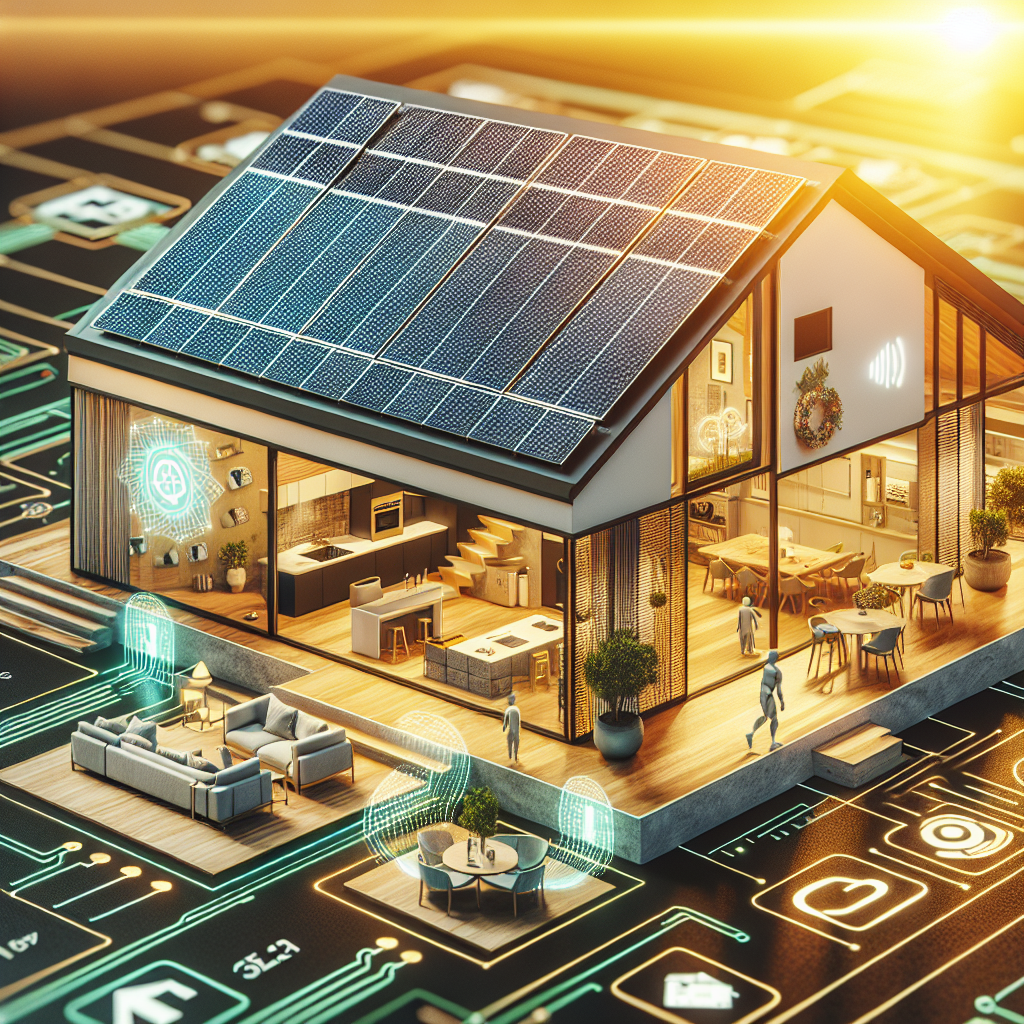
    Integrating this technology with solar power is where the magic really happens. By connecting your solar energy system with smart home devices, you not only optimize energy use but also gain real-time insights into your power consumption. It’s pretty empowering to see how much energy you’re using and how much you’re saving!

    Choosing the Right Solar Power System

    Types of Solar Panels

    Choosing the right type of solar panel is crucial for an effective setup. There are primarily three types: monocrystalline, polycrystalline, and thin-film. Each has its pros and cons. Personally, I’ve found that monocrystalline panels tend to be the most efficient and space-saving option if you have limited roof space. Yes, they might be pricier, but trust me, they’re worth it!

    On the flip side, polycrystalline panels are generally more affordable and can deliver good performance but may take up a bit more space. If you’re going for a budget setup and have space to spare, they might just do the trick. And then there are thin-film panels—while they’re quite flexible and lightweight, they usually have lower efficiency rates.

    Take your time to weigh your options, and maybe even chat with a professional. The goal is to find a solar panel that fits well with your lifestyle and home setup.

    Integrating with Smart Home Technologies

    Smart Energy Management

    Integrating your solar system with smart home technology is the next big step. The first thing you’ll likely want is a smart energy management system. These systems monitor and control your energy usage by adjusting your smart devices according to energy production and consumption. For example, a smart thermostat can learn your habits and optimize when to use energy based on when your solar panels are generating the most power.

    Some devices can even store excess energy generated by your solar panels for later use. Imagine not just saving energy but actually using stored energy during peak times when electricity prices are higher!

    Besides managing energy use, these systems can provide detailed reports, giving insights into your energy usage patterns. I love reviewing my monthly reports; it’s great seeing how much I’ve saved, and it motivates me to keep finding ways to be more energy-efficient!

    Ensuring Compatibility and Setup

    Choosing Compatible Devices

    Not all smart home devices are created equal, and it’s vital to ensure compatibility with your solar power system. When planning your setup, look for smart home systems that feature compatibility with renewable energy sources. Popular brands usually specify this, so it’s always worth checking!

    Another important aspect is to consider communication protocols. Many devices use Wi-Fi, but some might use Zigbee or Z-Wave, which can create gaps in connectivity if they aren’t compatible with your main system. Trust me, trying to troubleshoot issues because of compatibility is frustrating—and it just takes time away from enjoying your smart setup.

    Setting things up properly from the get-go ensures that you can enjoy a seamless experience. Once I got everything hooked up correctly, the satisfaction of seeing everything work together smoothly was so rewarding!

    Benefits of Combined Systems

    Cost Savings

    One of the main reasons I integrated my smart home with solar power was to save on costs. Solar energy offers a great way to reduce electricity bills, and coupling it with smart technology enhances those savings. Smart devices can adjust their operation based on energy availability. For example, running your dishwasher or washing machine during peak solar production means you’re using the most cost-effective power possible!

    Additionally, many electric companies offer incentives for homes that generate their own energy—when you add smart home tech into the mix, it can sometimes qualify you for even more savings. I couldn’t believe the rebates I was able to snag!

    Plus, let’s not forget about the potential property value increase! Energy-efficient homes are incredibly appealing to buyers. So, not only am I saving money every month, but I’m also potentially boosting my home’s value. Talk about a win-win!

    Frequently Asked Questions

    1. Can all homes benefit from solar power?

    Yes, most homes can benefit from solar power, but factors such as location, roof orientation, and shading should be considered. Consulting with a solar energy expert can help determine your home’s suitability.

    2. How do smart home technologies actually save energy?

    Smart home technologies can optimize energy usage by adjusting the operation times of appliances and lighting based on when solar energy is available, effectively lowering overall electricity consumption.

    3. Is the initial investment in solar and smart technology worth it?

    Absolutely! Although there’s an upfront cost, the long-term savings in energy bills and potential state or federal tax incentives certainly make it a worthwhile investment for many homeowners.

    4. How do I know if my smart devices are compatible with solar energy systems?

    Check the specifications provided by the device manufacturers. Look for energy management systems that specifically mention compatibility with solar power. A little research goes a long way!

    5. Are there maintenance requirements for solar and smart systems?

    Solar panels typically require minimal maintenance—just regular cleaning and occasional inspections. Smart home devices can sometimes need software updates or battery replacements, depending on the type you choose.

  • How Solar Energy Enhances Your Home Resale Value

    How Solar Energy Enhances Your Home Resale Value

    Understanding the Financial Benefits of Solar Energy

    Lower Energy Bills

    Let me tell you, one of the first things I noticed after installing solar panels was the drop in my energy bills. It felt almost magical to watch my monthly costs shrink. With solar energy, you’re essentially generating your own power, which can lead to significant savings over the long run. Buyers love to see those lower bills, and they often factor this into their offer price.

    Plus, different states offer variety of incentives, tax credits, and rebates that can make solar even more appealing. I remember looking into my local incentives and discovering I could save thousands—this is attractive for potential buyers who’ll be looking for ways to save money!

    All in all, when you think about it, lower energy bills equal more cash in your pocket, and that’s a huge selling point when you want to list your home. It’s a classic case of spending a little now to save a lot later, which every savvy home buyer appreciates.

    Increased Home Value

    It’s a no-brainer that homes with solar panels tend to sell for more. Some studies even show that homes equipped with solar energy systems can sell for about 4% more than those without. I once had my home appraised, and the appraiser gave extra weight to the solar panels when figuring out the final value. That was such a comforting thought!

    When people see solar panels, they often associate them with modernity and eco-friendliness. Buyers are increasingly looking for homes that not only meet their lifestyle needs but also reflect their commitment to the environment. I can’t say I blame them; making green choices feels good!

    Think of it this way: you’re not just installing solar panels; you’re making a long-term investment that others will appreciate just as much as you do. It’s a smart choice that adds tangible value to your property, and it stands out in what can sometimes be a saturated market.

    Banking on Incentives

    I can’t stress enough how much potential buyers love tax incentives associated with solar energy. Programs vary greatly depending on where you live, but many places offer federal, state, and even local incentives. When I started my solar journey, I was amazed at how many different ways I could benefit from these programs.

    These financial perks can significantly reduce the overall cost of the solar installation, which, in turn, makes your home more appealing. As potential buyers weigh their options, knowing they’ll save money through incentives adds yet another layer of attraction to your listing.

    In short, when you’re selling your home, highlighting these available incentives can be your golden ticket. It’s like saying, “Hey, not only do you get a fantastic home, but you also get to save some serious cash.” Who wouldn’t want that?

    Enhancing Curb Appeal with Solar Panels

    Modern Look

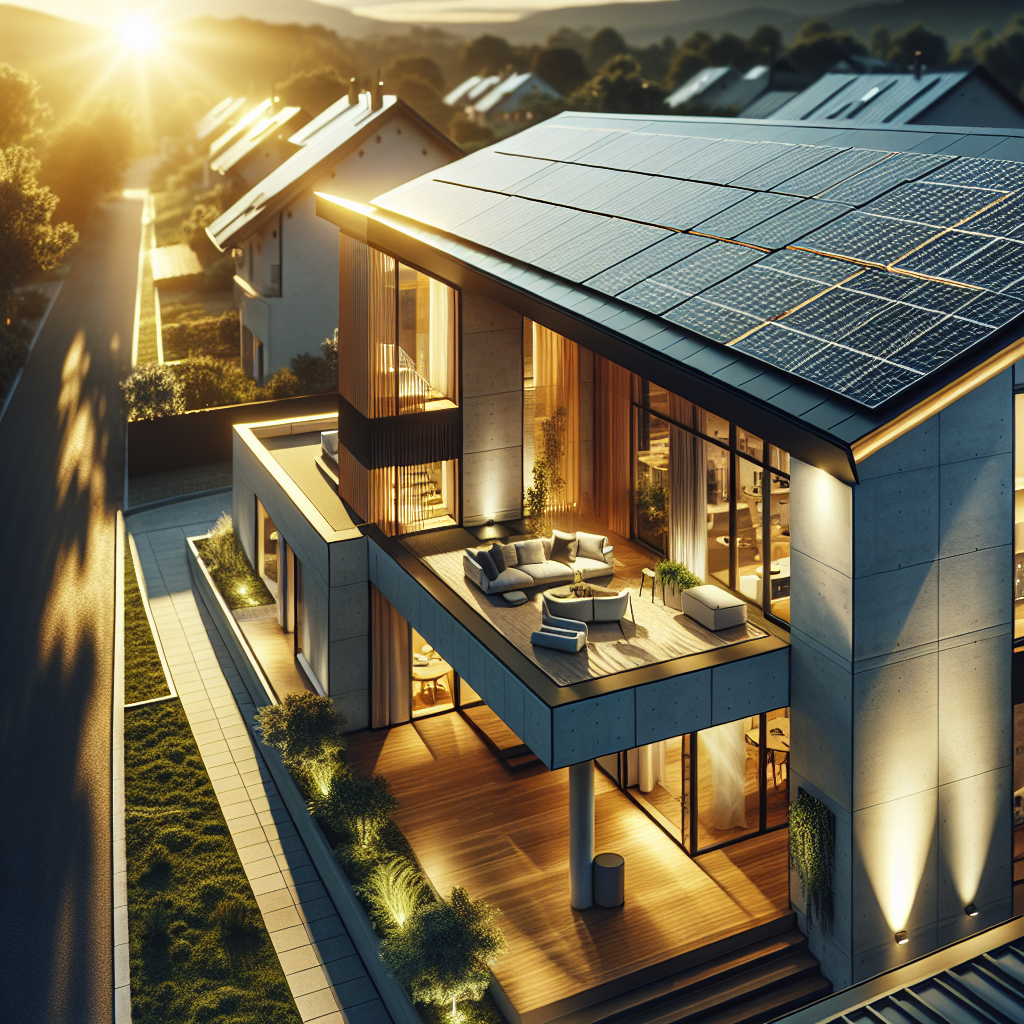
    Let’s face it, solar panels have come a long way in terms of aesthetics. When I first thought about solar energy, I pictured clunky equipment distracting from my beautiful home. But today’s solar panels are sleek and modern, enhancing rather than detracting from curb appeal. This pop of modernity is something buyers readily notice.

    Being in the home staging business, I can say that aesthetics matter! Buyers often drive by homes before scheduling appointments to view them; if they see an attractive property with solar panels, they’ll be intrigued. It’s not just about saving money; it’s about owning a stylish and contemporary home.

    Having these panels can also spur conversations about energy efficiency and innovation. Trust me when I say showing you’re eco-conscious is a trendy move in today’s real estate market. Plus, it allows you to stand out in an area where old-school homes might dominate the scene.

    Landscaping and Energy Efficiency

    One of the unexpected benefits of installing solar panels is how they tie into the overall landscaping of your property. I love the way my solar panels seamlessly blend with my roof and my yard. If you’re thoughtful about the installation, it can look quite polished and tidy—big win for curb appeal!

    Moreover, a well-thought-out landscape gives a purposeful look, showcasing that you’re utilizing not just solar energy but optimizing your outdoor space too. I even decided to add some native plants that require minimal water, sprinkling in that eco-friendly aesthetic. It all ties together beautifully!

    Buyers appreciate a home that’s been well cared for, both inside and outside. Enhancing your landscaping while going solar sends the message that your home has been loved. This makes it more inviting and definitely stands out amongst other listings.

    Community Appeal

    Finally, one thing I’ve noticed in my neighborhood is the way solar energy promotes camaraderie. A community with solar energy feels progressive and vibrant. You start seeing neighbors chatting more often about panels and energy efficiency, creating a shared sense of purpose.

    When potential buyers come to check out your home, they aren’t just envisioning the inside; they’re thinking about the community they’ll live in. With more solar panels popping up in your area, it gives a positive vibe that many people look for when relocating.

    Plus, neighborhoods known for eco-friendly practices often attract buyers looking to make similar lifestyle choices. This trending culture can be incredibly appealing when trying to sell your home. Knowing you’re part of something bigger adds to the allure of your property!

    Solar Energy’s Role in Sustainable Living

    Promoting Responsibility

    One thing I am really passionate about is how solar energy highlights the importance of taking responsibility for our environment. Buyers are becoming increasingly conscious of their carbon footprints, and showing you’ve made strides in sustainability can be a big selling point.

    In my experience, homes that promote sustainability often sell more quickly. People want to feel good about the choices they make. I remember chatting with a buyer who was thrilled about the solar installation specifically because it meant lower emissions and a smaller carbon footprint.

    It’s more than just the physical benefits of solar energy; it’s about the mindset that comes with adopting it. By choosing solar, you’re not just enhancing your home’s resale value; you’re advocating for a healthier planet, which resonates deeply with today’s buyers.

    Community Responsibility and Solar Initiatives

    Many neighborhoods are becoming involved in solar initiatives and rebates. This community involvement can drive up demand for homes equipped with solar energy systems. My local community actually held informational sessions celebrating solar energy, and it made the idea of buying a home with solar panels even more appealing.

    Homeowners can take part in local advocacy efforts and reap the benefits while fostering a sense of belonging in their neighborhood. I’ve seen others become environmental champions, showing off their solar panels like badges of honor. There’s something that feels empowering about taking a stand for sustainability.

    Consider this: people looking at your home want to see that you’re part of a community that cares about the planet. It creates the perception of a progressive and caring environment. That’s certainly something that catches a buyer’s eye!

    Eco-Conscious Movement

    The eco-conscious movement is thriving, and being part of it not only boosts your home’s value but also gives you a layered connection with potential buyers. They’ll see your investment in solar not just as panels on a roof, but as part of a larger lifestyle. I found that buyers appreciate the stories we all have to share about our journeys toward sustainability.

    There’s this growing trend of folks buying homes with a focus on their lifestyle choices. With solar energy, buyers are looking for properties that reflect their values— homes with rooftop solar systems represent commitment to eco-friendliness and modernity.

    Create the connection; emphasize how your home represents part of this wonderful movement toward green living. It’s not just a house; it’s a chance to engage in something larger, and that resonates powerfully with a new generation of buyers.

    Frequently Asked Questions

    1. Do solar panels really increase resale value?

    Absolutely! Studies have shown that homes with solar energy systems often sell for more than comparable homes without them. The financial benefits and eco-friendly appeal add considerable value.

    2. What are the financial incentives for installing solar panels?

    There are various incentives available depending on your location, including tax credits, rebates, and net metering options that can significantly reduce your installation costs.

    3. How do solar panels affect a home’s curb appeal?

    Modern solar panels have sleek designs that can enhance a home’s aesthetic. They add a contemporary touch, signaling to buyers that the home is energy-efficient and up-to-date.

    4. Will installing solar panels attract more buyers?

    Yes! More buyers are seeking properties that align with eco-conscious values. Highlighting solar energy systems in your listing can draw more interest from potential buyers.

    5. How can I best market my home’s solar features?

    Focus on both the financial savings and environmental benefits when marketing your home. Showcase available incentives and tell your story about choosing solar to resonate with buyers.

  • How to Choose the Best Solar Power System for Your Home

    How to Choose the Best Solar Power System for Your Home

    Understanding Your Energy Needs

    Assessing Your Current Energy Consumption

    First off, figuring out how much energy you use is crucial. Take a peek at your energy bills for the past year. It’s super helpful to look for patterns—like how your use spikes in the summer or winter. Jot it down. Understanding these peaks and troughs can help you figure out your average energy consumption, which is key for sizing your solar power system.

    Don’t forget to consider the main appliances in your home and how much energy they consume. You can usually find the wattage on the appliance itself or in the user manuals. Tools like energy monitors can give you a real-time look at what’s munching away at your power supply.

    Once you have this information, you can start to visualize what you’ll need in terms of solar output. Think about how much of your energy consumption you’d like to cover with solar; maybe you’re cool with going 50% green, or maybe you’re all-in for 100%. Whatever the case, make a plan!

    Evaluating Your Roof and Location

    Checking Roof Orientation and Sunlight Exposure

    Your roof plays a huge role here! Ideally, you want it to face south—this is where you get the most sun. If your roof is more east or west-facing, don’t sweat it, though. You can still make it work with a good system. It might just take a few extra panels or a slightly different arrangement.

    Next is sunlight exposure. Do any big trees or buildings cast shadows on your roof? It’s like having a pesky umbrella blocking your sunshine. If your roof gets shaded during peak sun hours, you might need to think about trimming some foliage or investing in a different placement for your panels.

    Lastly, the angle of your roof can affect solar efficiency. For those of us lucky enough to have a sloped roof, you’re in good shape! But if your roof is flat, you might need some mounts to angle the panels just right. The goal is to maximize exposure to those beautiful sun rays.

    Choosing the Right Solar Panel Technology

    Exploring Different Types of Solar Panels

    Okay, now we hit one of the most exciting parts—picking out the panels! There are generally three types to consider: monocrystalline, polycrystalline, and thin-film solar panels. Each has its perks and quirks. Monocrystalline panels are the most efficient, giving you more bang for your buck in terms of space. If you’ve got limited roof space, these are your best pals!

    Polycrystalline panels are usually a bit cheaper and slightly less efficient. If you’re on a budget and have plenty of roof space, they might be a solid option. Then we’ve got thin-film panels; they’re lightweight and flexible but often take up more space for the same energy output. Knowing your roof limits will help steer your choice.

    When you’re out shopping, definitely ask about the warranties! A good solar panel should generally come with at least 25 years of warranty, so you know it’s built to last. You want a solar investment that holds up over time because once you’ve gone green, sparking joy and energy savings is the goal!

    Assessing Installation Costs and Financing Options

    Understanding Solar Incentives and Rebates

    Let’s chat dollars and cents! We all know solar isn’t just a set-it-and-forget-it kind of deal. It’s important to understand the total installation cost upfront. Your local and federal government might offer some incentives or rebates, so be sure to do your homework. The federal solar tax credit, for example, allows you to deduct a chunk from your federal taxes.

    Also, look into state and local programs. Some areas offer cash rebates or even performance-based incentives. This can significantly lower that initial price tag, making it a lot more manageable. If you do your research, you might discover savings you didn’t know about!

    Financing is another option. Many companies offer flexible plans, including solar loans or leases. This way, you can pay as you go rather than dropping a huge sum all at once. Just make sure you understand all the terms, and find a plan that aligns with your budget and energy goals.

    Finding a Reputable Solar Installer

    Researching Potential Solar Companies

    Now, for the fun part—meeting your potential partners in solar! When looking for a reputable installer, don’t hesitate to ask for recommendations from friends or family. You trust their judgment, and word-of-mouth can often lead to discovering fantastic local companies you wouldn’t find on a large scale.

    Read online reviews and check out ratings on sites like the Better Business Bureau. Look for companies that have been around for a while—experience counts! Don’t forget to check their previous installations. A reputable installer will be proud to show off their past work and will even have customer testimonials to back it up.

    Lastly, ensure they’re properly licensed and insured. This isn’t just a box to tick; you definitely want protection in case something goes wrong during the install. A trustworthy solar company will be upfront about their credentials and ready to answer any questions you might have.

    FAQs

    1. How much can I save on my energy bills with solar power?

    Your savings can vary, but many homeowners report reductions of 50% or more on their energy bills after switching to solar. It really depends on your energy consumption and the size of your solar system.

    2. Is my roof suitable for solar panels?

    Most roofs can accommodate solar panels, but factors like orientation, angle, and shading will play a crucial role in how effective your system will be. A good installer can assess this during your consultation.

    3. How long does it take to install solar panels?

    Typically, the installation process takes about one to three days, depending on the size of your system and any complexities involved. But the entire project, from consultation to activation, can take a few weeks to a few months.

    4. What happens on cloudy days?

    Don’t worry! Solar panels still generate energy on cloudy days, although the output will be lower than on sunny days. If you live in a region with lots of overcast days, it’s smart to consider a system that can supplement your needs.

    5. Do I need to maintain my solar panels?

    Not a ton! Generally, solar panels require minimal maintenance. Just a periodic cleaning and inspection will keep them running smoothly, so you can enjoy those sunny benefits with ease!

  • The Ultimate Guide to Solar Panels for Home Use

    The Ultimate Guide to Solar Panels for Home Use

    Hey there! If you’re thinking about jumping on the solar panel bandwagon, you’re in the right place. I’m excited to share everything I’ve learned about solar energy for home use. It’s a fantastic way to save money, reduce your carbon footprint, and enjoy the sunshine—literally! Let’s dive into the key areas covering solar panels for your home.

    Understanding Solar Panel Basics

    What Are Solar Panels?

    So, first off, what are these magic boxes that catch sunlight and turn it into electricity? Solar panels are essentially made up of photovoltaic cells that convert sunlight into energy. They’re typically installed on rooftops, but you can also find ground-mounted options if you’ve got the space. These panels harness the sun’s rays during the day, so when the sun shines, they produce power for your home.

    During my early research, I was amazed at how these panels work. They don’t need direct sunlight to function; even on cloudy days, they can still generate some energy. But the efficiency really gets a boost on sunny days. It’s all about how well those cells absorb solar radiation!

    There are different types of solar panels—monocrystalline, polycrystalline, and thin-film, to name a few. Each has its pros and cons, which can influence your choice based on your roof size, budget, and energy needs. The best part? Once installed, they require minimal maintenance!

    How Do Solar Panels Work?

    The process of converting sunlight to electricity is kinda like magic, but it’s all science! When sunlight hits the solar cells, it creates an electrical current through the photovoltaic effect. It’s fascinating to think about how that translates into power for my home.

    Have you ever wondered where that energy goes? Well, when the panels generate electricity, it flows through a system of wires to an inverter, which then converts it from direct current (DC) to alternating current (AC), the kind of electricity our homes use. Pretty neat, right?

    Plus, if your system produces more energy than you need, that surplus often gets sent back to the grid, which can earn you credits with your utility company. It’s like you’ve got your own mini power plant on your roof!

    Benefits of Solar Energy

    Now, let’s talk about why you’d want to invest in solar panels. The biggest draw for most people is the potential for savings on energy bills. After the initial setup, solar energy can drastically reduce or even eliminate your monthly electric costs—who doesn’t want that?

    Environmentally speaking, using solar energy is a game-changer. You’re reducing reliance on fossil fuels and decreasing greenhouse gas emissions, helping to combat climate change. Plus, government incentives and rebates can make it even more affordable.

    Finally, solar panels can increase your home’s value. Homebuyers are often attracted to properties with solar features because they see the long-term energy savings as a big plus. It’s a win-win situation!

    Choosing the Right Solar Panel System

    Evaluating Your Energy Needs

    Before you can choose the right system, you’ve got to know what you’re working with. Start by analyzing your energy consumption. Look at your past utility bills for a clear picture of how much energy you typically use in a month.

    Once you have your average, consider factors that might change your usage, like adding new appliances or if you plan to get an electric vehicle. This step is crucial because you want a solar system that meets or exceeds your current and future needs—don’t get stuck with an undersized system!

    I’ve learned that understanding your solar potential can also depend on your location and roof orientation. A quick web search can give you some local data and factors that affect production, like shade from trees or buildings.

    Types of Solar Panel Systems

    When it comes to solar panel setups, you’ve got a few options. The most common ones are grid-tied systems, which stay connected to the local utility grid. This setup allows you to draw power when needed and send excess energy back during sunny days.

    If you’re looking for a more independent solution, consider an off-grid system that relies solely on solar and battery storage. These are particularly great if you live in remote areas, but they can be pricier due to the need for batteries.

    Then there’s the hybrid system, which combines both. This gives you the flexibility to use grid power when necessary while still benefiting from solar. I found it helpful to consult with a professional installer to determine the best option tailored to my needs.

    Finding a Trusted Installer

    Picking the right installer is key to a successful system. After all, you wouldn’t want some shady character (pun intended!) putting up solar panels on your roof. Start by researching local solar companies and reading reviews. Ask around in your community—sometimes the best recommendations come from friends or family.

    Once you’ve narrowed it down, seek quotes from several contractors, and don’t shy away from asking questions. A good installer should be able to walk you through their process, explain your options, and help you understand financing details.

    Additionally, check if the installer is certified and has experience with the types of panels you’re interested in. I found out that some companies offer warranties on both products and installation, which can give you peace of mind for the long run!

    Installing Your Solar Panel System

    The Installation Process

    Okay, so you’re ready to install! The process may vary based on your home and system type, but generally, it starts with an assessment. An installer will inspect your roof to ensure it can support the solar panels.

    Next comes the permitting phase, and trust me, this part can be a bit of a waiting game. Depending on your location, obtaining permits can take a few weeks. But don’t worry; once everything’s approved, the exciting part begins: installation!

    The day of installation typically involves a team of professionals showing up bright and early. They’ll mount the panels, connect the wires, and set up the inverter. It usually takes a day or two, and it’s so rewarding to see the project come to life on your roof!

    Connecting to the Grid

    Once the panels are installed, it’s time to connect to the grid. In most cases, your installer will handle this step for you, but it’s important to understand the process. Your system needs to meet specific standards to ensure safety and efficiency.

    The utility company will typically send an inspector to evaluate your setup and ensure everything is up to code. Once you get the green light, you’re officially connected! You’ll be able to monitor your energy production and usage through a solar app or your utility’s online portal.

    After being hooked up, there may be a bit of a learning curve as you adjust to your new energy source. I remember checking my monitoring app constantly, marveling at how much energy we were producing!

    Maintaining Your Solar Panels

    After your system is up and running, maintenance is relatively low-key. One of the most critical tasks is keeping the panels clean. While rain can help, dust, leaves, and bird droppings can reduce efficiency, so occasional cleaning is a good idea.

    You’ll also want to keep an eye on your energy production. It’s smart to periodically compare your actual output to the estimated production provided at installation. If you notice a significant drop, it might be worth calling the installer for a check-up.

    Lastly, keep up with inspections every few years and about any warranties or service offerings your installer provides. Staying proactive will help you enjoy the benefits of solar energy for years to come!

    Financing and Incentives

    Understanding Costs

    This can be a hefty investment upfront, so let’s talk numbers. The cost varies significantly based on your location, the size of your home, and the solar panel type. On average, residential solar installations can run anywhere from $15,000 to $30,000 before any incentives.

    Many people think, “Yikes! That’s a lot!” but consider that these systems can often pay themselves off within 5 to 15 years, depending on energy usage and local electricity rates. The savings you pocket after that is what gets me excited about solar!

    It’s also smart to break down the components of the overall cost, like solar panels, inverters, installation, and any monitoring systems. Each plays a role in ensuring you get the most bang for your buck.

    Tax Credits and Incentives

    Now, let’s chat about saving some cash through tax credits. The Federal Investment Tax Credit (ITC) allows you to deduct a percentage of your solar installation from your federal taxes. As of now, that figure stands at 30%. That’s free money, folks!

    Many states and local governments also offer incentives, rebates, or even low-interest loans to help homeowners invest in solar energy. It’s worth it to look into what’s available in your area. I recommend checking out your state’s energy department website and local utility for their offerings.

    There are also solar leasing or power purchase agreements if you prefer a less expensive route upfront. With these models, you can go solar with little to no money down while just paying for the electricity produced. However, keep in mind that these arrangements won’t build equity like ownership does!

    Financing Options

    Financing solar installation has become easier over the years. Traditional bank loans, specific solar loans, or even home equity lines of credit are options to help you cover the costs. Just be sure to shop around for the best rates.

    I found that some solar companies offer their financing plans, giving you competitive interest rates and flexible payment options. Just make sure to read the fine print and understand the terms. It’s always better to be informed than stuck in a deal that doesn’t suit your needs!

    Ultimately, the goal is making solar energy accessible to everyone. Whether through incentives or financing, there are multiple ways to make this sustainable investment work for you!

    FAQs

    1. How much do solar panels cost to install?

    The cost of solar panel installation varies based on several factors, including your location, the size of your home, and the type of system you want. On average, you can expect to pay between $15,000 and $30,000 before incentives.

    2. How long do solar panels last?

    Most solar panels have a lifespan of 25 to 30 years. Many manufacturers offer warranties that guarantee the panels will produce a certain level of electricity during that period.

    3. Can solar panels work in cloudy weather?

    Yes! Solar panels can still generate electricity on cloudy days, although their efficiency is reduced. They work best in direct sunlight but can still produce energy in less-than-ideal conditions.

    4. What happens to solar panels during a power outage?

    If you have a grid-tied system without battery storage, your solar panels will shut down during an outage for safety reasons. However, with a battery storage system, you can still use the energy stored in your batteries during an outage.

    5. Are there any tax credits available for solar panel installations?

    Yes! The Federal Investment Tax Credit (ITC) allows you to deduct 30% of your solar installation costs from your federal tax return. Additionally, many states and local governments offer incentives and rebates as well.

  • The Top Solar Inverters for Efficient Home Energy Use

    The Top Solar Inverters for Efficient Home Energy Use

    Understanding Solar Inverters

    What is a Solar Inverter?

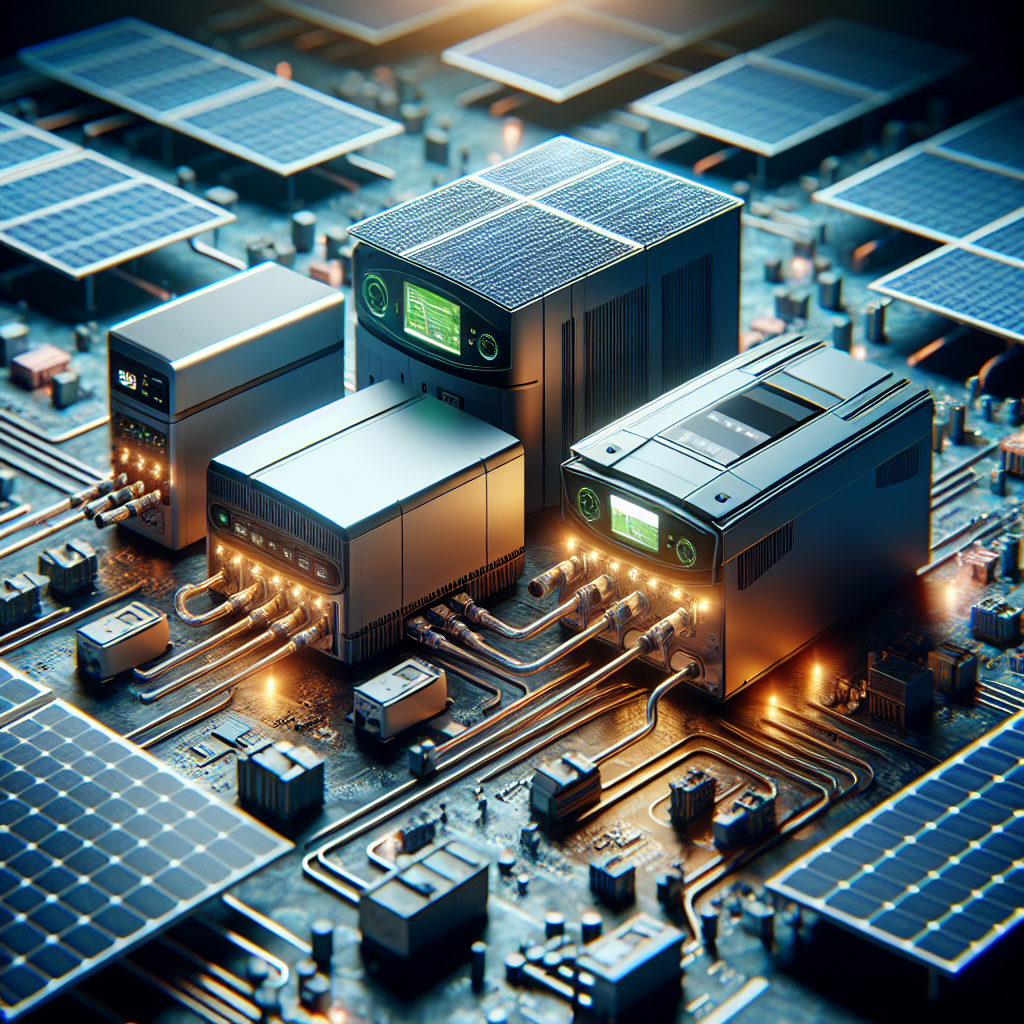
    So, let’s kick things off by talking about what a solar inverter actually is. In the simplest terms, a solar inverter is a device that converts the direct current (DC) electricity generated by your solar panels into alternating current (AC) electricity, which is what most home appliances use. This conversion is crucial because without it, your solar energy wouldn’t be usable in your home.

    From my own experience, choosing the right inverter can feel a bit overwhelming with all the different options out there. It’s kinda like trying to pick the best coffee in a coffee shop with dozens of blends. They all look great, but you need to find what suits your needs the best!

    But there’s more to it than just conversion. A good inverter can also monitor your system performance, providing insights on energy production and consumption. That means you’ll have a better grasp on how much energy you’re actually using, which can help you save on your bills!

    Types of Solar Inverters

    String Inverters

    First up, we have string inverters. These are the most common type and they work by connecting multiple solar panels together into a single string. This setup is simple and cost-effective, and honestly, it’s how I started my solar journey. They are also easy to install, which is a major plus if you’re looking to save some cash on labor costs.

    However, one downfall I’ve noticed with string inverters is that if one panel is shaded or dirty, it affects the entire string’s performance. It’s like a team where one player slacks off, and the whole game suffers. So if you have a lot of shading on your property, you might want to think twice about this option.

    But on the bright side, they generally come with a good warranty and can be quite reliable for years, so keep that in mind if this is the route you’re going down!

    Microinverters

    Next up are microinverters. These are like the cool kids on the block—instead of one inverter handling multiple panels, each panel has its own little inverter! I was fascinated when I first learned about these because of how they optimize output; they allow each panel to work independently.

    This means that shading on one panel won’t drag down the performance of the whole system. If you live in an area with a lot of shading or have an irregular roof shape, microinverters could be the way to go! However, they do tend to cost more upfront, so it’s a bit of a trade-off.

    One of the things I love about microinverters is their monitoring capabilities. You can see how each panel is doing individually. It’s like being a coach who gets to see each player’s stats during a game, which is pretty cool and useful!

    Power Optimizers

    Then, we’ve got power optimizers, which are somewhat of a hybrid between string inverters and microinverters. Power optimizers sit at each panel but feed into a central inverter. This means you get some of the benefits of microinverters, like increased efficiency when there’s shading, all while keeping the central inverter approach. This was something I found appealing during my research.

    The beauty of these devices is they optimize the energy coming from each panel, which increases overall performance without the higher cost of microinverters. If you’re aiming for efficiency but don’t want the extra expense, I’d definitely recommend looking into these bad boys.

    Plus, they’re usually easy to install, so you won’t need to spend forever trying to figure it out. And let’s be real, who has time for that? Overall, power optimizers are a solid option if you’re looking for a middle ground.

    Efficiency Ratings

    Understanding Efficiency Ratings

    Next up is efficiency ratings. When I first dove into the solar world, I learned that not all inverters are created equal, and that’s where efficiency ratings come into play. Essentially, these ratings tell you how much of the solar energy hitting your panels is being converted into usable electricity.

    Most high-quality inverters boast efficiency ratings above 95%. This means they’re converting most of the energy they receive into power you can use in your home. It’s a pretty big deal because higher efficiency means lower energy bills in the long run!

    Always check these ratings. Higher efficiency often equates to a better inverter, which can save you a lot more in the future. I’ve seen too many people getting sidetracked by flashiness, so focus on those numbers—it really matters!

    The Importance of Warranty

    Another thing you definitely want to look at is the warranty. In my experience, the best inverters will offer warranties ranging from 5 to 25 years. A longer warranty can provide peace of mind because it shows the manufacturer has faith in their product, and they’ll cover you in case anything goes wrong.

    Some might offer extensive service, which means if your inverter has issues, they’ll help you fix it without a headache. A short warranty can mean that the manufacturer isn’t as confident in their product, which might be a red flag.

    Trust me, you don’t want to skimp out here. You’ll be spending a decent chunk of cash on your solar setup, so aim for reliability, folks!

    Compatibility with Solar Systems

    Lastly, it’s essential to ensure that your chosen inverter is compatible with your solar panel system. When I first started out, I experienced a bit of a hiccup in finding an inverter that matched my panel specifications. Each inverter has its own specs, so it’s crucial that yours lines up with your solar installation.

    Finding a compatible system can sometimes feel like finding a needle in a haystack. I recommend consulting the installation professional to double-check that everything fits snugly together. The right combination will make operating your system a breeze!

    Once you have that compatibility sorted, you’ll be cruising toward energy efficiency and savings in no time. It’s like having your dream team all on the same page. Trust me; you want that!

    Conclusion: Making the Right Choice

    In wrapping things up, choosing the right solar inverter isn’t as daunting as it may seem once you break it down. Whether you’re leaning towards string inverters for their simplicity, microinverters for added efficiency, or power optimizers for their middle-ground benefits, just remember to consider those efficiency ratings and warranty lengths!

    The whole process can seem overwhelming, but with a little homework and by keeping your needs in mind, you’re sure to land on the inverter that suits you best. After all, solar energy isn’t just about saving the planet; it’s also about saving your hard-earned cash!

    So, roll up your sleeves, do your research, and get ready to enjoy the many benefits that come with solar energy. Your future self will be thanking you for the energy savings and the positive impact on the world!

    Frequently Asked Questions

    1. What is the main function of a solar inverter?

    The main function of a solar inverter is to convert the direct current (DC) electricity produced by solar panels into alternating current (AC) electricity that can be used by home appliances.

    2. Are microinverters worth the extra cost?

    Yes, if you have a property with shading issues or various roof orientations, microinverters can provide greater efficiency by allowing each panel to operate independently.

    3. How can I check an inverter’s efficiency rating?

    You can find an inverter’s efficiency rating on the manufacturer’s website or in the product specifications before purchasing. Look for ratings above 95% for optimal performance.

    4. Why is warranty important for solar inverters?

    A longer warranty period indicates manufacturer confidence and provides protection for your investment. It helps ensure that you’re covered in case any issues arise with the inverter.

    5. How do I ensure inverter compatibility with my solar panels?

    To ensure compatibility, check the technical specifications of both the inverter and solar panels. Consulting with a professional installer can also help confirm that everything aligns properly.

  • How Solar Roof Tiles Are Revolutionizing Home Design

    How Solar Roof Tiles Are Revolutionizing Home Design

    Energy Efficiency Meets Aesthetic Appeal

    Transforming Traditional Roofs

    Have you ever looked at a standard roof and thought about how dull it seems? I mean, roofs are usually just there, right? But with solar roof tiles, we’re bringing a whole new perspective to home design. These beauties not only provide energy but also make your home stylish. I remember the first time I saw a house with these tiles; it looked like something straight out of a magazine!

    Each tile is crafted to blend seamlessly with your home’s design. Unlike traditional solar panels, which can often feel bulky, solar roof tiles fit right into your roofline. You get that clean, modern vibe while generating energy. It’s a win-win for aesthetics and functionality!

    Plus, think about curb appeal! Homeowners often overlook roofs in their home designs. With these tiles, you can actually enhance your home’s overall look, and trust me, potential buyers will notice. Who wouldn’t love to see a home that balances both beauty and efficiency?

    Cost-Effective Long-Term Solutions

    Initial Investment vs. Savings

    Now, let’s be real for a minute. The initial cost of solar roof tiles can seem a bit intimidating. I felt that way at first too. But when you dig into the long-term savings, it starts to make much more sense! Sure, you might drop a chunk of change upfront, but you’ll save on your energy bills each month.

    Life with solar roof tiles tends to be full of surprises; most homeowners end up saving money on electricity over the years. If you do the math, those savings add up quickly! And with tax rebates in many areas, your investment becomes more affordable than you might think.

    Plus, consider how resilient these roof tiles are! They often come with extensive warranties and are built to withstand the elements better than traditional roofs. So, in the long run, you might even save on maintenance costs. Sounds pretty good, right?

    Environmental Impact and Sustainability

    Reducing Your Carbon Footprint

    Another reason I’m a huge fan of solar roof tiles is their positive impact on the environment. In today’s world, sustainability is key. By using solar energy, you’re reducing your reliance on fossil fuels, which is critical for combatting climate change. Every little bit helps, and switching to solar roof tiles can be your personal contribution to a healthier planet!

    There’s something truly rewarding about knowing you’re doing your part. The energy generated from these tiles is clean and renewable, and every watt counts! It gives off this fantastic sense of responsibility, and honestly, it feels good.

    Additionally, many manufacturers are taking extra steps to use eco-friendly materials in their tiles. This means your roof isn’t just energy-efficient; it’s also made from sustainable materials. How awesome is that? You can feel good about your home’s design being kind to Mother Earth!

    Innovative Technology at Your Fingertips

    The Latest in Solar Innovations

    Let’s talk about technology! Solar roof tiles are some of the coolest innovations out there. They’re not just energy sources; they also come equipped with smart technology. That means you can monitor your energy usage right from your smartphone. How convenient is that? I love being able to check in on my energy production without even getting up!

    Many of these systems can also connect with other smart home devices. Imagine your HVAC adjusting based on the energy you’re generating—talk about futuristic living! Plus, with innovations like battery storage, you can save up energy produced during the day to use when the sun goes down.

    These advancements can feel like an investment into the future. When I think about the possibilities, I can only get excited about what’s next! Integrating this kind of technology makes your home not just smarter but also more comfortable, cozy, and ultimately livable.

    Increasing Home Value

    The Financial Benefits of Going Solar

    Lastly, let’s chat about increasing your home’s value. Homes with solar energy systems are becoming increasingly sought after. When I was looking to buy my first home, I definitely factored in energy savings into my budget. Homes with solar roof tiles often sell for higher prices and have shorter time on the market than those without.

    This increase in value can often make a huge difference in your real estate investment. It’s a bit of a no-brainer if you ask me! Potential buyers see the long-term benefits of solar energy and are willing to pay more for those perks.

    If you’re considering flipping houses or investing in property, think about how solar roof tiles can make your property stand out. It’s like giving your home that secret ingredient that suddenly makes it irresistible to buyers!

    FAQs

    1. What are solar roof tiles?

    Solar roof tiles are innovative roofing materials that serve dual purposes: they protect your home and generate solar power. They blend seamlessly with your roof’s design while capturing sunlight to create energy for your home.

    2. How much do solar roof tiles cost?

    The cost can vary significantly based on factors such as the size of your roof, the brand of tiles, and your location. Generally, the upfront investment can be high, but the energy savings add up over time, making them a cost-effective solution in the long run.

    3. Do solar roof tiles require a lot of maintenance?

    Nope! Solar roof tiles are built to last and typically require minimal maintenance. Regular cleaning to remove debris and an occasional inspection are usually enough to keep them functioning well.

    4. Can I install solar roof tiles on my existing roof?

    Yes, in many cases, solar roof tiles can be installed on existing roofs. However, it’s essential to have a qualified contractor evaluate your home to ensure it can support the new tiles without any issues.

    5. How much energy can solar roof tiles generate?

    The energy generated depends on the size of your roof, the orientation toward the sun, and local climate conditions. In many cases, they can cover a significant portion of a household’s energy needs, especially with optimal positioning!

  • The Environmental Benefits of Solar Generators for Home Use

    The Environmental Benefits of Solar Generators for Home Use

    When I first heard about solar generators, I was curious but also skeptical. I had always associated solar energy with big, bulky panels and complicated setups. But after diving into the subject, I realized just how beneficial these devices can be. So, let’s break down the environmental benefits of solar generators for home use into some key areas that I found really enlightening.

    Reduction of Carbon Footprint

    One of the first things that grabbed my attention was how solar generators can significantly reduce our carbon footprint. It’s almost like a no-brainer; using renewable energy means relying less on fossil fuels.

    Cleaner Energy Source

    The primary advantage of solar power is that it’s clean. Unlike traditional generators that run on gasoline or diesel, solar generators harness sunlight to produce energy. This means you’re not pumping carbon emissions into the atmosphere every time you need power.

    Moreover, the lifecycle of solar technology produces far fewer emissions compared to conventional electricity sources. I’ve seen firsthand how switching to solar can reduce pollution levels, sometimes even in densely populated areas.

    When you power your home with solar energy, you’re actively participating in the fight against climate change—something we can all get on board with, right?

    Longevity of Resources

    Another factor is the longevity of the solar energy resources themselves. The sun is not going anywhere—it’s a renewable energy source that’s going to be around for billions of years. By utilizing solar generators, we reduce our dependence on depleting fossil fuels.

    I often think back to my days before solar; it felt like we were racing against the clock to make the most of our resources. Switching to solar has drastically changed that perspective. I feel good knowing that we’re leaving something for future generations.

    By investing in solar technology, we’re making a decision that is both environmentally sound and sustainable. It’s a win-win!

    Promoting Biodiversity

    Using solar generators can also help promote biodiversity. Dirty energy sources often lead to environmental degradation, which negatively impacts wildlife and their habitats.

    When clean energy alternatives take over, we see a reduction in habitat destruction. My local area has noticed an increase in wildlife populations since more people are making the switch to clean energy.

    We have a responsibility to maintain natural habitats for future generations. By choosing solar, we help foster a healthier ecosystem in our backyards and beyond.

    Less Noise Pollution

    Noise pollution is something we tend to overlook when we think about environmental impacts. But believe me, it’s worth talking about!

    Quiet Operation

    Solar generators operate almost silently, unlike their gasoline counterparts. I remember the days when my neighbors would fire up their noisy gasoline generators for backup, and you’d hear the roar from blocks away.

    Now, with a solar generator, everything is peaceful and quiet. I can enjoy a calm day in my garden without the background noise of an engine rumbling.

    This not only makes for a more enjoyable home environment but also contributes to the tranquility of the surrounding area. Less noise means a more pleasant atmosphere for both humans and wildlife.

    Reduction in Stress and Anxiety

    Believe it or not, noise can increase stress levels in our daily lives. A quieter environment helps reduce anxiety, and switching to a solar generator has done wonders for my peace of mind.

    Having a serene home environment is essential for well-being. Since adopting solar, I can focus more on my hobbies and spend quality time with loved ones without the stress of noise blaring from a generator.

    It’s one of those unexpected benefits I never thought about until I lived it. Quietly powering my home feels refreshing!

    Community Impact

    Not only does reduced noise benefit individual households, but it also plays a role in community living. A quieter neighborhood creates a better quality of life for everyone. I’ve noticed how neighbors have been responding positively to the shift toward cleaner energy.

    It encourages conversations around sustainability and well-being, fostering a sense of community that I really appreciate.

    More people are inclined to consider going solar when they see or hear about its benefits in real life, creating a ripple effect that continues to promote renewable energy use.

    Long-Term Financial Savings

    Switching to solar generators might feel like a hefty investment upfront, but trust me, the long-term savings are undeniable.

    Reduced Energy Bills

    Once I made the switch, my energy bills decreased dramatically. I couldn’t believe how much cash I was saving, not to mention the lower utility bills that came with using solar energy.

    Many solar generators can be set up to run your entire home, helping to eliminate the need for traditional energy sources and even allowing for net metering opportunities where you can sell energy back to the grid!

    The feeling of saving money while contributing to environmental health is empowering. It’s like hitting two birds with one stone.

    Tax Incentives and Rebates

    In addition to saving on monthly bills, many places offer tax incentives and rebates for installing solar systems. I’ve taken advantage of these programs firsthand, and it’s a great way to offset the initial costs.

    It’s comforting to know that our government encourages this kind of responsible energy use. I suggest checking what’s available in your area—it could really lighten the financial load.

    This isn’t just about saving a few bucks; it’s about investing in a more sustainable future!

    Increased Home Value

    Lastly, installing a solar generator can increase the resale value of your home. Many homebuyers are looking for eco-friendly options, and having solar in place can make your property more attractive.

    I’ve seen homes in my neighborhood get snapped up quicker simply because they had solar energy systems in place. It’s reassuring to know that my environmental choices also pay off in the long run.

    Investing in solar doesn’t just enhance my current lifestyle; it’s a smart move for the future. I love knowing that my home is equipped with reliable, eco-friendly energy.

    Contribution to Energy Independence

    Energy independence is something I hold near and dear to my heart, and it’s another fantastic benefit of using solar generators.

    Less Reliance on Fossil Fuels

    Every time we choose solar, we lessen our dependence on fossil fuels. It’s like the more we embrace solar, the more we secure a healthier energy future.

    This shift is crucial, especially as global energy consumption continues to rise. By adopting solar generators, we’re directly contributing to a systemic change towards renewable energy sources.

    It gives me comfort to think that each kilowatt produced by a solar generator is one less unit of traditional energy being consumed.

    Resilience During Power Outages

    One of the most significant perks of solar generators is their ability to keep your home running during power outages. I can recall some crazy storms that left me in the dark for days.

    Having a solar generator means I’m not thrown into chaos when the grid goes down. It makes my home resilient and prepared for whatever nature throws our way.

    This reliability is why many people are taking steps towards energy independence. It revs up the notion of self-sufficiency, and that’s what excites me.

    Encouraging Innovations in Renewable Energy

    Finally, by using solar generators, we send a message to businesses and innovators: we want more renewable solutions! It’s like forming a community of like-minded individuals pushing for a better future.

    My enthusiasm for solar energy inspires me to support ongoing innovations. It’s fascinating to see how rapidly this technology is evolving. We are a part of cultivating a brighter, more sustainable landscape.

    Knowing that I contribute to this movement is incredibly fulfilling.

    Frequently Asked Questions

    1. What are the environmental benefits of solar generators?

    Solar generators help reduce carbon footprints, minimize noise pollution, and promote increase energy independence, among other benefits. They use renewable energy sources rather than fossil fuels, leading to cleaner air and water.

    2. Do solar generators really save money on energy bills?

    Yes! Solar generators reduce or even eliminate monthly energy costs, and you might even earn money through net metering. Plus, there are often tax credits and rebates available for homeowners.

    3. Can I use a solar generator during power outages?

    Absolutely! One of the key benefits of solar generators is their ability to provide power during outages, ensuring that you maintain a reliable energy source when you need it most.

    4. Are solar generators noisy?

    Nope! A significant advantage of solar generators is their nearly silent operation, unlike traditional gasoline generators. This makes for a peaceful home environment.

    5. How do solar generators contribute to community sustainability?

    By reducing reliance on fossil fuels and decreasing carbon emissions, communities that transition to solar generators can enjoy improved air quality and promote a more sustainable future together.

  • The Ultimate Checklist for Setting Up Solar Power at Home

    The Ultimate Checklist for Setting Up Solar Power at Home

    Assess Your Energy Needs

    Understanding Your Electricity Consumption

    Before diving headfirst into the solar energy pool, it’s crucial to get a grip on your energy consumption. Take a good look at your electric bills; they’ll show you how much power your household uses. Look at the averages over the past few months, factoring in seasonal changes that might affect your usage. This step will give you a strong baseline.

    Next, think about appliances you use regularly. Consider both significant energy eaters like refrigerators and HVAC systems, and the smaller gadgets like chargers and light bulbs. It’s astonishing how much juice those little things can consume if you don’t keep an eye on them. Plugging them into an energy meter can provide more insight into their power consumption.

    Finally, project any future changes—for example, if you’re planning to upgrade to energy-intensive appliances or even adding a new family member. Knowing your current needs helps you understand how much solar power you need to generate for optimal efficiency.

    Calculating Your Solar Needs

    Once you’re aware of your energy consumption, calculating solar needs comes next. A solar energy calculator can be a handy tool here. These calculators generally require your average monthly consumption and some basic info about your location. The results can guide you on the system size you’ll need.

    Don’t stop there; consider the potential for peak usage times. For instance, if most of your energy use happens during the day while the sun’s shining, you might benefit more from a larger solar setup. It’s all about aligning solar generation with usage.

    Finally, consult with a professional installer. They’ll provide insights tailored to your unique situation and location, often using advanced tools and knowledge of local regulations to help you pinpoint your exact needs.

    Evaluating Your Home’s Suitability

    Your home’s environment can basically make or break your solar adventure. Start by inspecting your roof. Is it facing the right direction? South-facing roofs tend to get the most sun exposure, but east and west can be decent too. You want minimal shading from the surrounding trees or buildings; those shadows can hugely impact your solar production.

    Next, think about the structural integrity. Older roofs might need repairs or even a replacement before you add solar panels. It’s a drag to put all that money into solar, only to have to tear it down later for repairs!

    Finally, take into account the local climate. If you live in an area prone to cloudy days or heavy snowfall, it may impact the overall efficiency of your solar system. Look for options that focus on all-weather performance, and consult local experts who understand your climate’s specific challenges.

    Choose the Right Solar System

    Types of Solar Systems

    Once you’ve assessed your energy needs and home suitability, it’s time to pick out your solar system type. The three main options include grid-tied, off-grid, and hybrid systems. Grid-tied systems are the most common and are connected to the utility grid. They’re often the most affordable and provide benefits like net metering.

    If you’re feeling adventurous, there’s the off-grid system. It’s perfect if you want to be independent and not reliant on utility companies, but it can be pricier due to battery storage needs. And let’s not forget the hybrid system, which combines the best of both worlds, allowing for battery storage while also connecting to the grid.

    Take some time to think about your lifestyle and budget. For most people, a grid-tied system is the way to go, but if you live in a remote area or want total freedom from the grid, maybe consider going fully off-grid.

    Evaluating Financial Options

    Now comes the fun part—figuring out how to pay for this all! There are several financing options available. You could outright purchase a solar system, but that’s a significant upfront investment. Many folks explore loans or even leases, which can help spread out the costs over time.

    Don’t forget about incentives! Check for local and federal tax credits that can save you loads of cash. Many areas offer rebates and grants for solar installation, which can significantly reduce your initial outlay. It never hurts to do a little digging online.

    And, of course, think about the long-term savings on your energy bill. While solar systems can be pricey up front, over time, the reduction in monthly bills often pays for itself and then some.

    Choosing a Qualified Installer

    Selecting the right installer is crucial. Start with research and get referrals from friends or online communities. Look for professionals with positive reviews and a solid reputation in the solar industry. It’s not just about cost but also quality and experience.

    Check their certifications and licenses. Make sure they are accredited by organizations like the North American Board of Certified Energy Practitioners (NABCEP). This is a big deal in ensuring your installer knows their stuff.

    Finally, get multiple quotes. This doesn’t just help you compare costs; it also helps you understand what’s included in each proposal. Be sure to ask about warranties and maintenance services too; you want someone who’s going to be there for you long-term.

    Prepare for Installation

    Getting Your Home Ready

    Once you’ve selected a system and an installer, it’s time to prepare your home. First off, ensure your roof is cleared of any debris and accessible for the crew. A clean workspace ensures that installation runs smoothly without unnecessary delays.

    Next, coordinate with your installer about how the installation will go down. You may need to be available for questions or approvals during the process. Understanding the timeline helps you manage your schedule—no one likes surprises, right?

    Also, inform your neighbors about the installation. A little heads-up goes a long way and keeps the peace, especially if heavy equipment is involved. Everyone appreciates knowing what’s happening around them!

    Post-Installation Inspection

    After installation, conduct a thorough walk-through with the installer. Ensure everything is up to your standards and ask any lingering questions. Don’t hold back; you’re investing a lot of cash here, and it should match your expectations.

    Check that all paperwork, including warranties and any maintenance agreements, is in place. These documents are crucial for future reference and might come in handy if any hiccups arise down the line.

    Take some time to learn how to use the monitoring system that comes with your solar setup. Many systems provide mobile apps that let you track usage and efficiency right from your phone. It’s a great way to stay connected to your new eco-friendly home setup!

    Ongoing Maintenance and Support

    Your solar system is now up and running, but don’t just forget about it! Regular maintenance helps to ensure that it’s performing at its peak efficiency. Cleaning debris off the panels and checking for shading issues or other potential obstructions will go a long way.

    Stay connected with your installer for periodic check-ups. They can provide advice on how to keep your system in tip-top shape and alert you to any adjustments or upgrades that might be beneficial down the road.

    Lastly, keep an eye on your energy production. If you notice any significant drops in efficiency, don’t hesitate to reach out for help. Early detection can often resolve issues without much fuss, ensuring you get the most out of your solar system!

    FAQ

    1. How do I know if solar power is right for my home?

    Assess your energy consumption, evaluate your roof’s suitability, and consider local regulations. If your home receives good sunlight exposure and you want to save on energy costs, solar might be a great option!

    2. What are the main types of solar systems available?

    The main types are grid-tied, off-grid, and hybrid systems. Each has its perks and is suitable for different needs, so weigh your options based on your lifestyle and energy goals.

    3. Are there financing options available for solar systems?

    Yes, there are various financing options, including outright purchasing, loans, and leases. Additionally, look for tax credits and rebates that can help lower your overall costs.

    4. What should I look for in a solar installer?

    Search for a qualified installer with solid experience and good reviews. Make sure they’re licensed and certified, and don’t hesitate to get multiple quotes to compare services.

    5. What maintenance does a solar system require?

    Regular cleaning and checks for obstructions are essential. It’s also wise to schedule periodic inspections with your installer to ensure everything is functioning correctly.